Oil rises, gold heads for biggest weekly loss in six weeks

Oil prices rose in early trading today (Friday), driven by escalating military confrontation between the United States and Iran, and growing fears of disruption to energy supplies through the Strait of Hormuz and Bab el-Mandeb, while gold headed for its biggest weekly loss in six weeks amid mounting inflationary pressures and rising expectations that US interest rates will remain high.
The precious metal lost about 3.2% since the start of the week.
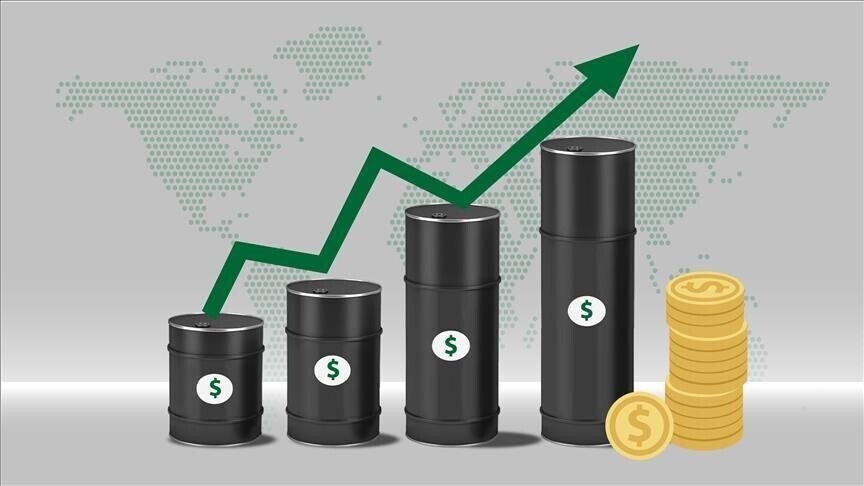
Brent crude futures rose $1.05, or 1.25%, to $85.28 a barrel, while US West Texas Intermediate crude rose $1.03, or 1.3%, to $79.98 a barrel, as both benchmarks recouped losses from the previous session.
Brent is on track for weekly gains of nearly 12% for the third consecutive week, while US crude is set for its second straight weekly gain, amid ongoing concerns about oil supply security.
The gains came after US airstrikes on targets inside Iran continued for the sixth consecutive night, and Tehran responded by launching missiles and drones targeting military bases in the region, while sources told Reuters that Iran asked the Houthi group to prepare to close the Bab el-Mandeb strait if Iranian energy facilities came under attack, heightening fears of disruption to oil exports.
The Executive Director of the International Energy Agency, Fatih Birol, affirmed that oil supply security remains a major concern, warning that continued tensions in the coming weeks could increase pressure on global energy markets.
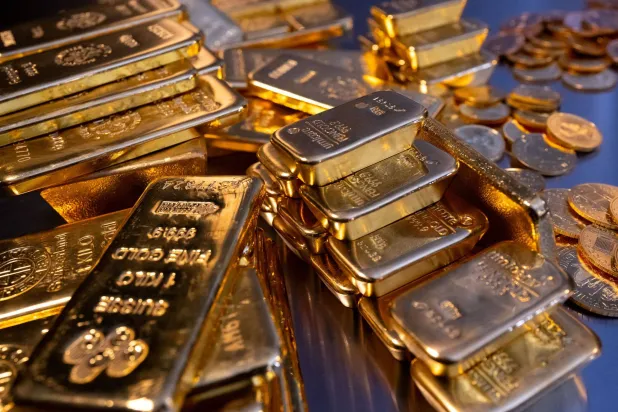
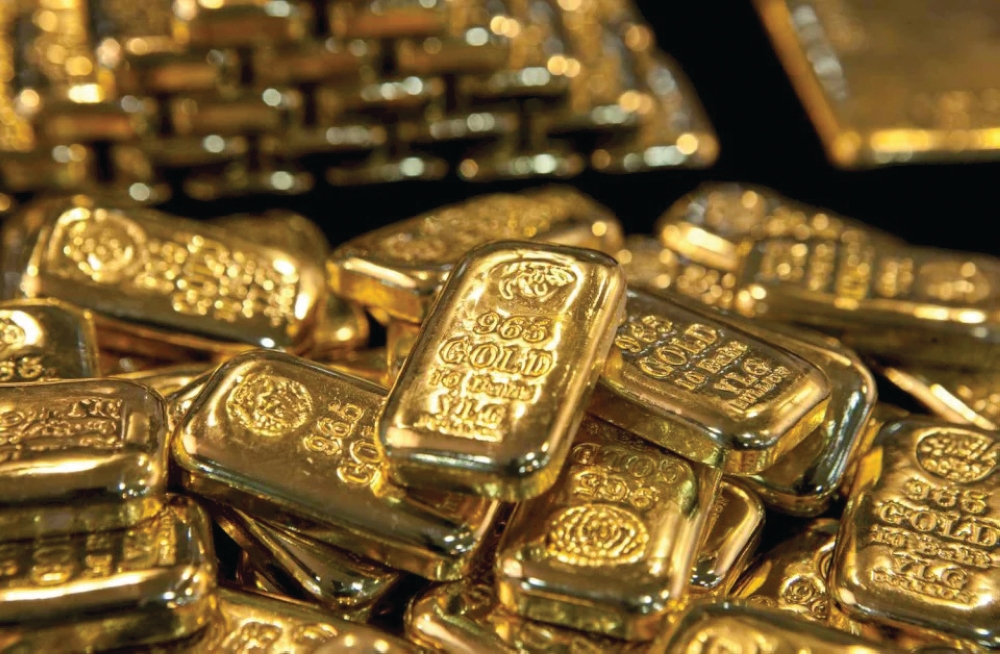
In contrast, gold headed for its biggest weekly loss since the start of June, despite rising 0.5% in spot trading to $3,988.20 an ounce, while US August futures contracts settled at $3,992 an ounce.
The precious metal lost about 3.2% since the start of the week, as the impact of rising oil prices and fears of a return of inflationary pressures overshadowed the support gold received from US inflation data, which came in below expectations.
Tim Waterer, chief market analyst at KCM Trade, said that rising oil prices limited gold's benefit from positive inflation data, pointing out that geopolitical risks in the Middle East, along with inflation concerns and rising bond yields, remain the main factors pressuring the yellow metal.
Original source: Akhbaar24



Comments (0)
Be the first to comment.