OPEC+ Approves 188,000 Barrel Per Day Increase in Oil Production Quotas for August
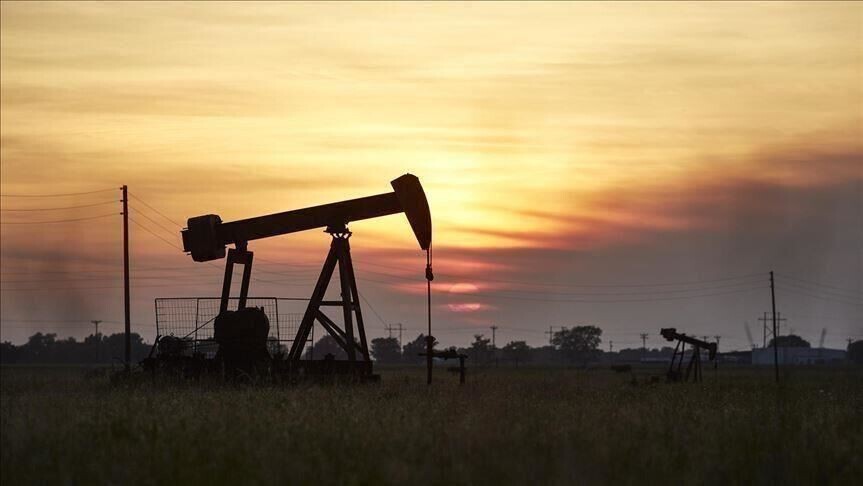
Following a virtual meeting of the seven participating countries in the OPEC+ group.
Algiers/ Abbas Mimouni/ Anadolu
The OPEC+ group of oil-exporting countries announced Sunday an increase in production quotas by 188,000 barrels per day for the upcoming August.
The group stated in a statement on its website that 'Saudi Arabia, Russia, Iraq, Kuwait, Kazakhstan, Algeria, and Oman decided to adjust production and commit to stabilizing the oil market.'
The statement explained that the seven countries 'met virtually on July 5 (today) to review global market conditions and forecasts.'
It continued: 'They decided, within the framework of their commitment to supporting the stability of the oil market, to implement a production adjustment of 188,000 barrels per day, from the total amounts of additional voluntary adjustments announced in April 2023, and this adjustment will be applied during August 2026.'
The statement indicated that the participating countries retain the ability to reapply the additional voluntary adjustments, in whole or in part, and gradually, according to developments in market conditions.
The organization affirmed that the seven countries will continue to monitor and assess the market continuously, while maintaining a cautious and flexible approach that allows for increasing, suspending, or reversing gradual increases if market conditions require.
OPEC also stressed the commitment of the seven countries to achieve full compliance with the Declaration of Cooperation and to compensate for any production volumes exceeding agreed levels.
According to the statement, the seven countries will continue to hold monthly meetings to review market conditions, compliance levels, and compensation mechanisms, with the next meeting to be held on August 2.
The seven countries in OPEC+ hold monthly meetings to review market conditions, having previously approved similar increases for June and July 2026.
According to observers, the alliance's new decision to increase production will pump more supplies into the global market, at a time when Gulf oil exports have begun a gradual recovery via the Strait of Hormuz, without reaching pre-war levels.
Official data from OPEC shows the alliance's production declined to 33.13 million barrels per day in May, compared to 42.77 million barrels per day in February, before production began to recover in June with improved export movement, coinciding with the Washington-Tehran agreement to end the war.
On April 28, the UAE decided to withdraw from OPEC and the OPEC+ alliance effective May 1, ending nearly 59 years of membership in OPEC and about 10 years of commitment to the OPEC+ alliance.
Following the UAE decision, OPEC+ countries decided to support oil market stability by increasing production by about 188,000 barrels per day starting June.
Original source: Anadolu Agency

Comments (0)
Be the first to comment.