Russia's Diesel Export Ban Deepens Global Supply Crisis
Listen to the article: audio automatically generated by an automated system
0:00
Two-minute read
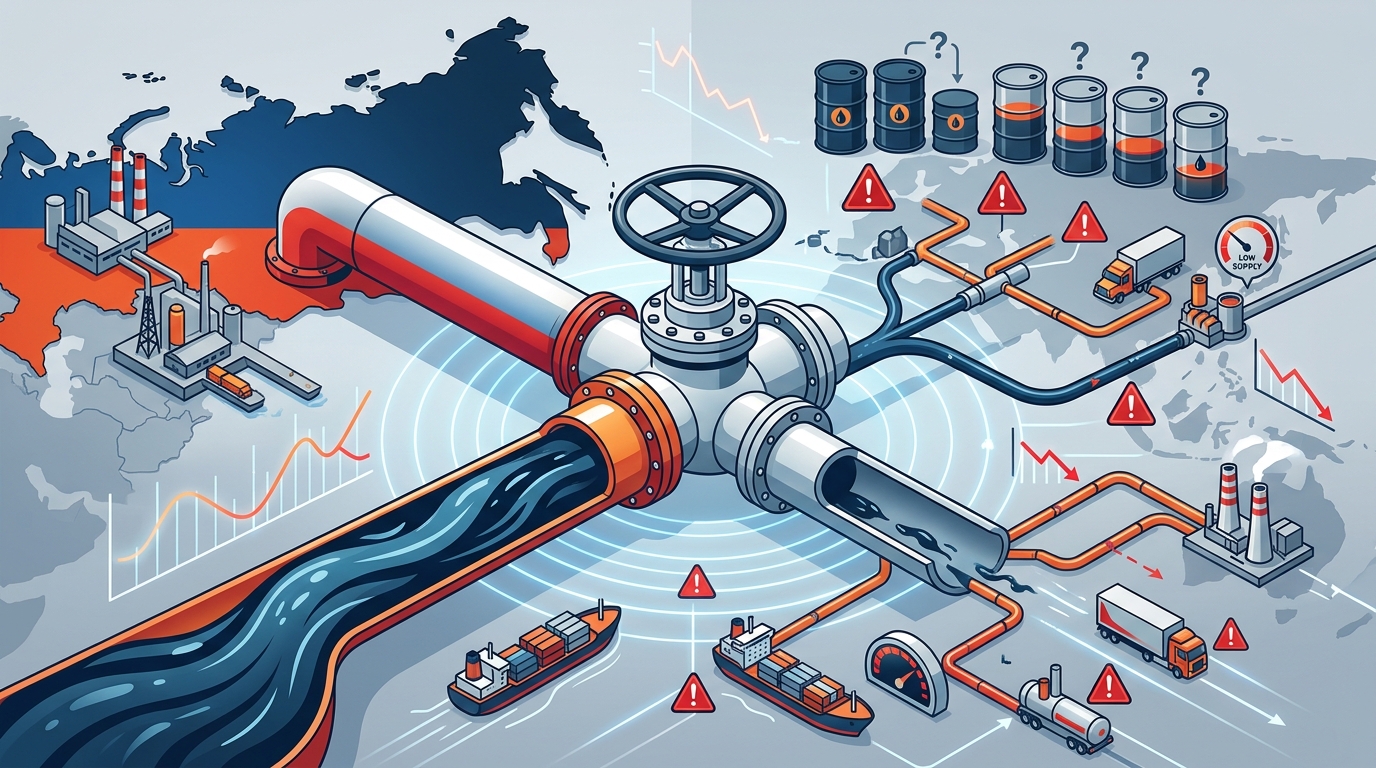
Russia's decision last week to ban diesel exports has disrupted global energy markets, exacerbating shortages of this industrial fuel and driving prices sharply higher even in countries that no longer import diesel from Moscow.
Diesel accounts for the largest share of global oil consumption, and its price increases affect the global economy due to its wide range of uses, from industrial equipment and agricultural machinery to heavy transport and electricity generation.
Supplies have been under pressure for years due to strong demand after the coronavirus pandemic and production cuts accompanying the closure of several refineries in Western countries, according to Reuters.
The Iran war has intensified the market pressures.
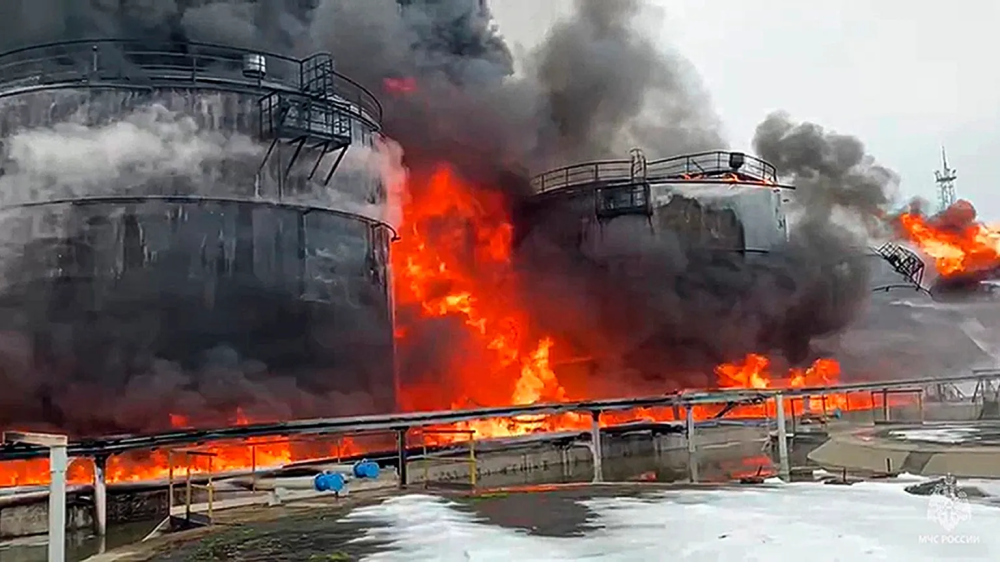
Russia is the world's second-largest diesel exporter after the United States, so any disruption at its refineries can significantly impact global fuel supplies. Exports had already been declining before the ban due to domestic shortages caused by Ukrainian drone attacks.
Kpler data showed that average diesel and gasoil shipments from Russia reached 234,000 barrels per day in the period from July 1 to 10, compared with 400,000 bpd in June and an average of about 817,000 bpd in 2025.
Pressures on diesel supplies increased following a new wave of US attacks on Iran, which came just hours after Russia announced the export ban on Wednesday, renewing concerns about ship movements through the Strait of Hormuz and the impact of tensions there on Middle East exports.
US government data on Wednesday showed diesel inventories fell by more than 4.5 million barrels the previous week to 97.8 million barrels as of July 3, a level about 6% below the five-year average.
Tom Kloza, an advisor at Gulf Oil, said in a note to clients on Thursday, 'Developments in the Gulf, along with the halt in Russian exports and the striking report from the US Energy Information Administration, have prompted refined product sellers to hold back offerings.'
The United States and Europe no longer import fuel from Russia due to its invasion of Ukraine, but Moscow's export ban nonetheless drove up diesel prices in both regions, reflecting the globally interconnected nature of oil markets.
Ad
Ad
Read also
Novak: Russia bans diesel exports to boost domestic supplies will start fuel imports this month after refineries damaged Oil
Chinese oil refineries get permits to export gasoline, diesel and jet fuel in broad easing of restrictions imposed during Iran war Oil
Putin confirms possibility of full ban on Russian diesel exports reduces mandatory gasoline sales quotas on exchange from 15% to 10% Oil
Original source: Al Arabiya




Comments (0)
Be the first to comment.