SanDisk plans to produce 512TB SSDs priced at $300,000

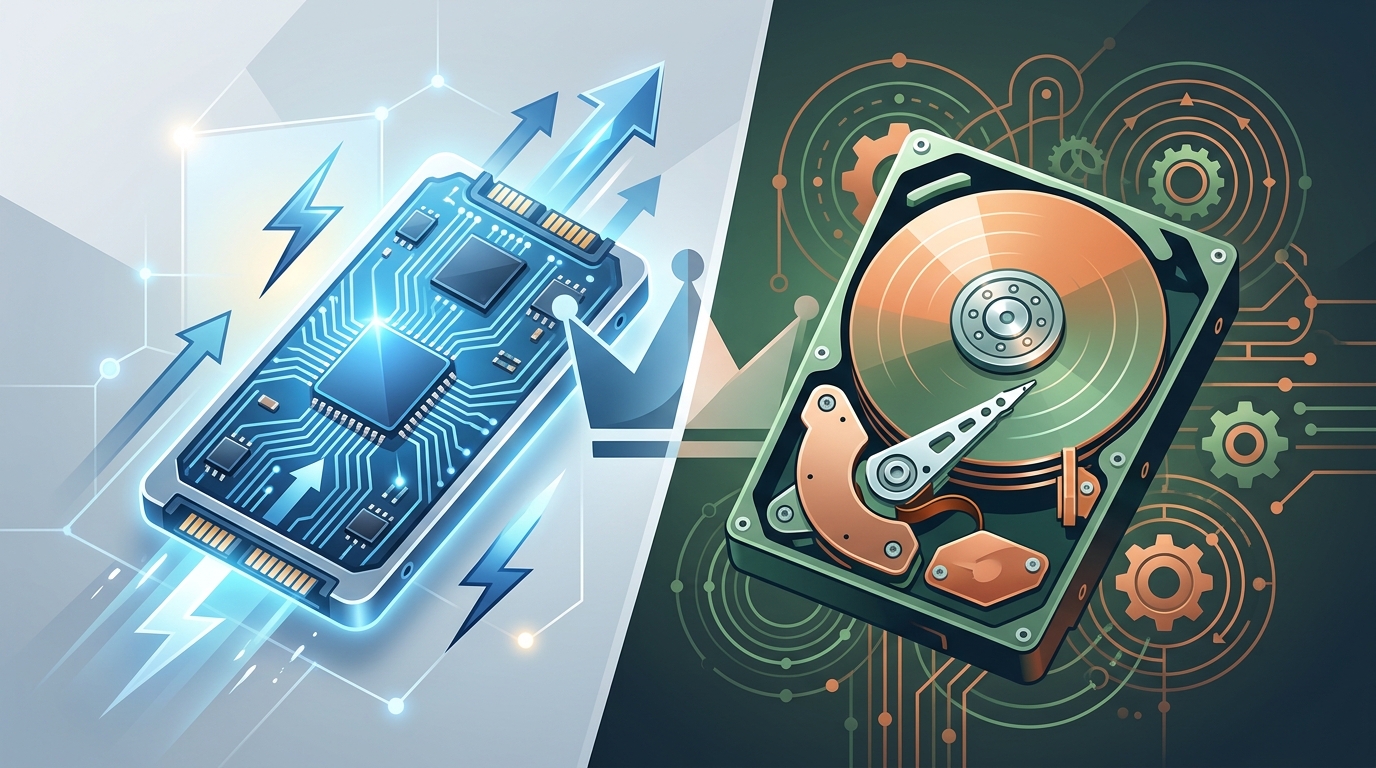
American company Sandisk announced it has started testing samples of BiCS10 memory chips, the tenth generation of 3D NAND technology developed in collaboration with Japan's Kioxia, a step that paves the way for launching 512-terabyte SSD storage drives by 2027.
These developments come at a time when demand for high-capacity storage solutions is growing rapidly due to the expansion of data centers and artificial intelligence applications.
In a statement, the company said the new chip is capable of storing a larger amount of data in a smaller space compared to previous generations, as it relies on a design consisting of 332 layers of memory cells stacked on top of each other, explaining that this technology makes the chip among the most dense in the storage industry currently.
The company added that the BiCS10 chip provides an approximately 59% increase in storage density compared to the previous BiCS8 generation, meaning it is possible to produce storage units with larger capacities without increasing their size.
The company equipped the chip with new technologies that increase data transfer speed to 4.8 gigabits per second, a 33% increase over the previous generation, enabling faster performance when reading and writing data.
SanDisk's SSD drives for AI data centers - SanDisk
Sandisk also enhanced energy efficiency in the new chip, reducing power consumption by 10% during write operations and 34% during read operations, contributing to lower operating costs for data centers.
SanDisk plans to leverage this technology to launch SSD drives for data centers with massive capacities in the coming years.
The company had revealed a roadmap that includes launching 256TB drives during the current year, before moving to produce 512TB storage units in 2027.
The company hinted at the possibility of developing storage drives with a capacity of up to one petabyte (1PB), but did not specify a clear timeline for launching this product.
Sandisk believes that QLC technology will dominate high-capacity storage products by 2028, further boosting the leap in storage capacities.
Instead of increasing storage capacity within each memory cell, an approach that could affect memory lifespan and reliability, SanDisk and Kioxia focus on enhancing density by increasing the number of layers and improving the design of cells and electronic circuits.
Although access to 512TB SSDs has become closer than ever, the cost will be extremely high in the initial stages.
Current prices for ultra-high-capacity data center drives indicate the expected expenditure. For example, Solidigm D5-P5336 storage units with 122.88TB capacity are sold at prices ranging from approximately $49,000 to $64,000, depending on the configuration used.
Based on the current storage cost per terabyte, analysts predict that the prices of 512TB drives will exceed $300,000 when they are commercially launched in 2027.
Race to produce storage units
The competition is not limited to SanDisk and Kioxia alone; companies such as Samsung, Micron, and Solidigm are also working on developing new generations of ultra-high-capacity storage units.
Samsung has revealed plans to launch 256TB SSDs during 2026, paving the way for PCIe 6.0 storage units with approximately 512TB capacity by 2027.
Meanwhile, the NAND memory market is experiencing increasing supply pressures, with expectations of contract prices rising by 70% to 75% during 2026, driven by growing demand from AI companies and data center operators.
While the testing phase of the BiCS10 chip represents an important technical step, achieving mass production of 512TB drives still requires several years of development and manufacturing before becoming widely available commercially.
This step is a qualitative leap in the storage industry, positioning Sandisk in a leading position ahead of competitors such as Samsung and Micron. Moreover, the focus on increasing layers rather than improving individual cell density may extend product lifespan and enhance reliability, which is particularly important for data center operators. The question remains as to how well the company can adhere to the announced timeline amid production and cost challenges.
Original source: Asharq News



Comments (0)
Be the first to comment.