The Magic of the Magnificent Seven Fades
For years, investors have been used to a near-constant rule in the U.S. market: when the Magnificent Seven stocks rose, Wall Street gained; when they faltered, the entire market declined. But 2026 has turned this equation on its head. Has the magic of the big tech companies faded? How did this decoupling happen? - For the first time in years, the shares of Nvidia, Microsoft, Meta, Apple, Alphabet, Tesla, and Amazon no longer lead the market. While the S&P 500 has risen about 10% since the start of 2026, the price of the Roundhill Magnificent Seven ETF (MAGS) has fallen by 1%. How much have the giants lost? - witnessed…
The Magic of the Magnificent Seven Fades
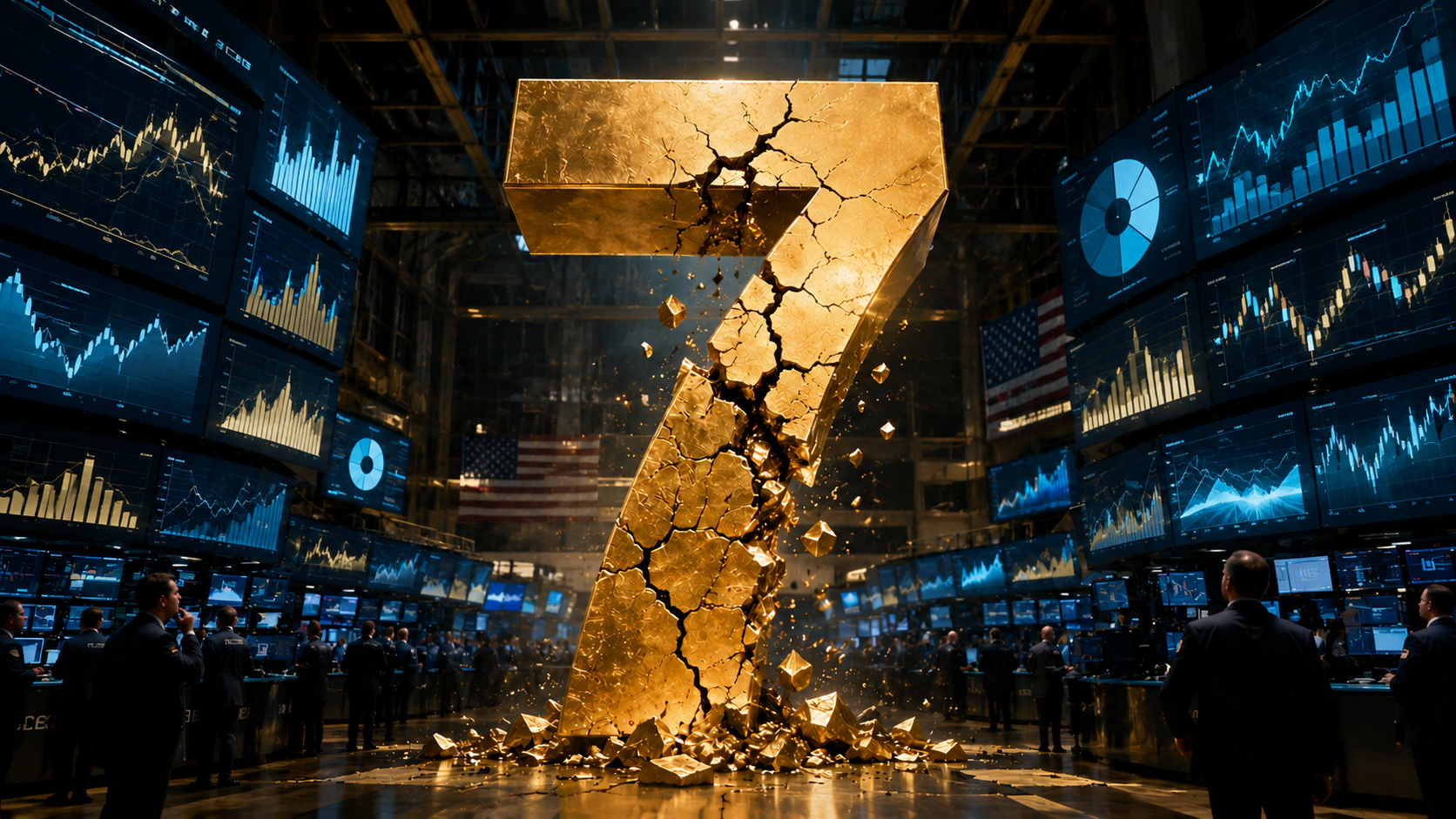
For years, investors accustomed themselves to a near-constant rule in the U.S. market: when the Magnificent Seven stocks rose, Wall Street achieved gains; when they stumbled, the entire market declined. But 2026 has turned this equation around. Has the magic of the big tech companies faded?
How did this decoupling happen?
- For the first time in years, the shares of Nvidia, Microsoft, Meta, Apple, Alphabet, Tesla, and Amazon no longer lead the market. While the S&P 500 has risen about 10% since the start of 2026, the price of the Roundhill Magnificent Seven ETF (MAGS) has fallen by 1%.
How much have the giants lost?
- In June alone, a broad sell-off erased about $2.3 trillion from the combined market value of the seven major companies, with Microsoft suffering the largest losses, its value declining by 20% over the past month.
Why this decline?
- Investors fear the massive spending by big tech companies on AI-related infrastructure, with Amazon, Microsoft, Alphabet, and Meta planning to spend $700 billion during 2026.
Loss of the Core Advantage
- Tom Lee, head of research at Fundstrat Global Advisors, believes that investors are reassessing the Magnificent Seven companies after their business models changed, shifting from companies relying on strong technological assets that generate huge returns and cash flows to capital-intensive companies.
Where is the return?
- Investors are no longer satisfied with AI expansion plans; they are now demanding evidence that these investments can generate tangible profits in the near future, prompting markets to trim valuations of the Magnificent Seven stocks until clear returns from these expenditures emerge.
Performance of the Magnificent Seven Stocks in 2026
Stock
Price
(Dollar)
Performance Since Start of 2026 (%)
Performance Since Last Record High (%)
Microsoft
388.8
(21.0)
(30.0)
Meta Platforms
615.5
(8.75)
(22.6)
Tesla
402.9
(12.7)
(19.2)
Amazon
245.9
+4.50
(11.7)
Nvidia
196.9
+6.40
(16.7)
Alphabet
367.0
+15.5
(10.1)
Apple
310.6
+13.6
(2.1)
*As of the close of Tuesday, July 7.
Where did the money go?
- Liquidity did not leave the technology sector; instead, it moved to the ring most benefiting from the AI boom, as shares of memory and storage chip companies achieved record gains this year, thanks to strong demand for their products from data centers.
How is this?
- Investors withdrew about $786 million from the Roundhill Magnificent Seven ETF in June, the largest withdrawals ever, while the Roundhill Memory ETF attracted inflows of $9.3 billion.
What was the result?
- This led to a sharp rise in chip company shares this year, with the Philadelphia Semiconductor Index jumping about 72% since the start of 2026, and the price of the iShares Semiconductor ETF increasing by 82%.
Has the magic ended?
- Lisa Shalett, chief investment officer of wealth management at Morgan Stanley, believes that the Magnificent Seven stocks still hold investment opportunities, especially as she is convinced that chip and memory stocks have reached a stage of overbought after their strong rally this year.
Who is leading the market?
- It seems that Wall Street leadership is no longer exclusive to big tech stocks, as the circle of beneficiaries from the AI boom has widened to include chip, memory, and infrastructure companies. However, the Magnificent Seven's ability to regain their leading role will depend on proving that their massive investments will turn into profits, not just growth promises.
Sources: Argaam – CNBC – Bloomberg – Wall Street Journal – Euro News – Yahoo Finance – Quartz
Important Information
{{displayname}}
{{profession}}
{{followercount}}
{{aboutme}}
Original source: Argaam




Comments (0)
Be the first to comment.