Sterling Stable Despite Inflation Drop as Rate Hike Bets Continue
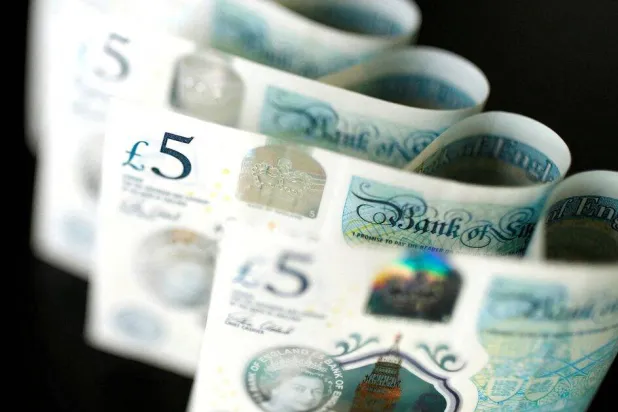
Sterling stabilized against the dollar on Wednesday, as a slowdown in UK inflation did not significantly change market expectations for the interest rate path in the coming period, while geopolitical concerns supported oil prices.
The pound traded at $1.3373, after declining over the previous four sessions, and fell 0.2 percent against the euro, but remained on track for monthly gains of nearly 1 percent, according to Reuters.
Britain's annual inflation rate slowed more than expected last month to 2.6 percent, the lowest since March 2025, driven by lower fuel prices after a temporary easing of tensions related to the Iranian conflict. However, this decline is likely to provide temporary relief for the new British government in its efforts to ease the cost-of-living burden.
Nick Rees, head of macroeconomics research at Monex Europe, said the inflation data was largely in line with market expectations, adding that the slight decline compared to Bank of England forecasts was not surprising and therefore had little impact on sterling movements.
Interest rate expectations did not change significantly after the data release, as money markets indicate that investors expect the Bank of England to keep rates unchanged at its next meeting. Markets also price in a rate hike of 25 basis points by December, with a probability of nearly 56 percent for an additional similar increase.
Britain's new finance minister, John Healey, welcomed the inflation data but stressed that the government needs to continue its efforts to support households, after earlier this week announcing tax cuts on energy bills and reducing the cap on bus ticket prices.
In contrast, crude oil prices rose more than 4 percent to their highest in about six weeks, amid escalating concerns about supply disruptions in the Middle East, following renewed tensions between the United States and Iran and threats from Iran-backed Houthi group to maritime navigation in Yemen.
Sterling is among the best-performing G20 currencies this year, despite Britain's reliance on energy imports. It has fallen about 0.8 percent against the dollar since the start of 2026, but outperformed other currencies such as the Japanese yen, which fell about 4 percent, and the Swedish krona, which declined about 5 percent.
Analysts at Bank of America's global research division said in a note: 'The risk premium associated with sterling is rising, and with the geopolitical situation remaining fragile, we believe the sterling/dollar pair could move towards the $1.32 level.'
Original source: Asharq Al-Awsat





Comments (0)
Be the first to comment.