The 8 Arab National Teams: Economic and Technical Assessment in the 2026 World Cup

By: Mahmoud Louta
After the conclusion of the participation of all Arab national teams in the 2026 World Cup, the Arab performance can be divided into 3 main categories: the first achieved an achievement exceeding expectations, the second delivered a good performance with some notes, while the third category ended with results below the potential that was expected.
Based on the tournament results, the strength of opponents, number of points, qualification to knockout rounds, and technical value, the Arab national teams can be ranked as follows: Morocco reached the quarter-finals, the best stage, and comes at the top of the participating Arab teams; second, Egypt reached the round of 16; Algeria reached the round of 32; while Saudi Arabia, Iraq, Jordan, Qatar, and Tunisia exited from the group stage.
First: Morocco... A football project continues to make history
The Moroccan national team remains the most stable model in Arab and African football.
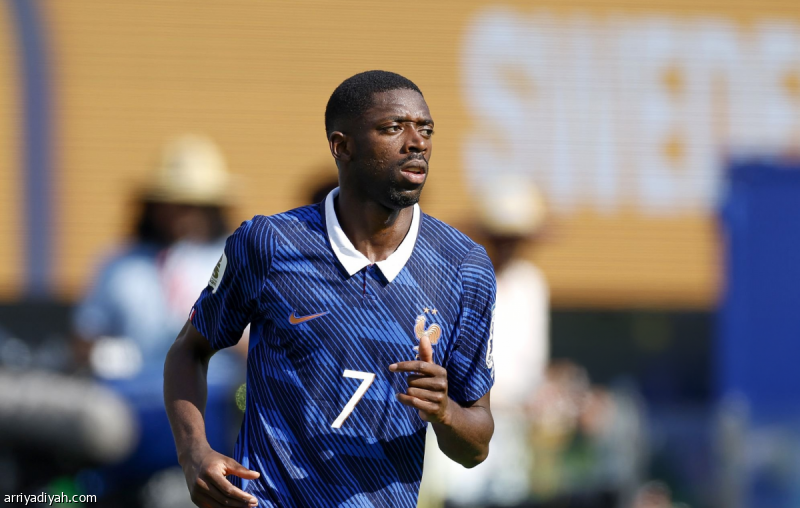
After achieving fourth place in the 2022 Qatar World Cup, the 'Atlas Lions' returned to confirm that achievement was no exception, by reaching the World Cup quarter-finals for the second consecutive time, before exiting the tournament against France. Among the most notable gains: first, the best Arab achievement in the tournament. Second, the best defensive organization among Arab teams. Third, the continued strong presence of players in European leagues. Fourth, an additional increase in the market value of several players. Fifth, enhancing the attractiveness of Moroccan football for sports investments. According to FIFA's assessment: technical: 9.5 out of 10, economic: 10 out of 10.
Second: Egypt... A strong return to the world stage
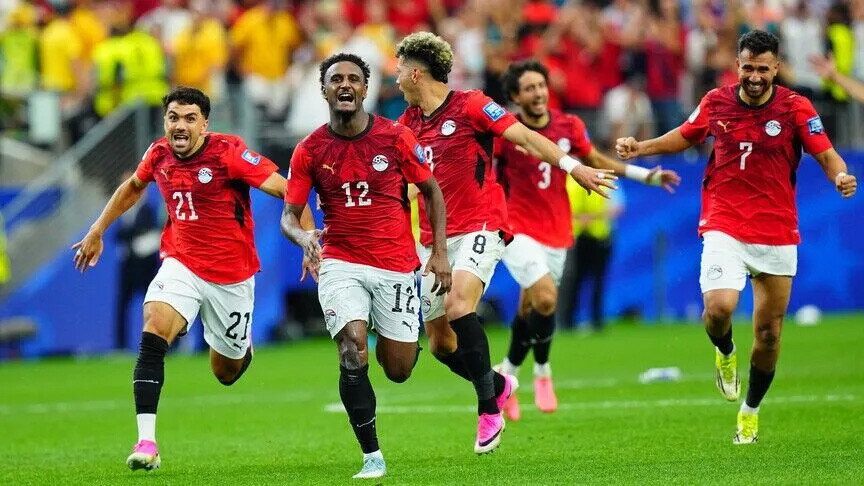
The Egyptian national team returned to deliver one of its best participations in the last decade. The team succeeded in overcoming the group stage, reaching the round of 16, before exiting the tournament after a strong match against Argentina. Despite the exit, the team confirmed it has a good foundation to build on until the 2030 World Cup. Among the most notable gains: the return to knockout rounds, the emergence of several young players, an increase in the team's marketing value, and enhancing opportunities for players to move to European leagues. In terms of assessment: technical: 8.5 out of 10, economic: 8.5 out of 10.
Third: Saudi Arabia... A participation confirms the development of the football project
The Saudi national team entered the tournament amid global attention, with the Kingdom close to hosting the 2034 World Cup. Despite exiting from the round of 64, the team delivered good levels against opponents from different football schools, despite its heavy loss to the Spanish team which went far in this tournament and reached the semi-finals, and proved it possesses a competitive base that is developing. Main gains: a worthy qualification to the knockout rounds, gaining significant experience for players, enhancing the image of the Saudi league globally, and increasing interest in Saudi talents from scouts and clubs.
Economic impact
Saudi national team matches have become among the most watched in the Arab region, and have also contributed to increasing media momentum around the Saudi football project, which positively reflects on sponsorship contracts and sports investment. Assessment: technical: 8 out of 10, economic: 9 out of 10.
Fourth: Iraq... A return worthy of praise
The Iraqi national team delivered a good tournament relative to its circumstances, and succeeded in reaching the knockout rounds, an important achievement reflecting a clear development in the team's level. Despite not continuing the journey, the team exited honorably. Among the most notable gains: restoring global presence, a new generation gaining significant experience, and an increase in the market value of several players. Assessment: technical: 8 out of 10, economic: 7.5 out of 10.
Fifth: Jordan... A historic participation lays the foundation for the future
After the continental achievement in the Asian Cup, the Jordanian national team entered the World Cup with great ambitions. Despite exiting from the group stage, the team proved it can compete with more experienced teams. Among the most notable gains: first extensive participation with this momentum, gaining global experience, and increased interest from foreign clubs in several players. Assessment: technical: 7 out of 10, economic: 7 out of 10.
Sixth: Algeria... Results below ambitions
The Algerian national team was a candidate to go far, but couldn't translate its technical potential into results, leaving the tournament early from the round of 32. Main observations: performance disparity between matches, poor exploitation of opportunities, and lack of technical stability in decisive moments. In terms of assessment: technical: 6.5 out of 10, economic: 7 out of 10.
And seventh: Qatar... Organizational experience more than technical
After hosting the 2022 edition, the Qatari team entered the tournament with greater ambitions, but the results were not up to expectations. Assessment: technical: 6 out of 10, economic: 7.5 out of 10.
And eighth: Tunisia... A participation that did not meet aspirations
The Tunisian national team failed to repeat its good performances in previous editions, and exited from the group stage after an inconsistent performance. Among the main observations: weak attacking effectiveness and conceding goals at crucial times. The need to renew the team's elements. Assessment: technical: 5.5 out of 10, economic: 6 out of 10.
With all these technical and economic assessments and notes recorded, Arab football needs to benefit from the football experiences of some countries where we see competitions in their domestic leagues, as we note that the tournaments reflect the strength of national teams, and the best evidence for that is the presence of the French, English, Spanish, and Argentine teams in the semi-finals of the 2026 World Cup.
Original source: Aleqtisadiah



Comments (0)
Be the first to comment.