US-Iran Tensions Support Dollar... Yen Near 40-Year Low

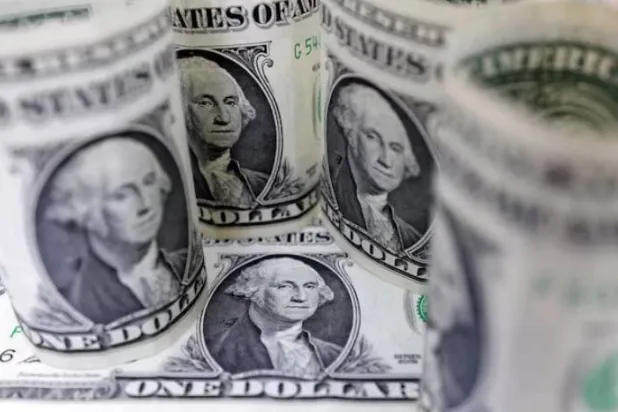
The dollar stabilized on Thursday, supported by escalating tensions between the United States and Iran, which boosted demand for the US currency as a safe haven.
The dollar stabilized on Thursday, supported by rising tensions between the United States and Iran, which boosted demand for the US currency as a safe haven, while the Japanese yen remained near its lowest levels in about four decades, amid growing fears of Japanese authorities intervening in the foreign exchange market.
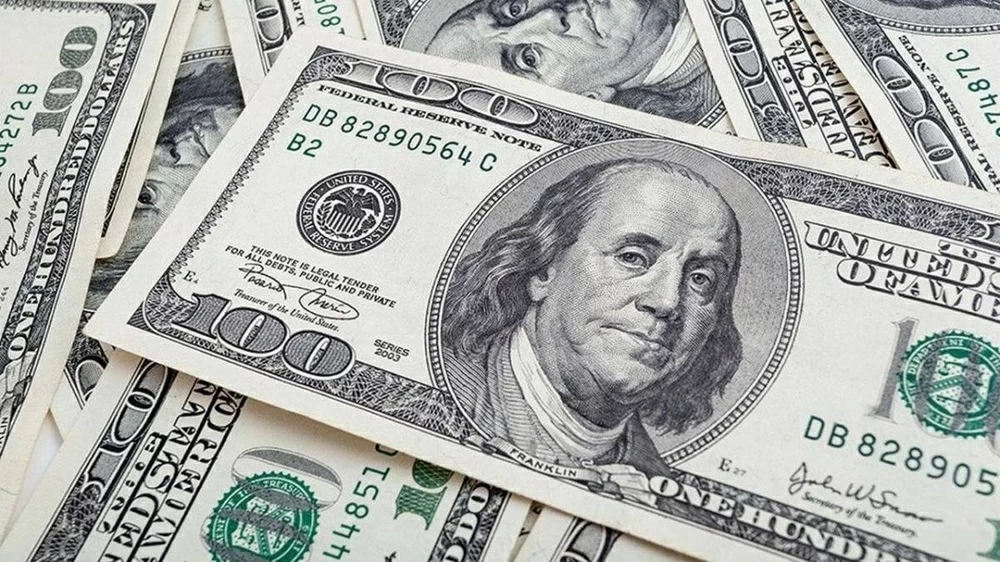
The dollar index, which measures the US currency's performance against a basket of major currencies including the yen and euro, fell by 0.06 percent to 101.05 points, but remained supported by rising oil prices and concerns over a return of inflationary pressures due to the escalation of the conflict between Washington and Tehran.
This came after oil prices rose, with Brent crude climbing more than 1.3 percent to $95.31 a barrel, following the US military's announcement of a new round of strikes on Iran and the Houthis' announcement of targeting oil tankers, raising concerns about disruption to global supplies.
US two-year Treasury yields also rose to their highest in 17 months, as fears grew that higher energy prices would increase inflation, which could push the Federal Reserve to continue raising interest rates.
Joseph Capurso, head of international economics and foreign exchange at Commonwealth Bank of Australia, said: 'What differs from the start of the conflict five months ago is the decline in inventories, which increases the likelihood of oil and gas shortages the longer the conflict lasts, and magnifies the negative economic impact of higher energy prices, which benefits the US dollar.'
The euro rose 0.07 percent to $1.1418, ahead of the European Central Bank meeting, which is expected to keep interest rates unchanged, while leaving the door open for a possible hike in September if inflationary pressures from higher energy prices persist.
The Australian dollar rose 0.2 percent to $0.7012, while the New Zealand dollar held steady at $0.5818, and the British pound rose about 0.1 percent to $1.3383.
In the cryptocurrency market, Bitcoin fell 0.2 percent to $65,741.43, while Ether dropped 0.04 percent to $1,925.36.
Yen near lowest since 1986
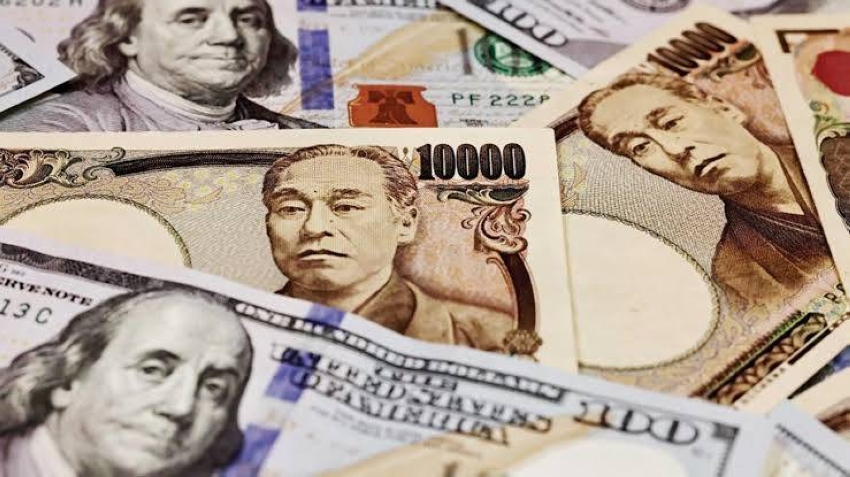
The Japanese yen traded at 163.10 against the dollar, after falling to 163.23 on Tuesday, its lowest level since December 1986, affected by the dollar's strength, expectations of continued US monetary tightening, and persistently low interest rates in Japan.
Reuters had reported, citing three sources, that the Bank of Japan is still monitoring upside inflation risks that could warrant raising interest rates at a faster pace than markets expect.
In contrast, Japanese Finance Minister Katayama reiterated on Thursday the government's readiness to take 'decisive action' in the foreign exchange market if necessary, hinting at possible intervention to support the yen.
Tokyo had already intervened in the currency market in April and May when the dollar exceeded 160 yen.
Kumiko Ishikawa, chief foreign exchange analyst at Sony Financial Group, said that the dollar breaking above 163 yen increased expectations of Japanese authorities' intervention, but the lack of strong warnings so far has led some investors to believe that authorities may tolerate further yen weakness.
She added: 'On the other hand, others see that authorities may not follow the same approach every time, so markets remain on alert regarding the timing of any potential intervention or whether authorities will first conduct a market test.'
); googletag.cmd.push(function() { onDvtagReady(function () { googletag.display('div-gpt-ad-3341368-4'); }); }); }
Original source: Asharq Al-Awsat



Comments (0)
Be the first to comment.