US strikes extend deep into Iran.. Tehran emphasizes 'Hormuz arrangements'

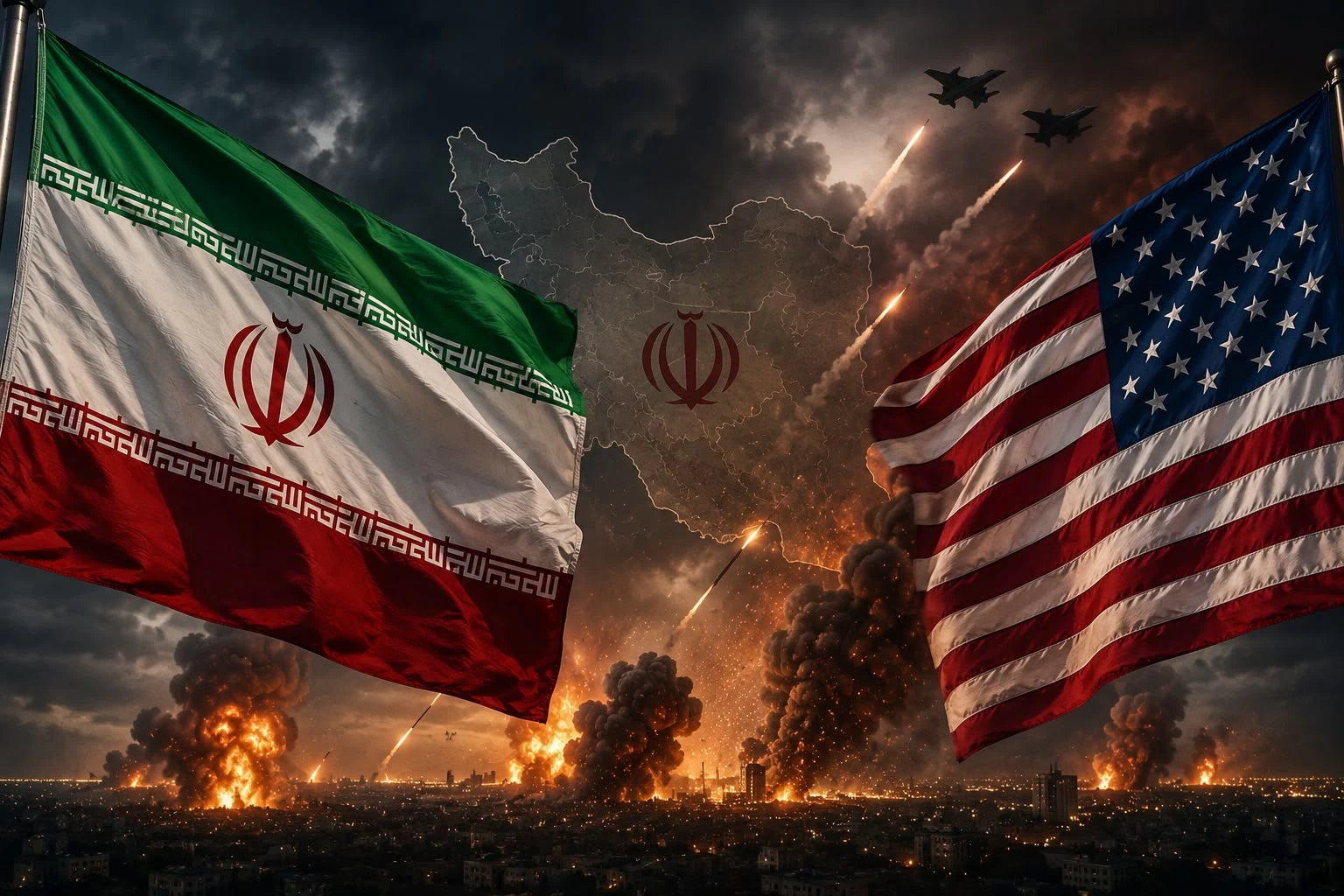
The United States intensified its strikes on Iran on Thursday morning, targeting sites deep inside Iranian territory in the north of the country, and opened fire on a ship it said tried to breach the naval blockade, while Tehran launched missiles and drones targeting Bahrain and Kuwait at dawn, as Iran's chief negotiator Mohammad Baqer Qalibaf stressed his country's adherence to what he described as 'Iranian arrangements' in the Strait of Hormuz, expressing Tehran's readiness for a 'wider military confrontation' if Washington does not comply with the terms of the 'Memorandum of Understanding'.
This escalation comes days after the collapse of a fragile ceasefire, reviving the specter of a full-scale war, as Iran renewed its threats to halt energy exports in the region.
Iranian officials say the latest US strikes have so far killed more than 35 people and wounded over 300 others. The strikes also reached, for the first time since the resumption of fighting, areas near the capital Tehran.
Official Iranian media reported that Semnan province was subjected to US attacks, an area that includes facilities linked to ballistic missile production and Iran's space program.
Iran's Press TV reported that at least two explosions rocked Khondab city in central Iran, located about 250 kilometers southwest of Tehran, while Mehr news agency said Iranian air defenses were activated in Tehran to counter what it described as 'hostile threats'.
Iranian state TV reported that US attacks hit an area near a hospital in Ahvaz that houses a children's cancer treatment center, forcing authorities to temporarily evacuate it.
Another US strike on Wednesday targeted a barracks of the Iranian 388th Mechanized Infantry Brigade, which operates tanks and armored vehicles, in Sistan and Baluchestan province. Iranian TV said US forces launched at least 13 missiles during this attack, killing seven military personnel and wounding a number of soldiers.
Targeting Iran's military capabilities
Three US officials told Reuters that the US strikes, aimed at opening the Strait of Hormuz to navigation, also target Iranian military capabilities that Washington wants to destroy before carrying out 'more complex' operations.
The officials added that these strikes effectively enhance the military options available to Trump, who has kept the world guessing about his next steps after notifying Congress earlier this week of the resumption of the Iran war.
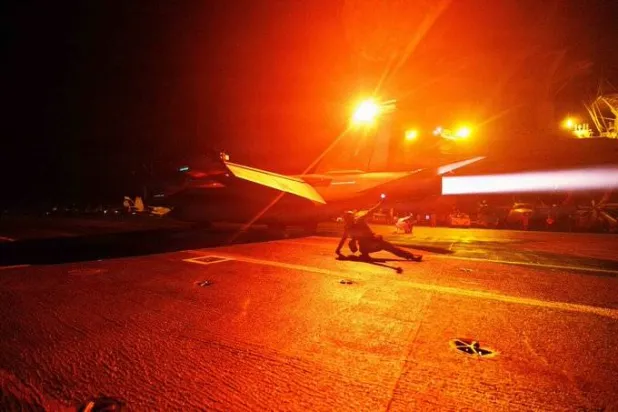
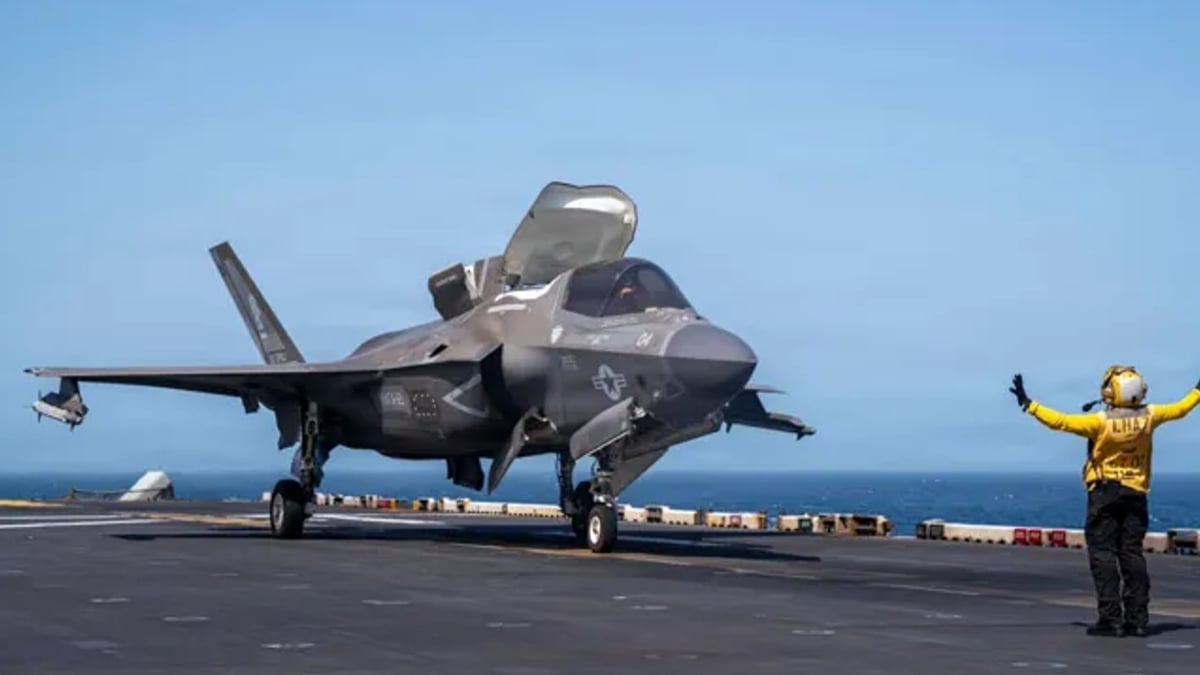
US Central Command (CENTCOM) said the US military carried out strikes targeting coastal defense systems and cruise missile storage and launch sites, as well as attacks on several Iranian positions.
It also indicated that it bombed targets in Bandar Abbas, which houses Iran's largest port and key naval and Revolutionary Guard facilities on the Strait of Hormuz.
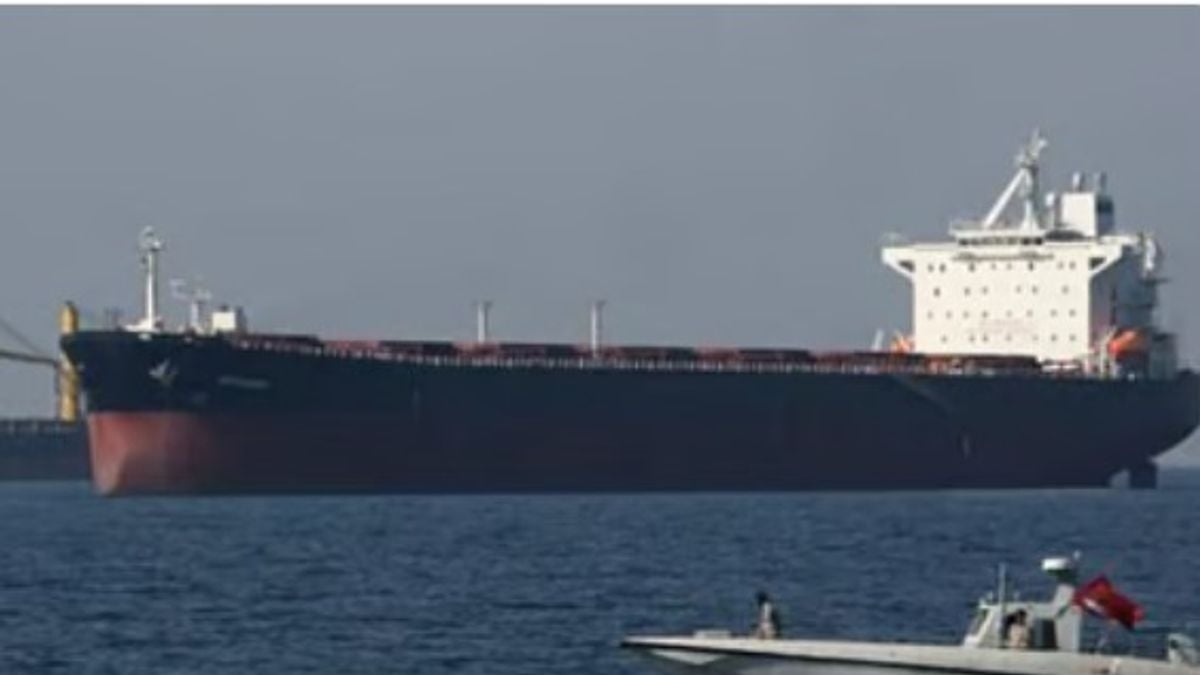
Meanwhile, the US military said it opened fire on the oil tanker 'Belma', flying the flag of Curacao, as it was heading towards Kharg Island, Iran's main oil export terminal.
It added that the ship 'ignored multiple warnings' before a US aircraft disabled it by firing a missile that struck it.
The United States had launched strikes on Iran on Wednesday during daylight hours, another sign of the accelerating pace of attacks.
Wider confrontation
Amid the US attacks, Iranian Parliament Speaker and chief negotiator Mohammad Baqer Qalibaf issued a statement saying that 'Iran's security' depends on maintaining what he called 'Iranian arrangements' in the Strait of Hormuz.
Qalibaf expressed Iran's readiness for a 'wider military confrontation if the United States does not abide by the terms of the interim agreement', referring to the 'Memorandum of Understanding', adding: 'We are waging a fundamental and existential war with the United States'.
For his part, Iran's Islamic Revolutionary Guard Corps announced missile and drone attacks on Bahrain, Kuwait and Jordan, claiming to target 'a gathering of US forces and a radar system'.
A spokesman for the Iranian army, in remarks reported by Reuters, said the only way to reopen the Strait of Hormuz is for the United States to comply with the 14-point 'Memorandum of Understanding' signed by the two sides last June, in addition to implementing 'Iranian regulations' governing ship movement in the strait.
Iran's Revolutionary Guard had threatened on Wednesday to halt all energy exports from the Middle East in response to the US blockade of its ports.
The Revolutionary Guard said: 'Either oil and gas exports from the region are available to everyone, or they will not be available to anyone'.
When the United States and Israel launched war on Iran on February 28, Tehran effectively closed the strait to ship traffic, a step that led to higher prices for oil, fertilizers and many other goods around the world, and gave Iran a 'major leverage card' in negotiations.
The high prices pose a particular challenge for Trump and the Republican Party, which hopes to retain control of Congress in the midterm elections in November. However, Washington has struggled to successfully reopen the waterway, prompting Trump to reimpose the naval blockade on Wednesday.
Political settlement
Trump said on Wednesday during a visit to a war college in Pennsylvania: 'They don't like what we're doing, and they really want to reach a settlement, and we'll see if we will reach an agreement with them, or we will end it completely'.
Trump had announced on Tuesday that US negotiators told their Iranian counterparts that an agreement must be reached, saying: 'You better make a deal'.
In remarks to reporters on Wednesday, Trump warned Iran against continuing escalation, refusing to disclose a specific deadline before possibly targeting its bridges. He added: 'They better behave'.
Trump also wrote in a separate post on Truth Social that Tehran 'made a goodwill gesture by releasing an American citizen who was unjustly detained in Iran since 2024', without providing further details. Iran did not immediately announce her release, and her case had not previously been known to the public.
Human rights lawyer Jared Genser revealed that the released citizen is Dina Karari, who had been banned from leaving Iran since December 2024, according to Reuters.
Original source: Asharq News

Comments (0)
Be the first to comment.