Why is Argentina the Favorite Opponent in the World Cup?

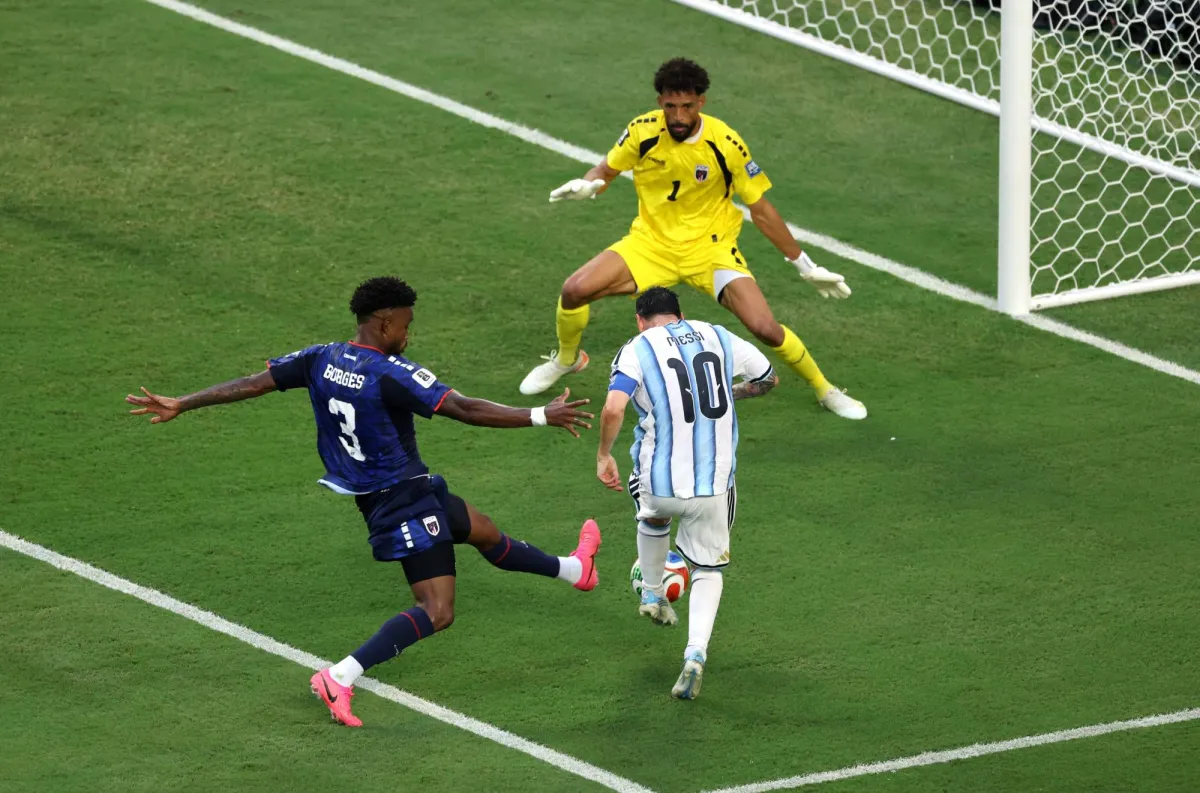
For some fans following the World Cup, the calculation was simple: support any team that faces Argentina. Throughout the tournament, that meant wearing green for Algeria, blue for Cape Verde, or red for Switzerland. Even England, often criticized, received significant support on social media last week before their semi-final match.
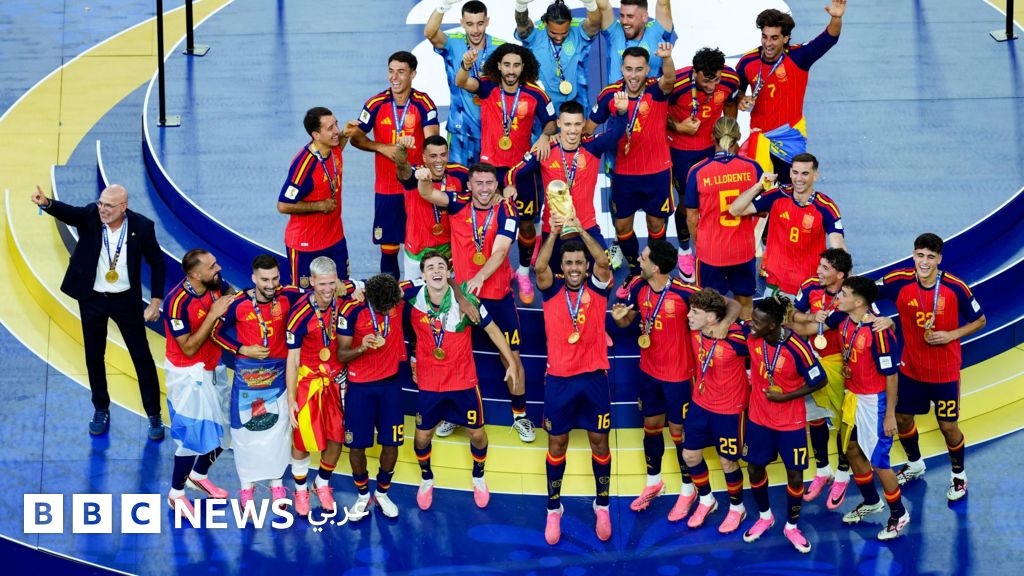
And in the final match on Sunday, that could mean wearing the red jersey of Spain. Argentina is one of the most successful and famous national teams in football, but also one of the most controversial. From Diego Maradona's defiance to Lionel Messi's global fame, the 'Albiceleste' team has always inspired fans at home and abroad, along with feelings of resentment, envy, and spite from rivals.
Maradona's Legend:
The identity of Argentine football has been shaped by exceptional players of global fame. Maradona gave Argentina its boldest sports legend, leading the country to win the 1986 World Cup. His two goals against England in the quarterfinals - the famous 'Hand of God' goal and a brilliant solo run later voted 'Goal of the Century' - remain central to Argentine football history.
The memory of the 'Hand of God' goal still hurts many English fans, while Argentines often see it as part of a broader story of defiance and revenge after the 1982 Falkland Islands War, in which Britain controlled the disputed islands. After Argentina defeated England in the 2026 World Cup semi-final, players raised a banner reading 'Falkland Islands are Argentine', referring to the long-standing dispute over the islands, in an apparent violation of FIFA rules prohibiting political statements.
Messi's impact gave Lionel Messi a different symbol for Argentina than Maradona:
A less public figure, but with broader global influence and longevity. Messi won almost every major club title with Barcelona, becoming the foremost face of a dominant team. However, this success made him a target for rival fans. His rivalry with Portugal's Cristiano Ronaldo added another dimension, dividing global football into two camps: Messi's and Ronaldo's. After years of comparisons to Maradona and constant criticism for not winning a major tournament for his country, Messi led Argentina to win the 2022 World Cup in Qatar.
His continued presence made Argentina an attractive destination for fans, even in India and Bangladesh, miles away from Argentina. But others grew tired of the excessive focus on Messi and the exaggerated praise surrounding him. Argentina's image in Latin America is complex; the country has long considered itself culturally distinct, heavily influenced by European culture and a football culture that often sees victory as proof of national superiority.
This self-confidence is sometimes admired, but in some parts of the region it also fuels the stereotype of Argentine arrogance. Fans of many countries use tournaments to show national pride with drums, flags, and chants, but fanaticism in Argentina can sometimes seem extreme. This nationalist fervor can veer into uglier territory. Earlier this month, an Argentine TV commentator described Mexicans as 'disgusting' and accused them of envying Argentines 'not only in football, but in everything,' statements that Mexican President Claudia Sheinbaum called 'outrageous'.
In stadiums, some fans still chant a derogatory song mocking the African origins of many French players, a song for which Argentine players apologized in 2024 after singing it. Other incidents of racism or hooliganism by Argentine fans have spread on social media, and other fans have complained.
Deep rivalries: The deepest rivalry is between Argentina and Brazil, rooted in decades of competition between the two most successful countries in South America. At the 2014 World Cup in Brazil, Argentine fans chanted 'Brazil, tell me how it feels,' taunting the hosts while celebrating Argentina's advance. Tensions with Chile escalated after Chile beat Argentina in the 2015 and 2016 Copa América finals, both on penalties. A tense football relationship has also developed between Mexico and Argentina, fueled by frequent World Cup meetings and social media debates over performance.
Argentina's playing style - characterized by skill and cunning - can be enjoyable to watch, but it is also seen by some as contrary to the principles of fair play. For some fans, expecting any team other than Argentina to win has become the default choice in the tournament.
Correspondent for breaking news at Reuters based in Mexico
Original source: Aleqtisadiah




Comments (0)
Be the first to comment.