17 Films Revisit the City of the Palm and Memory

The Saudi Cinema Association's mobile program 'Our Screen' made a stop in Buraidah, screening 17 short films and hosting filmmaker Hassan Saeed, exploring memory, identity, and cultural transformation.
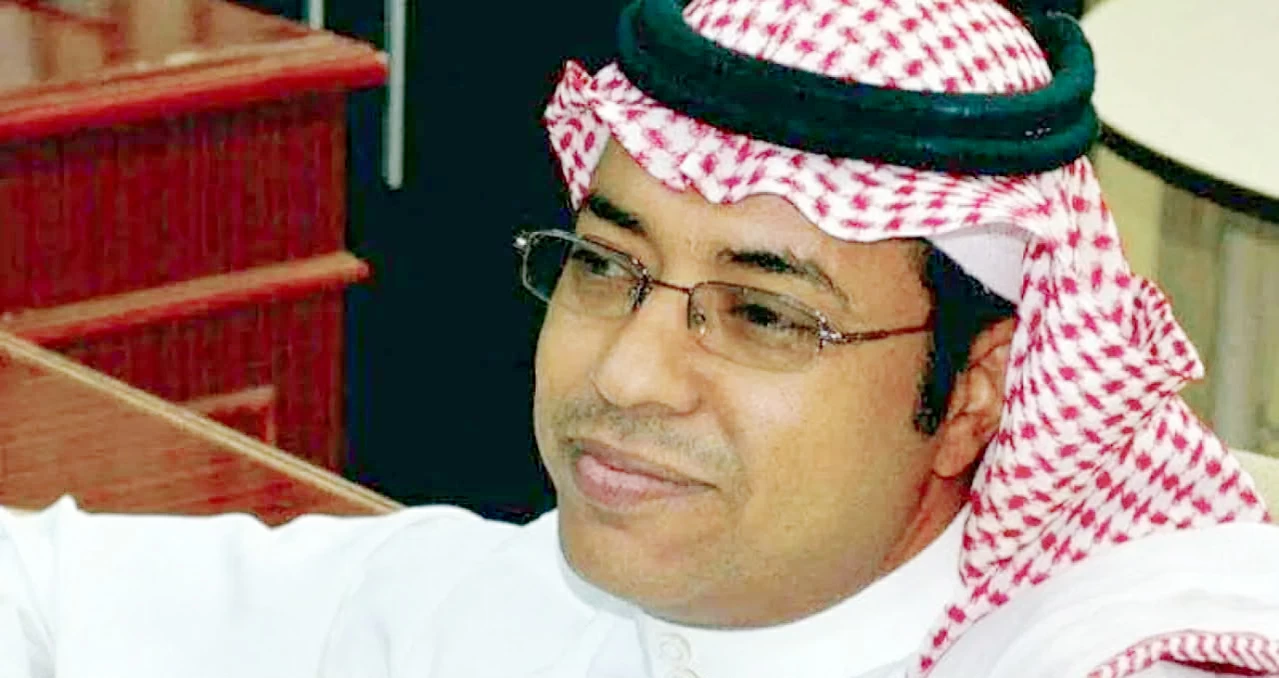
Saudi director and producer Hassan Saeed
Monday, July 20, 2026
Al Jazeera - Wael Al-Otaibi:
In a city whose memory was shaped around the palm tree, grew through trade, and preserved its stories in craft, cuisine, and architecture, cinema entered Buraidah from a different gateway—not just to provide a screening screen, but to open a new dialogue with the place, its memory, and its transformations. Over the past Friday and Saturday, July 17 and 18, 2026, the Culture House in the Qassim region hosted a new stop of the mobile program 'Our Screen,' organized by the Cinema Association, presenting 17 short films ranging from fiction, documentary, and comedy, along with a meeting with Saudi director and producer Hassan Saeed.
Between tales of folk heritage, details of daily life, questions of identity and human relationships, and the anxiety stirred by modern technologies and artificial intelligence, the films on display drew a broad map of the human experience, confirming that cinema does not merely record what happens, but gives society a chance to reflect on itself, read its past, and question its future.
The station's screenings kicked off on Friday evening with the film 'Tariyaq' by director Hassan Saeed, which follows the journey of a child trying to record a folk singer's voice using his father's old tape recorder. In this simple story, an old device becomes a key to an entire memory, and the folk voice becomes more than a fleeting recording; it is a trace of a time about to vanish, and a childhood attempt to hold on to what can only be reclaimed through memory.
Friday's program also featured the films 'Sharshoura' by Ahmed Al-Nasr, 'Story of Saleh' by Zaki Al Abdullah, 'Sweet and Sour' by Ahmed Al-Hasawi, 'Shameful Life' by Saad Tuhaytah, 'Extended Hardship' by Sultan Rabee, and 'Jahiri' by Mohammed Al-Zahrani.
The station continued its screenings on Saturday evening with the films 'The Hidden Forest Man' by Khaled Al-Housa, 'Layli' by Zakaria Al-Bashir, 'Qinn' by Mojtaba Zaki Al-Hajji, 'Chewing Gum' by Bilal Al-Badr, 'Chewing Gum Documentary' by Abdulrahman Ahmed, 'Journey 1-2' by Rana Matar, 'Rawand Caravan' by Ahmed Abu Al-Asari, 'Basin' by Reema Al-Majed, 'Tarfa' by Abdullah Al-Suwaid, and 'Saleeq' by Afnan Bawyan.
Alongside the screenings, the Buraidah station hosted director and producer Hassan Saeed, coinciding with the screening of his film 'Tariyaq,' in a meeting that allowed the audience to get closer to his experience in filmmaking and discuss several aspects related to cinematic work, reflecting the nature of the 'Our Screen' program, which goes beyond the idea of screening to building a space for dialogue between the film, its maker, and the audience.
The hosting of this program in Buraidah does not appear to be just another stop in a series of mobile screenings. The place itself carries cultural layers that give cinema's presence there a special significance. Buraidah, long associated in the public memory with the image of a conservative city, is at the same time an ancient city formed around the palm tree, thrived on trade, and accumulated its memory in craft, markets, folk cuisine, and local architecture. Today, it does not view its heritage as a closed past, but re-reads it within the broader cultural transformations the Kingdom is witnessing.
From this perspective, cinema appears as a natural extension of this movement; it does not come to replace the memory of the place, but to give it a new language, and does not sever the connection with the past, but reconsiders it from the vantage point of the present. Between a film that revives a folk singer's voice from an old device, works concerned with childhood, identity, and human relationships, and others approaching questions of technology and artificial intelligence, the 'Our Screen' station in Buraidah seemed like a journey between two times: a time preserved by memory, and a time whose features are being reshaped by technology.
In the space between past and future, cinema affirms its ability to be more than an art for viewing; it is a means of rediscovering cities, reading societal transformations, and giving local details a new life on screen. Perhaps the importance of its presence in Buraidah lies precisely in this meaning: that cinema enters the city of the palm and memory not as a stranger to the place, but as a new tool to narrate its stories.
The Buraidah station is part of the 'Our Screen' program, launched by the Cinema Association to expand the reach of films to audiences through diverse cultural spaces, and to provide a viewing experience that extends to meetings, dialogue, and the exchange of ideas about works and their makers, enhancing the presence of cinema and arts as part of the Saudi cultural movement, and a space capable of connecting memory to the future, and transforming cities from mere places about which stories are told into spaces that tell their own stories.
Original source: Al-Jazirah


Comments (0)
Be the first to comment.