Nature of Al Ula: A Renewed Source of Inspiration for Poets Through the Centuries
Sunday, July 19, 2026
Al Ula - SPA:
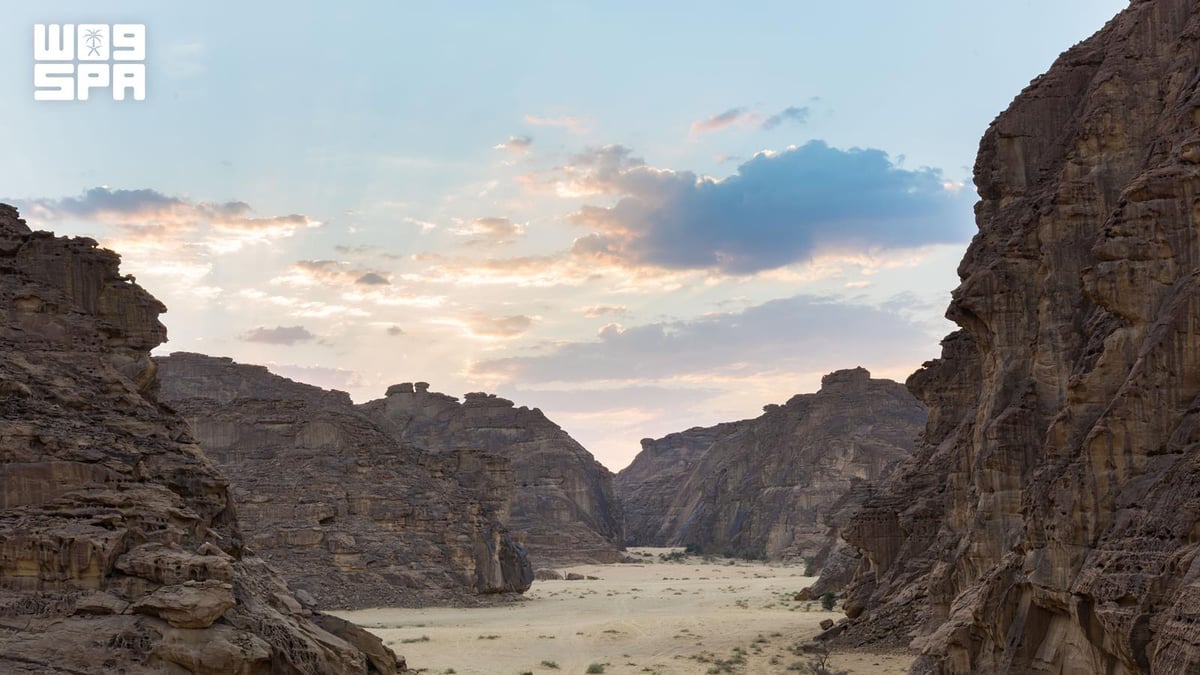
The nature of Al Ula Governorate, with its lush oases, towering mountains, and vast valleys, has served as a renewed source of poetic inspiration across the centuries. Poets have drawn from its features a rich material to construct images and meanings, making it one of the prominent environments in the history of Arabic poetry, contributing to enriching the literary and cultural heritage of the Kingdom and the Arabian Peninsula.
Al Ula was historically known as Wadi al-Qura, which over the ages formed a meeting point for civilizations and a major station on trade and caravan routes, due to its abundance of water, fertile land, and diverse natural environment. This was reflected in literary life, turning the details and components of the place into sources of poetic imagery.
During the Umayyad era, Wadi al-Qura witnessed significant literary activity and was associated with several poets, foremost among them Jamil bin Muammar al-Udhri, known as Jamil Buthayna. Born and raised in Wadi al-Qura, he made his homeland and its valleys an integral part of his poetic experience, with the features and locations of the place appearing in many of his poems.
One evidence of the presence of Wadi al-Qura in Jamil's poetry is his verse: "Oh, if only I knew whether I would spend a night in Wadi al-Qura, for then I would be happy." This line highlights the status the valley held in the poet's experience and provides literary testimony to the presence of Al Ula's geography in Arabic poetry since the Umayyad era.
The impact of Al Ula's nature on Jamil's poetry also extended to constructing artistic imagery, as he drew descriptive elements from its plants and wildlife, saying: "A gazelle-like waist, like a branch of the ban tree, above her waist, and beneath it a mound of sand that crumbles." He also used the image of the wild deer and the arak tree in his verse:
"She has the eyes of a deer and a neck like a rope of arak adorned with pearls, and a waist slender as folded fine cloth—when she stands, it narrows, and when she sits, it settles."
These verses embody the presence of natural environment elements in constructing poetic imagery and illustrate how plants, wildlife, and geographical formations turned into artistic tools that contributed to shaping the language of the poem and its aesthetic images. The presence of Al Ula's nature in poetry was not limited to a specific era; its mountains, oases, valleys, and unique rock formations have remained present elements in the works of poets and writers across different ages, until its features became part of the Arabic literary memory.
Read also
From the Land of Inscriptions to the Language of Images... 'Our Screen' Illuminates the Night
Bird Gardens and Al Hada Cable Car Attract Taif Visitors
Energy, Industry, and Mining... and Prince Abdulaziz bin S
Original source: Al-Jazirah




Comments (0)
Be the first to comment.