T-Rex Dinosaur Skeleton 'Gus' Sold for $50.1 Million at New York Auction
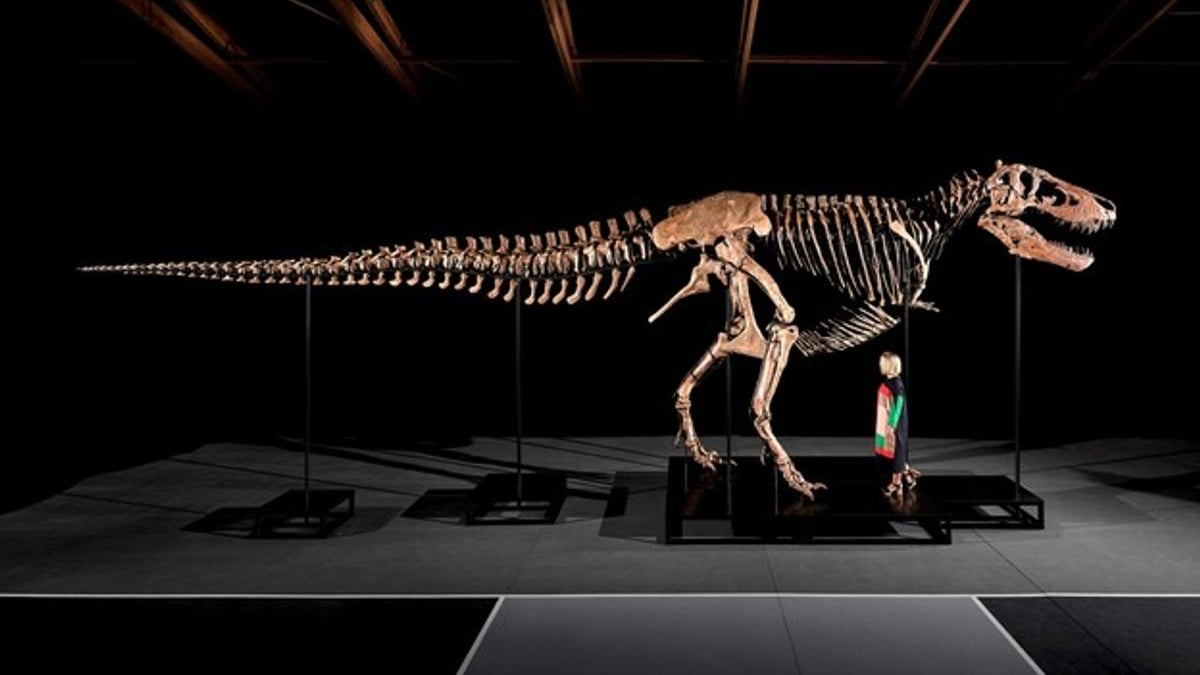
The T-Rex skeleton 'Gus' fetched $50.1 million at a Sotheby's auction in New York, setting a world record and reigniting controversy over the sale of fossils to private collectors.
A Tyrannosaurus rex skeleton named 'Gus' set a world record after being sold at a Sotheby's auction in New York for $50.1 million, becoming the most expensive dinosaur ever sold at auction.
The auction house said the sale saw competition lasting about ten minutes among several bidders before the auction was settled at the record price, exceeding initial estimates of between $20 million and $30 million. Sotheby's did not disclose the buyer's identity.
Specifications of the 'Gus' Skeleton
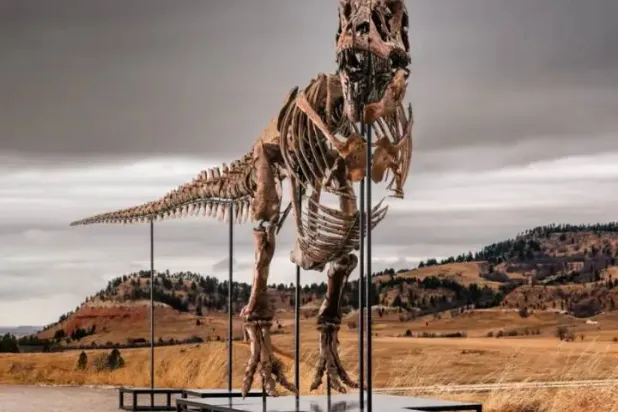
According to Sotheby's data, published by website cuestionentrerriana, 'Gus' is more than 11 meters long and about 4 meters tall, comprising 183 bone elements with a completeness rate of approximately 61%, making it one of the most complete T-Rex skeletons in the world. The skeleton dates back to the Late Cretaceous period about 67 million years ago.
The fossil includes an exceptionally well-preserved skull representing about 82% of the original skull bones, along with the collarbone known as the 'wishbone,' a complete pair of feet, and a full pelvis. The skeleton also shows evidence of multiple injuries from the dinosaur's life, including bite marks and healed fractures, indicating it engaged in violent encounters.
Discovery Background and Scientific Debate
Thomas Haightcamp, head of Theropoda Expeditions and supervisor of the fossil's discovery, explained that 'Gus' was found during excavation work carried out between 2021 and 2023 in the Hell Creek geological formation in South Dakota, USA, which is one of the richest fossil sites in North America.
In the same context, this sale surpassed the previous record held by a Stegosaurus skeleton named 'Apex,' which was sold in 2024 for $44.6 million.
It is worth noting that the deal has reignited debate among paleontologists about selling fossil skeletons to private collectors, as it is feared that this could deprive researchers and museums of studying these rare specimens and affect their long-term preservation.
Original source: Ajel.sa





Comments (0)
Be the first to comment.