"Luminous Discoveries" Exhibition Transforms Dadan Findings into an Educational Journey for AlUla Visitors
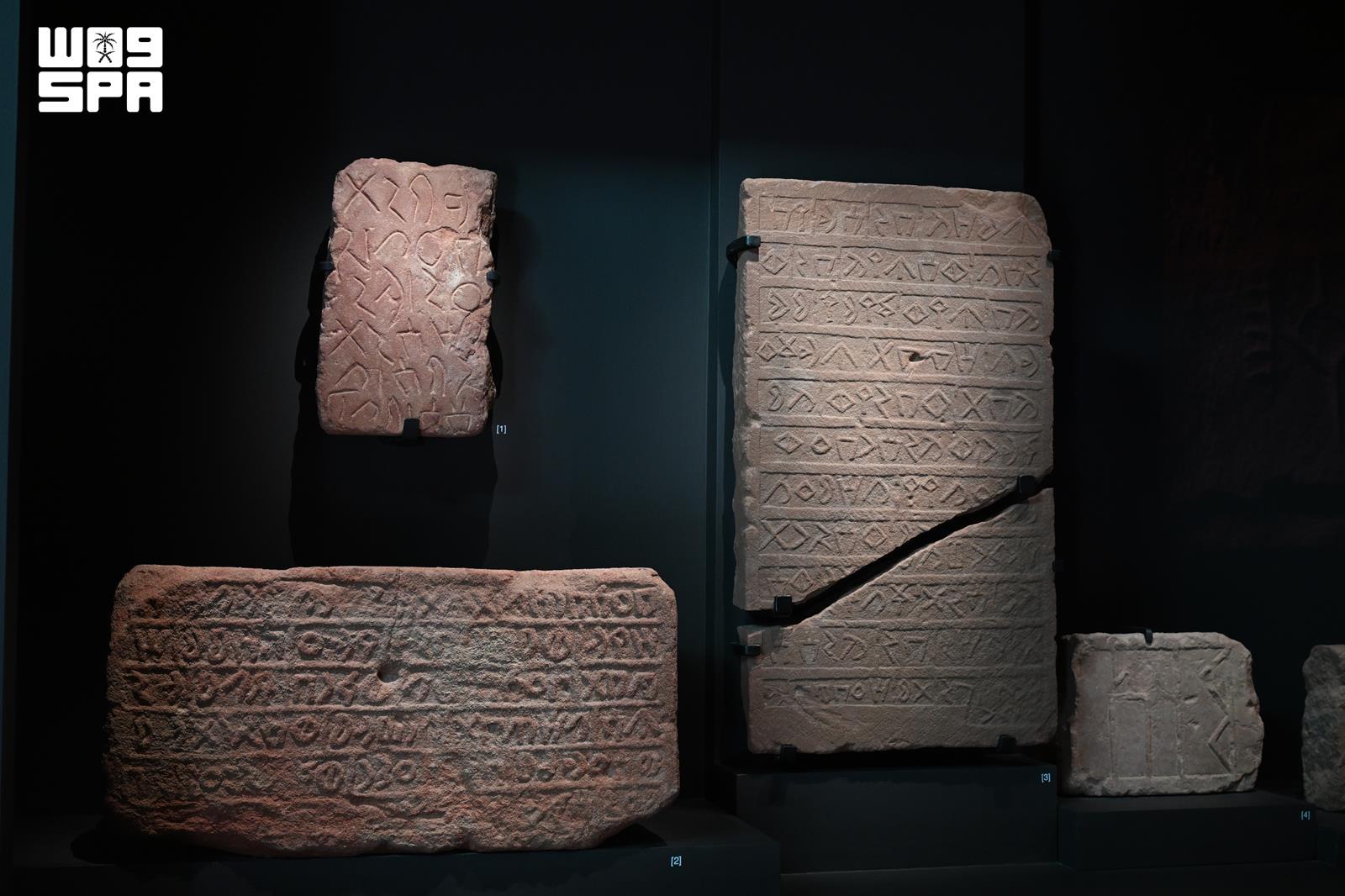
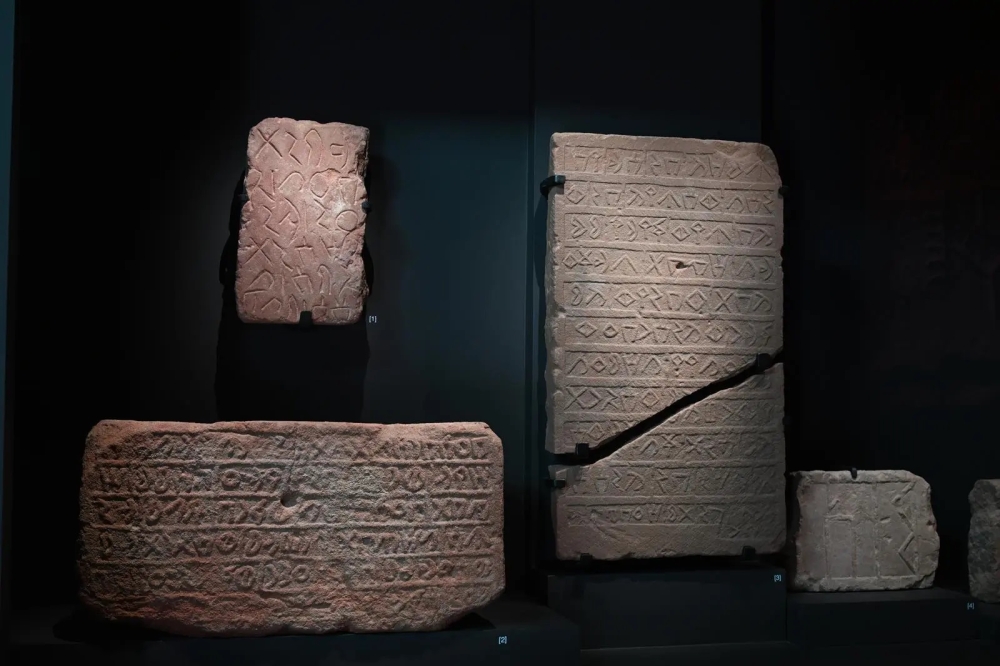
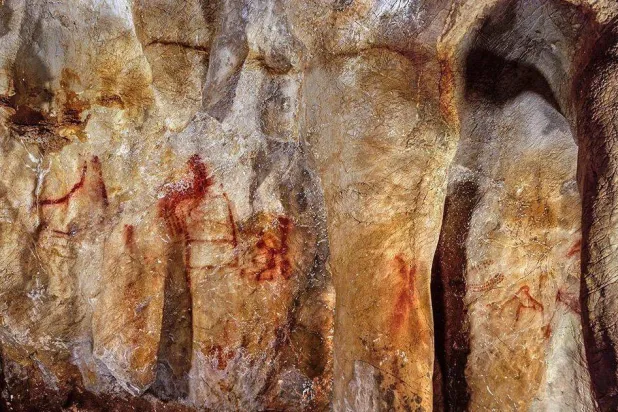
AlUla, Muharram 22, 1448 AH / July 7, 2026 SPA The "Luminous Discoveries: Historical Stages in Dadan" exhibition continues to welcome visitors to AlUla Governorate as part of the Dadan and Jabal Ikmah tour during the summer season, offering a cultural and educational experience that explores the history of Dadan, the historical capital of the Dadan and Lihyan kingdoms, through archaeological discoveries that help interpret the history of one of the most prominent civilizations that flourished in northwest Arabia. Held at the Dadan archaeological site, the exhibition takes visitors on an educational journey through layers of the city's history and its transformations across the ages, displaying more than 100 artifacts discovered during excavations at the Dadan and Umm Daraj sites over the past five years, documenting aspects of daily life, crafts, beliefs, and trade networks that thrived in the region. The exhibits highlight the historical status of Dadan as a link between ancient world civilizations, as archaeological findings reveal the extent of trade and cultural relations with various regions through pieces of Greek style, a bone hairpin from the Roman or Byzantine era, and Minaic inscriptions from ancient South Arabia, evidence of the city's connection to a vast trade network along the incense routes. The exhibition also features archaeological evidence documenting the beginnings of agricultural activities in Dadan from around the third millennium BC, the emergence of handicrafts since the second millennium BC, and the development of craft industries including metalworking and spinning and weaving techniques, reflecting the city's civilizational and economic progress through the ages. The exhibition includes artifacts displayed for the first time, most notably stone statues discovered by archaeologists during excavations, showcasing the sculpting skill of artists from the Lihyan kingdom, as well as a Greek-style ceramic head reflecting cultural and artistic interaction between Dadan and Mediterranean civilizations. The exhibits also allow visitors to see inscriptions carved on sandstone, including Minaic inscriptions from ancient South Arabia, along with a fragment of an inscription likely part of a religious or public building, and written evidence documenting commercial activity in the city, linked to the inscriptions spread across Jabal Ikmah, one of the most important rock inscription sites in the Kingdom, inscribed on UNESCO's Memory of the World Register. The exhibition also presents results of survey and excavation work that uncovered hundreds of inscriptions and rock drawings in the Dadan area, including scenes of horsemen carrying spears and depictions of hunting trips, enriching knowledge of the region's history and its social and cultural life across successive historical periods. The exhibition's content is distributed across five main themes: crafts and daily life, exchange and trade, ancient beliefs and rituals, stone inscriptions, and the Umm Daraj area, providing visitors with a comprehensive picture of Dadan's development and its role as one of the most important ancient Arab urban centers. The exhibition is the result of collaboration between Saudi archaeologists and international institutions as part of the Dadan Archaeological Project, in partnership with the Royal Commission for AlUla Governorate, the French National Centre for Scientific Research, and the French Agency for AlUla Development, as part of joint efforts to document archaeological discoveries and make them accessible to visitors and researchers, enhancing knowledge of AlUla's history and cultural heritage. The "Luminous Discoveries: Historical Stages in Dadan" exhibition is one of the cultural experiences enriching visitor programs in AlUla during the summer season, offered as part of the Dadan and Jabal Ikmah tour experience, giving visitors a unique opportunity to learn about original archaeological discoveries that reveal chapters from the history of one of the Arabian Peninsula's oldest civilizations, highlighting AlUla's status as a destination combining cultural discovery and tourism experience. // End // 18:48 T M 0170
Original source: SPA



Comments (0)
Be the first to comment.