Egypt: Parliamentary move to activate "public performance right" stirs dispute between artists and producers
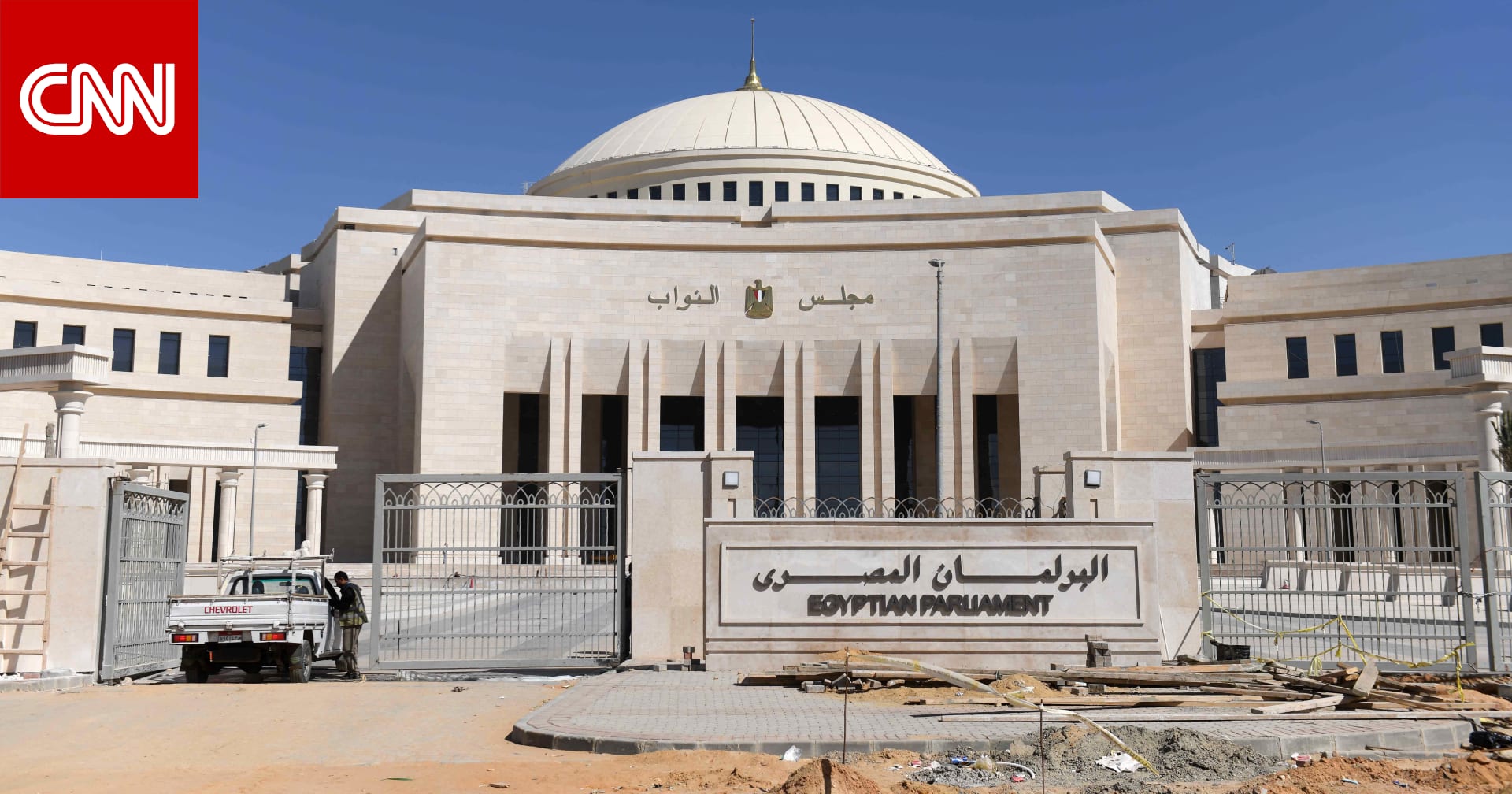
A parliamentary move to activate the "public performance right" for artists in Egypt has sparked a dispute between artistic unions and producers, after the Senate approved a proposal submitted by artist and member Yasser Galal to activate this right.
Archival photo Credit: AHMED HASAN/AFP via Getty Images
Cairo, Egypt (CNN)-- A parliamentary move to activate the "public performance right" for artists in Egypt has sparked a dispute between artistic unions and producers, after the Senate approved a proposal submitted by artist and member Yasser Galal to activate this right.
While the unions see the step as aimed at enabling artists to receive returns from the re-broadcast of their works, producers insist that these rights are regulated by contracts signed with artists, which allow waiving the public performance right as a financial right.
Cause of the dispute
The dispute centers on whether performing artists have an independent right to receive financial compensation from broadcasting entities when cinematic and television works are re-broadcast, or whether this right transfers to the producer under contracts in which artists waive financial exploitation rights in exchange for a fee they receive upon contracting.
Parallel to the parliamentary move, the Acting Professions Syndicate announced an internal organizational meeting attended by members of artistic unions to discuss the executive mechanisms and procedural arrangements necessary to activate the public performance rights law, in a step aimed at exploring ways to implement the law and organize its execution procedures.
Cinema Chamber responds
In response, the Cinema Chamber, headed by producer Hisham Abdelkhalek, had previously affirmed that the Intellectual Property Rights Protection Law No. 82 of 2002 does not prohibit waiving the public performance right as a "financial right that can be agreed upon, nor does it oblige producers to sign unified contracts with members of artistic unions, nor does it impose payment for public performance unless the author or performing artist explicitly retains this right."
The Chamber added that "the producer, according to the provisions of the law, owns the financial exploitation rights of the cinematic or television work throughout its exploitation period, as the entity bearing the costs of production and financing, and has the freedom to formulate contracts that ensure the retention of these rights, especially since the contract is the law of the contracting parties, and the public performance right, as a financial right, can be waived in exchange for the fee received by the artist or author."
It also stressed that for previously produced cinematic and television works, "broadcasting entities are not obligated to pay for public performance unless the performing artist or author retained this right at the time of contracting. Likewise, any claim for compensation for the re-broadcast of those works must be based on a legal basis proving that this right was not waived."
The Chamber opined that "producers already support members of artistic unions by paying the legally mandated proportional fee to the unions," warning that "imposing new financial burdens on producers comes at a time when the film and drama industry faces rising production costs and wages for some artistic work elements."
"Not a new right"
For his part, intellectual property expert Dr. Mohamed Hegazy said that the public performance right for performing artists is "not a new right, but rather an original right established in the Intellectual Property Rights Protection Law No. 82 of 2002, and was even recognized before the law was issued," explaining that the current dispute "is not about the artist's entitlement to this right, but about the mechanisms for exercising it and collecting its returns."
Hegazy added that many artists, both actors and singers, "waive their public performance rights under contracts signed with producers, in exchange for receiving a fee or a lump sum that includes the value of these rights, which grants the producer the right to collect the returns resulting from the exploitation of the work according to what is stipulated in the contract."
He added, in exclusive remarks to CNN Arabic, that "the crisis is not limited to the nature of contracts, but extends to the absence of an integrated institutional system for managing public performance rights. In various countries around the world, these rights are managed through collective management societies that monitor the use of artistic works, collect dues, and then distribute them to rights holders, while this system in Egypt still needs clearer regulation."
He pointed out that "activating the public performance right does not require an amendment to the Intellectual Property Law regarding the origin of the right, because it is already guaranteed in current legislation. However, it may require amending some provisions regulating the mechanisms for collecting and managing these rights, to allow for organizing the work of collective management societies specialized in collecting returns and distributing them to rights holders."
Regarding producers' objections, Hegazy explained that "the concern does not stem from recognizing the public performance right, but from the potential loss of part of the revenues they currently receive under contracts that include the artist's waiver of this right, especially since the issue essentially relates to regulating the contractual relationship between the artist and producer, and the mechanisms for managing and distributing public performance rights."
Original source: CNN Arabic


Comments (0)
Be the first to comment.