80 Cases in One Day: Congo's Ebola Fire Spreads
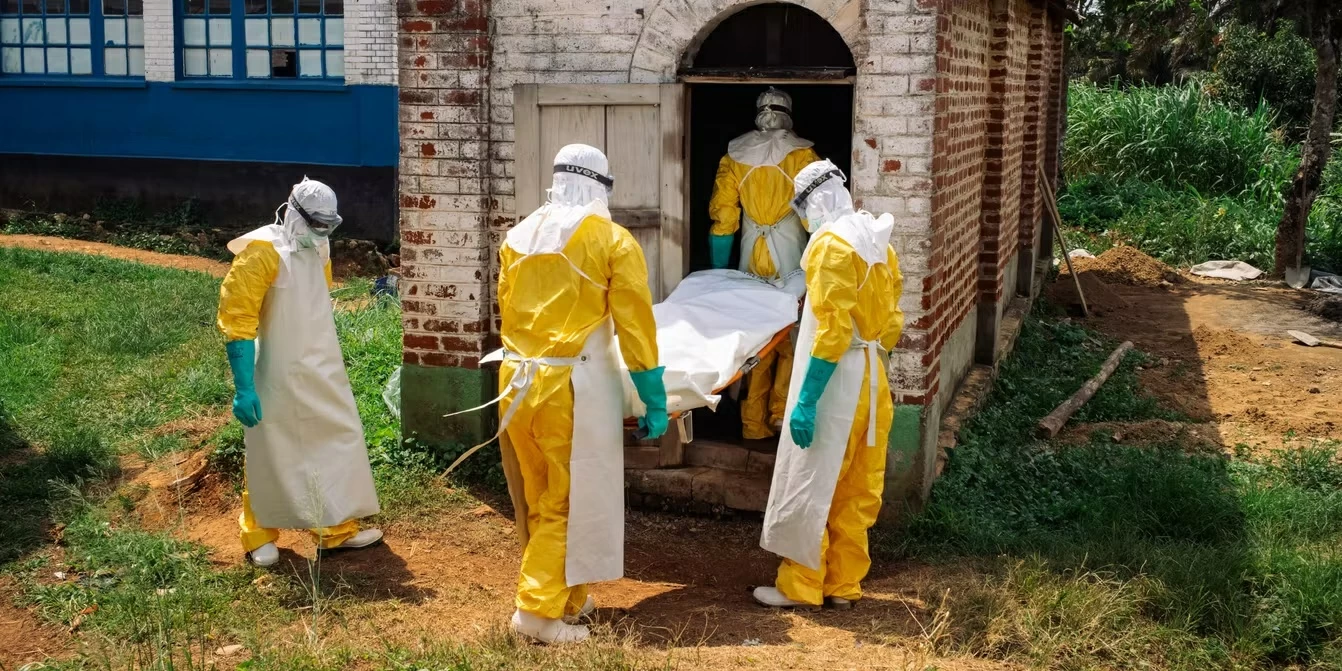
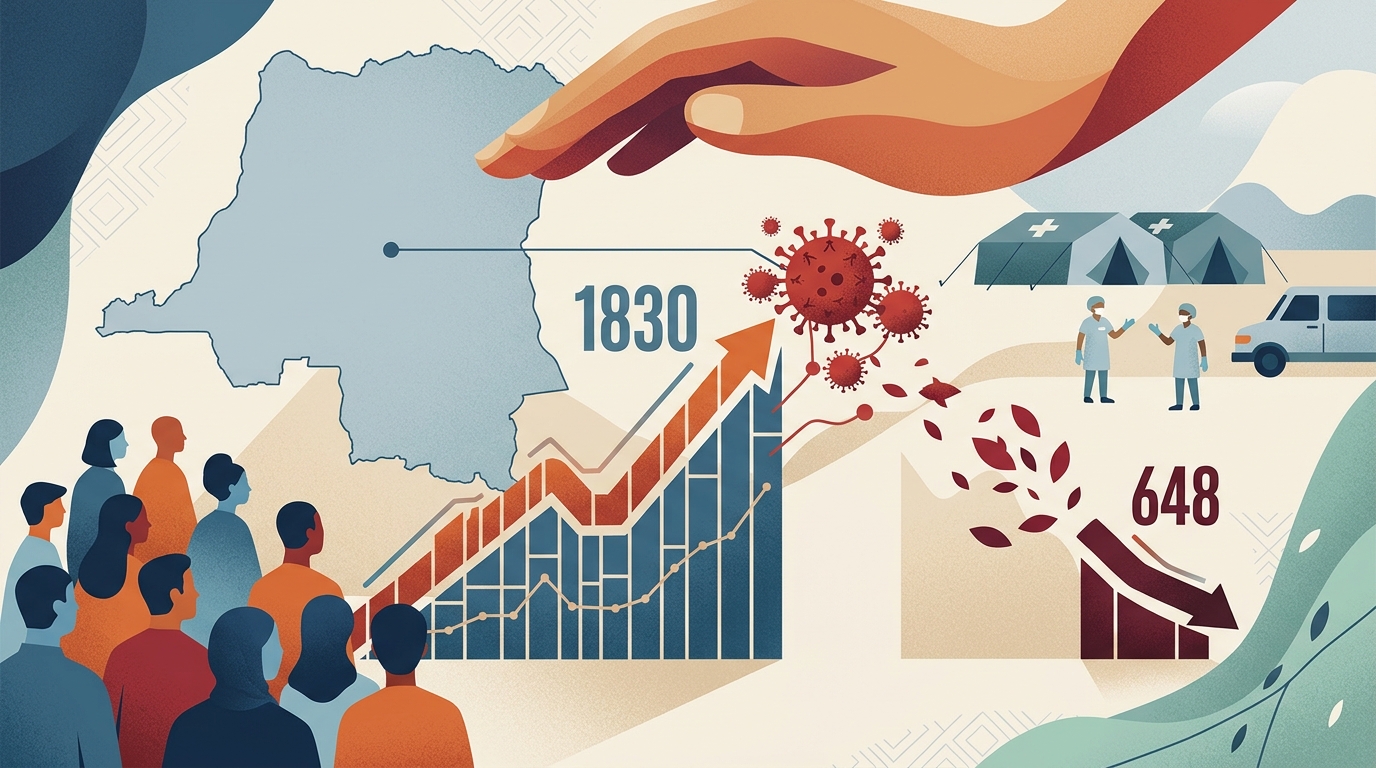
International concern has accelerated in recent hours as the World Health Organization announced that the Ebola outbreak in the Democratic Republic of Congo has entered an 'unprecedented' phase, after recording daily jumps in infections considered the highest since the start of the crisis. In an urgent report issued Friday evening, the organization confirmed that more than 80 new cases appeared within 24 hours in some areas, raising the total to approximately 1,963 confirmed cases and 719 deaths, amid estimates indicating that the real number may be 2 to 4 times larger due to difficulty accessing affected areas. **media[2738563]…
The pace of international concern has accelerated in recent hours as the World Health Organization announced that the Ebola outbreak in the Democratic Republic of Congo has entered an 'unprecedented' phase, after recording daily jumps in infections considered the highest since the beginning of the crisis.
In an urgent report issued Friday evening, the organization confirmed that more than 80 new cases appeared within 24 hours in some areas, raising the tally to approximately 1,963 confirmed cases and 719 deaths, amid estimates indicating that the actual number may be 2 to 4 times larger, due to difficulty accessing affected areas.
International newspapers, including the BBC, The Guardian, and Reuters, indicate that 80% of new infections come from unknown transmission chains, meaning the virus is spreading beyond traditional control, and response teams are working in 'darkness and mobile hotspots'.
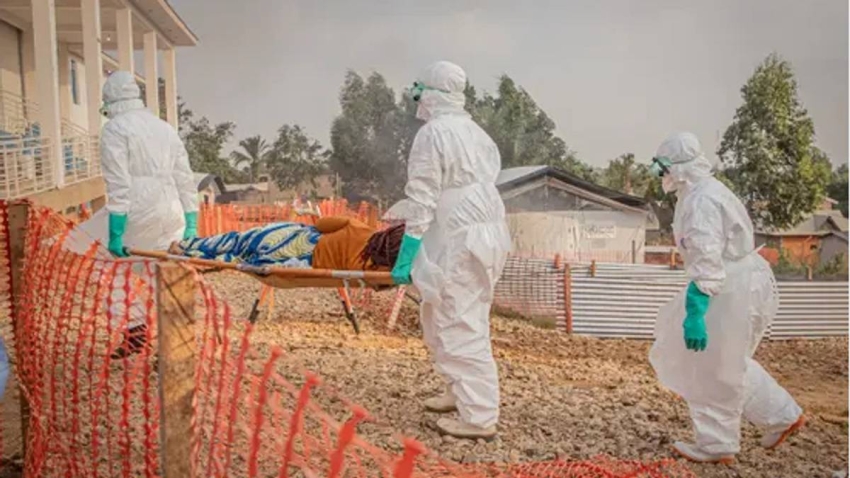
In a dangerous development, the International Organization for Migration warned that transporting the bodies of Ebola victims between regions has become one of the most dangerous factors in the spread of infection, as the virus remains active inside the corpse at a high concentration, making any unsafe burial a potential source of a new outbreak.
This coincided with strikes by health workers in Congo due to delayed salaries, leading to the temporary closure of some treatment centers, at a time when every hour is critical to contain the virus. Medical facilities also came under attack in conflict zones, hampering rapid response efforts.
Despite the grim picture, the last hours brought positive news from Uganda, where the Minister of Health announced that the last Ebola patient had left the hospital, and the country began the countdown of 42 days before officially declaring itself free of the virus, a step described by the press as 'a point of light in a dark scene'.
As the outbreak continues in Congo, attention turns to the ability of health organizations to curb the spread of the virus amid security and logistical challenges, while the most important message remains clear: Ebola does not spread as quickly as common viruses, but it strikes hard when it finds a gap... and the gaps in this outbreak are many.
Original source: Okaz

Comments (0)
Be the first to comment.