After Poisoning Cases in Britain: Health Warnings About Counterfeit Botox Injections
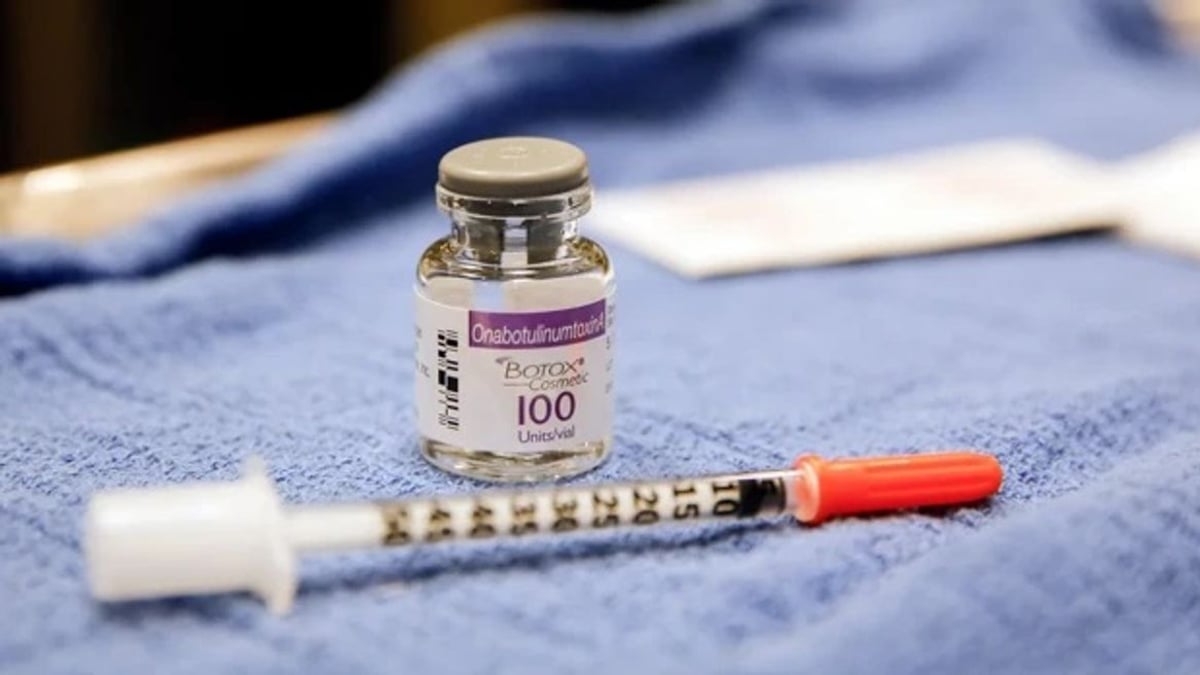
British health authorities have warned of the dangers of counterfeit Botox injections, after reporting serious poisoning cases that in some instances were life-threatening.
The Medicines and Healthcare products Regulatory Agency (MHRA), according to the British newspaper Daily Mail, announced intensified warnings regarding Botox injections following a notable increase in the number of patients requiring hospitalization due to complications linked to unlicensed products.
The agency affirmed that warning labels on counterfeit product packaging and patient information leaflets will become clearer, and stressed the need to be aware of symptoms that may appear within a month of receiving injections, including difficulty swallowing, slurred speech, difficulty breathing, and muscle weakness.
Botox is widely used to reduce wrinkles, relying on botulinum toxin which weakens facial muscle movement. However, improper use or use of counterfeit products can lead to botulism, a rare condition that causes muscle paralysis and can affect breathing ability, becoming life-threatening.
The number of Botox injection procedures in Britain is estimated at around 900,000 annually, making this treatment one of the most widespread cosmetic procedures.
Health authorities warn that the spread of counterfeit products in the market may increase the risk of serious complications.
Among the cases that raised concerns is that of Kylie Bailey from Peterlee, County Durham, who paid £75 for three anti-wrinkle injections, which was less expensive than a previous treatment she had undergone.
A few days after receiving the injections, Bailey began experiencing sudden vision problems. According to the BBC, she went to Sunderland Royal Hospital, where doctors initially diagnosed her with ptosis (drooping eyelid) and advised rest before allowing her to return home.
However, her condition deteriorated over the following days, and she was rushed to the hospital, where it was found she had botulism.
Due to the severity of her condition, Bailey spent three days in intensive care and received antitoxin treatment. At one point, she stopped breathing and doctors had to resuscitate her.
Bailey later said: "I remember lying on the bed thinking: I'm dying here, and I don't want to."
Bailey had received injections of a substance called "Toxepta," an illegal anti-wrinkle product resembling Botox.
38 Poisoning Cases Due to Botox Injections
The UK Health Security Agency (UKHSA) recorded at least 38 cases of botulism related to the use of unlicensed products last year.
Bailey was one of 28 cases reported in Northeast England, where the emergency department in Durham received five patients in a single night in June, all linked to counterfeit cosmetic injections.
Dr. Alison Cave, Chief Safety Officer at the Medicines and Healthcare products Regulatory Agency, said that botulinum toxin products can be effective for medical and cosmetic uses when used correctly, but warned that serious side effects may occur in rare cases.
She added that patients and healthcare professionals should be aware of the symptoms of botulism and act quickly when they appear, as it is a medical emergency.
Original source: Ajel.sa
Comments (0)
Be the first to comment.