Raw milk demand is increasing... but is it safe to drink?
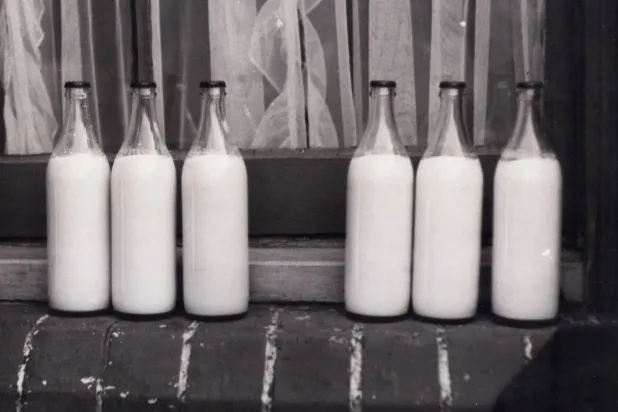
Raw milk is gaining popularity in the United States, driven by a wave of claims circulating on social media that describe it as more beneficial than pasteurized milk.
Raw milk is gaining increasing popularity in the United States, driven by a wave of claims circulating on social media that describe it as more beneficial than pasteurized milk, even going so far as to claim that it helps improve digestion, strengthen immunity, and alleviate dairy allergies. However, health experts confirm that these claims lack scientific evidence and warn that drinking unpasteurized milk may expose consumers to serious health risks.
According to The New York Times, a recent survey showed that about 4 percent of participants said they had drunk raw milk at least once during the past year, while consumer data revealed that its sales rose by more than 17 percent during 2024.
This increasing demand is partly due to the spread of information on social media and other platforms claiming that raw milk has higher nutritional value than pasteurized milk, does not cause dairy allergies, and has other health benefits. However, experts confirm that these claims are false, and that choosing to drink raw milk could have serious health consequences, according to Health.
What is raw milk?
Raw milk is milk that has not undergone pasteurization, meaning it goes directly from the cow's udder to the consumer without heat treatment aimed at eliminating microbes.
Pasteurized milk, on the other hand, undergoes a heating process at a specific temperature sufficient to kill harmful bacteria and prevent their growth, without significantly affecting the nutritional value of the milk.
Pasteurization makes milk and dairy products safer for consumption and also helps extend their shelf life.
Caroline Sawers, a nutritionist and certified wellness coach, told Health: 'Routine pasteurization of milk began in the United States during the 1920s and became widespread by the 1950s, with the aim of reducing contamination and preventing diseases transmitted to humans.'
Pasteurized milk may contain slightly lower levels of some vitamins (Pixels)
Does raw milk have additional health benefits?
The belief that raw milk is healthier and richer in nutrients than pasteurized milk is one of the main reasons driving consumers to seek it.
It is true that pasteurization may lead to a slight decrease in the levels of some vitamins in milk, but this effect is not as significant as some believe.
Pasteurization slightly reduces levels of vitamin B12, vitamin E, vitamin C, folate, and vitamin B2 (riboflavin). However, the overall impact on these micronutrients remains minimal, especially since cow's milk does not naturally contain high amounts of these vitamins.
Some people also claim that raw milk helps treat lactose intolerance, prevent osteoporosis, improve digestion, and enhance immune function.
However, the U.S. Food and Drug Administration (FDA) confirms that these claims are not based on scientific evidence, and there are no studies proving these benefits.
Why is pasteurized milk safer?
Although pasteurized milk may contain slightly lower levels of some vitamins, experts emphasize that the real difference between it and raw milk lies in safety.
Casey Barnes, a registered dietitian, says: 'The fundamental difference between milk sold in stores and raw milk is safety.'
She explained to Health that raw milk may contain dangerous bacteria such as Campylobacter, E. coli, Listeria, and Salmonella, which are microorganisms that can cause foodborne illnesses.
People suffering from these illnesses, also known as food poisoning, experience symptoms including diarrhea, nausea, vomiting, and fever. In rare cases, the infection may develop into serious complications that can be life-threatening.
Pasteurization eliminates these harmful microbes, making milk safer for consumption.
Pasteurization not only kills bacteria but also inactivates viruses that may be present in cow's milk, including the H5N1 avian influenza virus, which has spread in dairy cattle herds in the United States since 2024.
For this reason, experts emphasize that pasteurized milk remains the safest option, as data indicates that raw dairy products are about 840 times more likely to cause illness compared to pasteurized dairy products."); googletag.cmd.push(function() { onDvtagReady(function () { googletag.display('div-gpt-ad-3341368-4'); }); }); }
Original source: Asharq Al-Awsat






Comments (0)
Be the first to comment.