Early surveillance and veterinary quarantine enhance prevention of zoonotic diseases
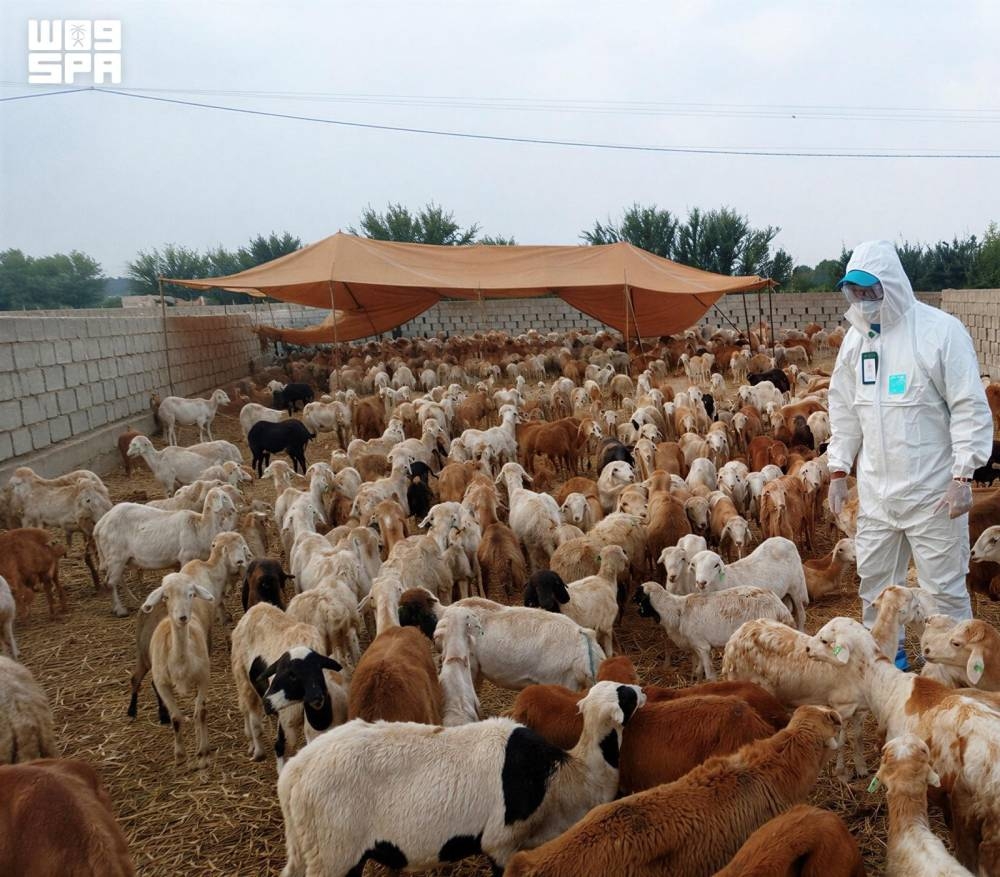
The Kingdom is intensifying its efforts to prevent zoonotic diseases through an integrated system aimed at preventing disease entry, early detection, and limiting spread, thereby enhancing health security and food sustainability. Veterinary quarantine The National Center for the Prevention and Control of Plant Pests and Animal Diseases (WEQAA) plays a pivotal role in this field by implementing early surveillance and monitoring programs, rapid response to reports, applying veterinary quarantine and vaccination procedures, in addition to conducting laboratory tests to ensure animals and their products are free from zoonotic diseases. The center also applies biosecurity measures on farms, public benefit markets, and animal facilities to reduce the risk of disease transmission, alongside implementing awareness programs targeting breeders, veterinarians, and the community to introduce prevention methods and proper breeding practices. Information exchange WEQAA enhances its efforts by coordinating with government agencies and international organizations, exchanging information, and implementing disease control programs, supporting the 'One Health' approach that links human, animal, plant, and environmental health, thereby contributing to disease prevention and control. These efforts focus on several zoonotic diseases, most notably rabies, brucellosis, and Rift Valley fever, coinciding with World Zoonoses Day, which aims to raise awareness about the importance of preventing diseases that transmit between animals and humans, and integrating efforts to protect public health. Surveillance and monitoring - Early detection of diseases and limiting their spread. - Protecting human and animal health. - Enhancing health security and food sustainability. - Implementing early surveillance and monitoring programs in animals. - Rapid response to outbreak reports. - Applying veterinary quarantine and vaccination programs. - Applying biosecurity measures on farms and public benefit markets
< Previous PageNext Page >
Original source: Al-Watan




Comments (0)
Be the first to comment.