Environment / 'Peace Lily' and 'Spider Plant' Among the Most Famous.. Indoor Plants: Aesthetic Element and Multiple Health Benefits
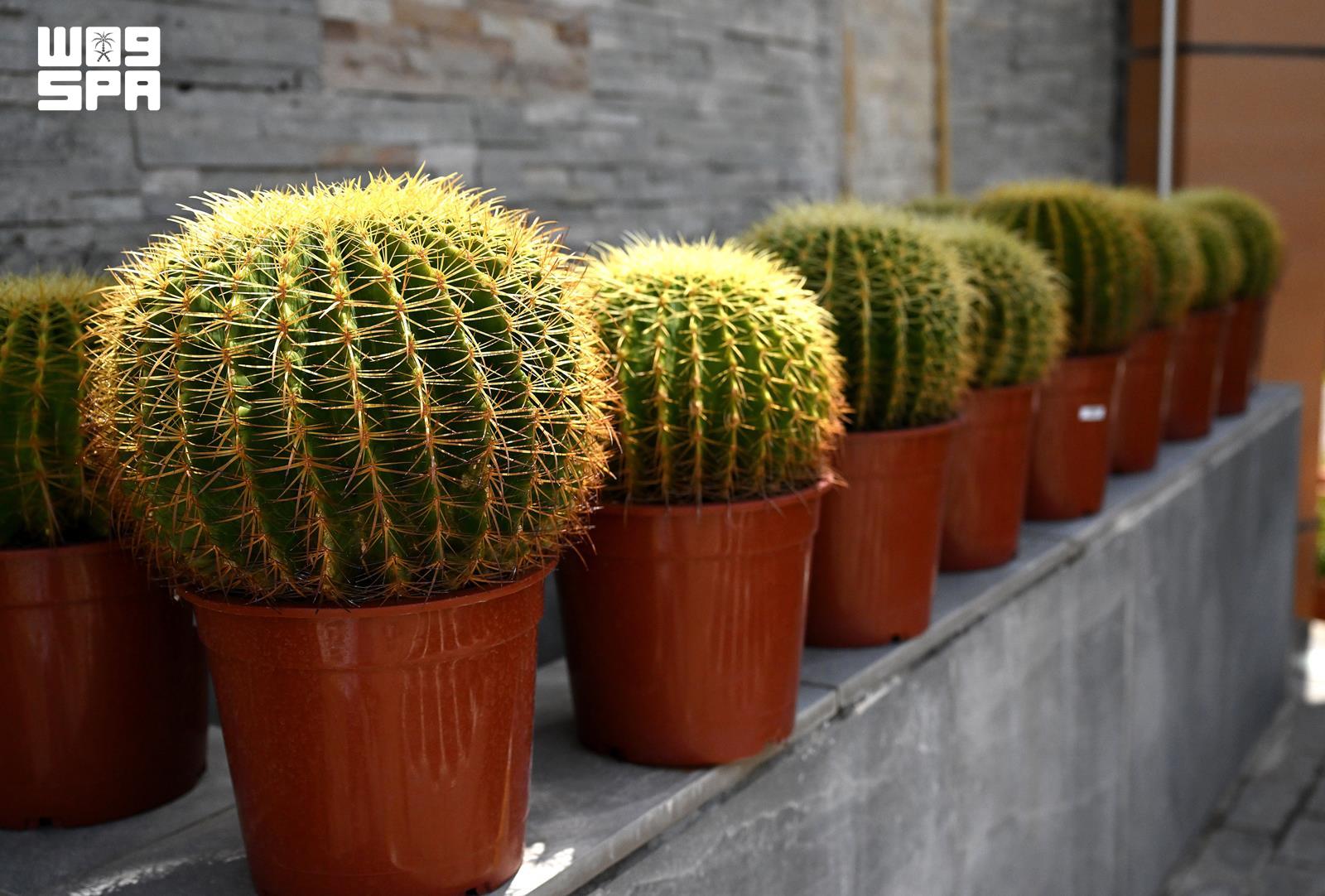
Dammam, Safar 2, 1448 AH corresponding to July 16, 2026, SPA - Prepared by: Malik Al-Alqam. Indoor plants add aesthetic and vibrant touches to homes, offices, and enclosed spaces, and represent an essential element in their identity and interior design, in addition to contributing to improving the quality of life, raising the level of psychological comfort, and giving the place a natural character that enhances the feeling of calm and balance. The importance of these plants is not limited to that, but extends to multiple health benefits, including environmental benefits such as improving and purifying air quality, and psychological benefits such as reducing feelings of tension and stress, in addition to enhancing focus and productivity in work environments, which has made them a preferred choice for many workplaces. Plant specialists confirm that the success of indoor plants depends on choosing the right species for the nature and environment of the place, in terms of lighting, temperatures, and humidity levels, while adhering to appropriate watering programs and soil care to maintain root health and prolong plant life. Meanwhile, interior design enthusiasts believe that integrating plants with natural lighting elements and modern furniture enhances the beauty of the place and creates a more welcoming environment. Professor of Ornamental, Medicinal and Aromatic Plants at King Faisal University, Dr. Nahed Mustafa Rashid, explained that indoor plants are characterized by their ability to grow in limited lighting conditions and moderate temperatures, in addition to their attractive green leaves and sizes suitable for enclosed spaces. She added that these plants contribute to improving air quality indoors by absorbing carbon dioxide and releasing oxygen, and help increase relative humidity and reduce the feeling of dryness, noting that studies have confirmed that some indoor plants have the ability to absorb a number of volatile organic compounds, such as formaldehyde, toluene, and xylene, which are pollutants that may be emitted from paints, furniture, and cleaning materials. Dr. Nahed explained that to maintain the health of indoor plants, it is recommended to place them in areas with appropriate lighting, away from direct sunlight for most species, water them moderately according to the needs of each plant, and avoid waterlogging the soil. Leaves should also be cleaned of dust periodically, plants should be fertilized during the growing season, and they should be inspected regularly to detect any insect or disease infections and treat them early. Associate Professor of Mental Health at King Faisal University, Dr. Montaser Kamal El-Din Mohamed, confirmed that indoor plants play a major role in improving the psychological state and feeling of relaxation, as they contribute to reducing feelings of tension, improving mood and psychological well-being, increasing the sense of comfort and tranquility, improving concentration and attention, and reducing mental fatigue during tasks that require cognitive effort. He pointed out that a number of studies have indicated that the presence of indoor plants helps lower blood pressure, improve memory, reduce stress, and provide a sense of familiarity, thereby reducing feelings of loneliness and anxiety. Nurseries and tree markets in the Eastern Province are witnessing a wide diversity in indoor plants in terms of size, shape, color, and scent, while several species top the list of most demanded plants, most notably: Spathiphyllum (Peace Lily), Spider Plant, Rubber Fig, Areca Palm, Sansevieria, Zamia, Pothos, Monstera, Dieffenbachia, Dracaena, Philodendron, Schefflera, Calathea, Aglaonema, in addition to cacti such as Aloe Vera, Echeveria, Haworthia, and other plants. Nurseries and online stores provide hundreds of varieties of plants and flowers in different sizes and prices, in addition to offering plant coordination and care services, amid increasing awareness of the importance of indoor green spaces and their role in improving the quality of life, in line with the objectives of Saudi Vision 2030 aimed at enhancing quality of life and environmental sustainability. // End // 19:36 T M 0158
Original source: SPA






Comments (0)
Be the first to comment.