A Drug That Could Revolutionize Alzheimer’s Treatment Before Symptoms Appear
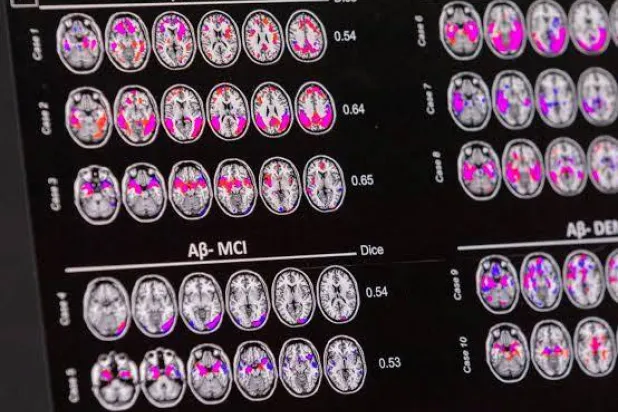
A new Alzheimer's drug could help prevent dementia before symptoms appear.
A new Alzheimer's drug could help prevent dementia before symptoms appear, with research suggesting it can clear toxic brain plaques in just three months.
The drug trontinemab, given monthly via intravenous infusion, will be offered to about 1,600 people with no memory problems but at risk of developing the disease, to see if it can delay the onset of symptoms.
Scientists have described this pioneering trial as potentially game-changing, opening the door to the routine use of 'statins for the brain' for middle-aged people, according to The Telegraph.
The trial's third phase—the final stage of testing before approval of the new treatment—will use blood tests to identify those most likely to benefit from participation.
Trontinemab, produced by Swiss pharmaceutical company Roche, works by removing sticky amyloid plaques that accumulate in the brain and cause this degenerative disease. The treatment could prevent any signs of dementia in individuals.
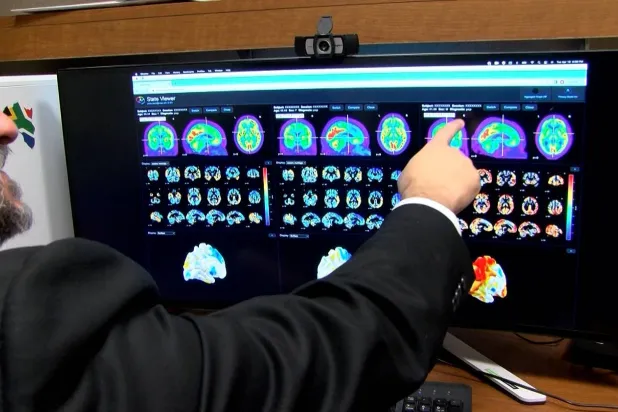
Trontinemab is produced by Swiss pharmaceutical company Roche (Archive photo - Reuters)
A study presented at the Alzheimer's Association International Conference in London showed that blood tests can identify healthy older adults at highest risk of developing the disease.
Dr. Maria Carrillo, chief science officer of the Alzheimer's Association, said: 'This is the future of Alzheimer's care—targeting the earliest stages of the disease, including the silent stage before memory problems appear. At this stage, treatments could be more beneficial and may even prevent people from developing dementia symptoms altogether.'
Data indicate that people who test positive have approximately an 80% chance of developing cognitive impairment within a decade.
Trontinemab is a next-generation drug following lecanemab and donanemab, the first two Alzheimer's treatments proven to slow disease progression. Trontinemab is designed to reach the brain more efficiently than its predecessors and appears to have fewer side effects, potentially reducing the need for medical monitoring and thus lowering costs.
New research indicates that trontinemab can remove amyloid plaques much faster than current treatments.
Hilary Evans-Newton, chief executive of Alzheimer's Research UK, said: 'Science is accelerating, and every new discovery brings us closer to a future where diseases can be diagnosed and treated at very early stages.' She added: 'In the next five to ten years, we will see a radical shift in possibilities, including the potential to develop treatments that help protect brain health before symptoms worsen, known as a "brain statin".'
Scientists used data from 178 patients who received treatment, along with 477 brain scans, to model the drug's performance in a broader clinical trial.
Trontinemab is administered intravenously in hospital, and analyses suggest that the brains of patients who received the highest dose would be free of the dementia-causing amyloid protein after three monthly doses.
Data show that additional doses every three months are sufficient to maintain low plaque levels for 18 months.
It remains unclear whether the drug's ability to clear plaques also prevents cognitive decline, as with previous Alzheimer's drugs.
Read more
Original source: Asharq Al-Awsat





Comments (0)
Be the first to comment.