Cholera Strikes West Kordofan: 30 Dead, 800 Infected Amid Calls for Help
Cholera Strikes West Kordofan: 30 Dead, 800 Infected Amid Calls for Help
July 5, 2026 - 22:02 | Last update July 5, 2026 - 22:02
Follow Okaz channel on WhatsApp
Mohammed Al-Sahi (Cairo)
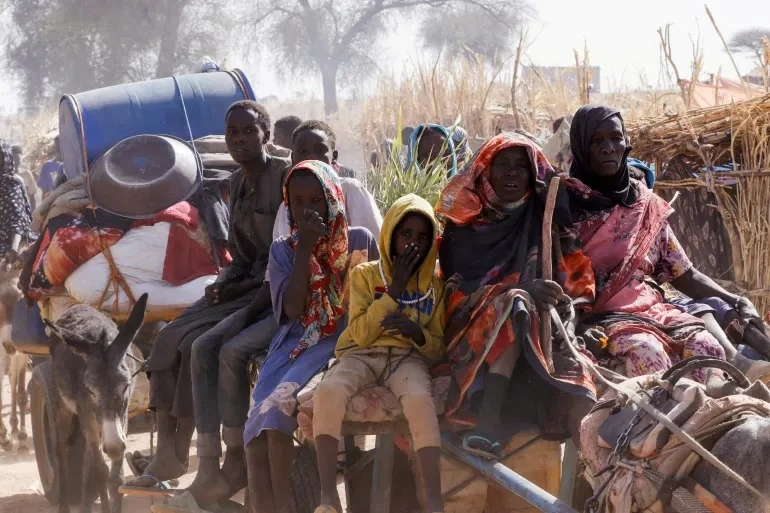
The health crisis in Sudan is worsening as a cholera outbreak continues in West Kordofan state. The ‘Dar Hamar Emergency Room’ announced on Sunday 30 deaths and nearly 800 infections since the disease began spreading on June 20, warning of deteriorating health conditions and medical supply shortages.
In a statement, the body said the epidemic has spread to Wad Banda and Al-Nahud localities and several neighboring villages, noting that infections have been recorded in more than 25 villages, amid growing need for urgent health and humanitarian interventions to contain the outbreak.
It added that the stock of diabetes medicines in the northern areas of West Kordofan state has completely run out, compounding residents’ suffering, especially given limited health services and difficulty accessing medical supplies.
**media«2732744»**
The body appealed to humanitarian organizations and local and international health authorities to intervene quickly to provide medicines, intravenous fluids, and necessary medical supplies, along with intensifying awareness campaigns to curb the spread of the epidemic, calling on citizens to adhere to preventive measures and cholera control guidelines.
The Sudanese Ministry of Health had announced last Tuesday the registration of 911 cholera cases in West and North Kordofan states, including 127 deaths, indicating an expansion of the outbreak and worsening health crisis in the region.
The cholera outbreak comes as the three Kordofan states are experiencing deteriorating security conditions, with ongoing clashes between the Sudanese army and the Rapid Support Forces, which has disrupted basic services and weakened health facilities' ability to respond to the growing needs of the population.
Since the outbreak of war between the Sudanese army and the Rapid Support Forces in April 2023, Sudan has seen a severe deterioration in the health sector, with a large number of hospitals and medical centers out of service, and damage to water and sanitation networks, creating a favorable environment for the spread of epidemic diseases, most notably cholera.
Cholera is an acute bacterial disease often transmitted through contaminated water or food, and can lead to death within hours if the patient does not receive appropriate treatment.
International organizations stress that improving water and sanitation services, along with rapid provision of intravenous fluids and medicines, are the two key factors to reduce the spread of the disease and lower mortality rates, especially in areas affected by conflict and humanitarian crises.
Original source: Okaz




Comments (0)
Be the first to comment.