Congo: Ebola Continues Spread and US Travel Warning

The outbreak of the Ebola virus in the Democratic Republic of the Congo is continuing at an alarming pace, with its spread extending to two new provinces in the northeast of the country, as the United States issued a warning to its citizens against traveling there, cautioning about the serious health risks that exposure to the virus may cause.
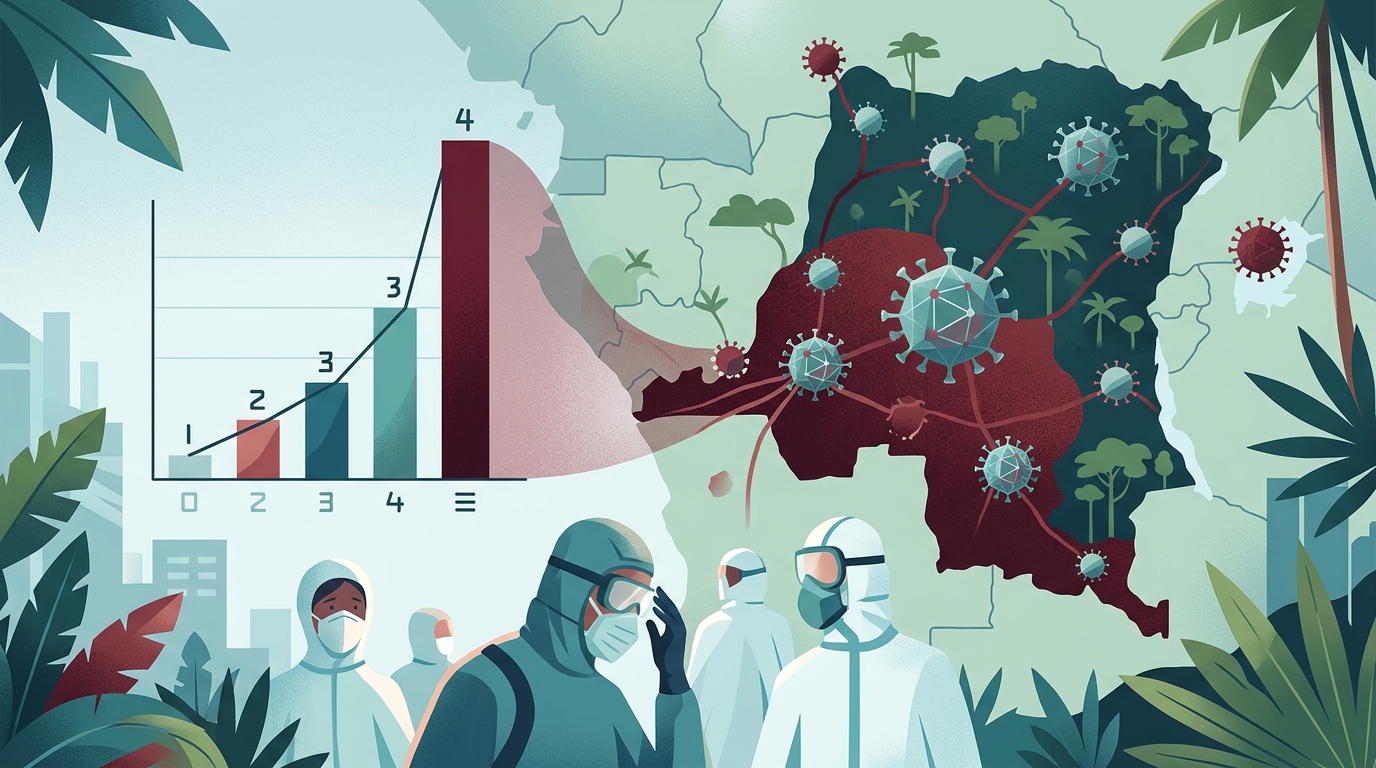
Meanwhile, the National Institute of Public Health in the DRC announced in its latest report that the outbreak has spread to the provinces of Haut-Uélé and Tshopo, after having been mainly concentrated in Ituri province, while official data released Sunday evening showed that the number of confirmed Ebola cases has risen to 1,926, including 702 deaths. Tshopo province recorded four confirmed cases, two of whom died, while one death was confirmed in Haut-Uélé province on Saturday.
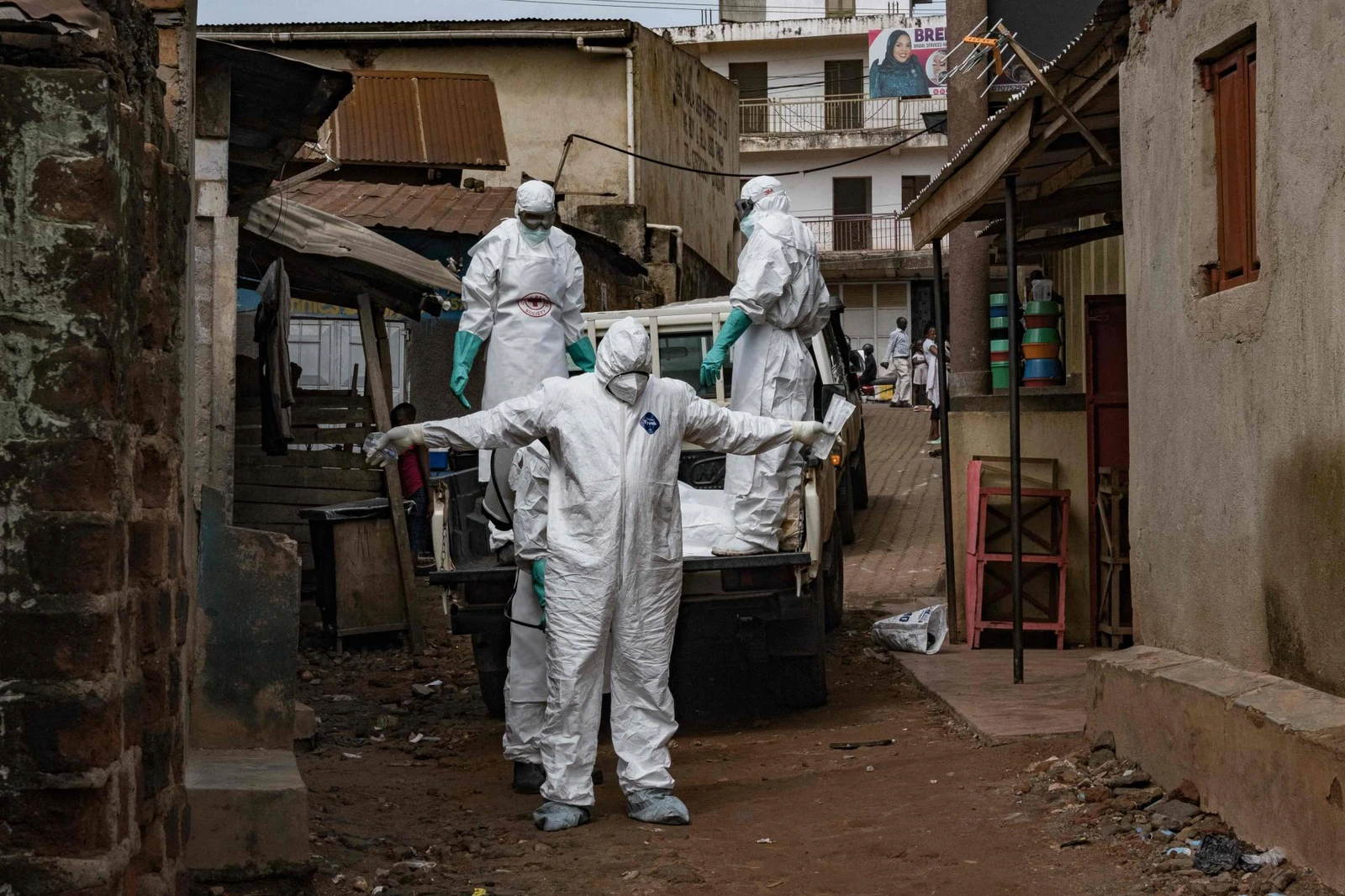
Authorities had announced in mid-May the start of the current outbreak, the 17th in the country's history, initially concentrated in Ituri province, before cases were also recorded in North Kivu and South Kivu provinces. The Ebola virus is transmitted through direct contact with infected individuals or their bodily fluids, and can also be transmitted from infected animals to humans, causing symptoms including fever, vomiting, and internal and external bleeding, and is considered one of the deadliest viral diseases.
Furthermore, health authorities began tracking potential contacts in Tshopo and Haut-Uélé provinces in late June, but the two provinces were not included in the outbreak areas in daily government reports.
The National Institute of Public Health said that investigations indicate that all detected cases in the two provinces originally came from the city of Nyanya in Ituri province, but stressed the need to consider Haut-Uélé and Tshopo as part of the epidemic outbreak area. The expansion of the outbreak is particularly significant given that the city of Kisangani, the capital of Tshopo province, is one of the largest cities in the country, while Haut-Uélé province borders South Sudan and the Central African Republic, raising concerns about cross-border transmission.
Video Player is loading.
Current Time 0:00
Duration 1:07
Loaded: 0%
Remaining Time 1:07
A senior WHO official warned last week that the true size of the outbreak could be two to four times larger than official figures, explaining that about four out of five new infections have no known epidemiological link to confirmed cases, complicating containment efforts.
Earlier, the Director of the Emergency Response Program at the WHO Regional Office for Africa, Patrick Otim, told Al Arabiya/Al Hadath that the restrictions imposed by authorities in the DRC on public gatherings in some areas do not mean that the Ebola outbreak is out of control, but rather come as part of precautionary measures based on risk assessment to limit transmission.
US Travel Warning
Meanwhile, the US Embassy in Kinshasa issued an alert urging US citizens not to travel to the Democratic Republic of the Congo for any reason due to the Ebola outbreak. The embassy stressed that potential exposure to the virus could pose a serious risk to life, noting that travelers may be required to undergo quarantine outside the United States for up to 21 days at their own expense, with insurance companies likely not covering those costs.
It added that the US government provides a voluntary mechanism to assist citizens suspected of exposure to the virus, ensuring they receive appropriate and life-saving medical care, while those who refuse to utilize this mechanism will remain subject to the health screening and travel procedures applied by US authorities and host countries.
The embassy concluded its alert by reiterating its clear call: 'Do not travel to the Democratic Republic of the Congo for any reason.'
In a related development, German health authorities announced the transfer of a second US citizen infected with Ebola from the DRC to Germany for treatment, about two months after receiving the first US patient. A spokesman for the German Health Ministry said the patient arrived at Frankfurt Airport overnight before being transferred to the university hospital in the city.
The US Centers for Disease Control and Prevention (CDC) had clarified that the infected person works for a humanitarian organization in the DRC, and tests confirmed he was infected with the Bundibugyo strain, the strain currently circulating in the country, without revealing further personal details.
Advertisement material
Advertisement material
Original source: Al Arabiya



Comments (0)
Be the first to comment.