Consultant to 'Al-Youm': 'Testosterone' Outside the Medical Clinic Poses Risk to Athletes

A consultant warns that using testosterone without medical supervision is dangerous and illegal, urging athletes to avoid it for muscle building.
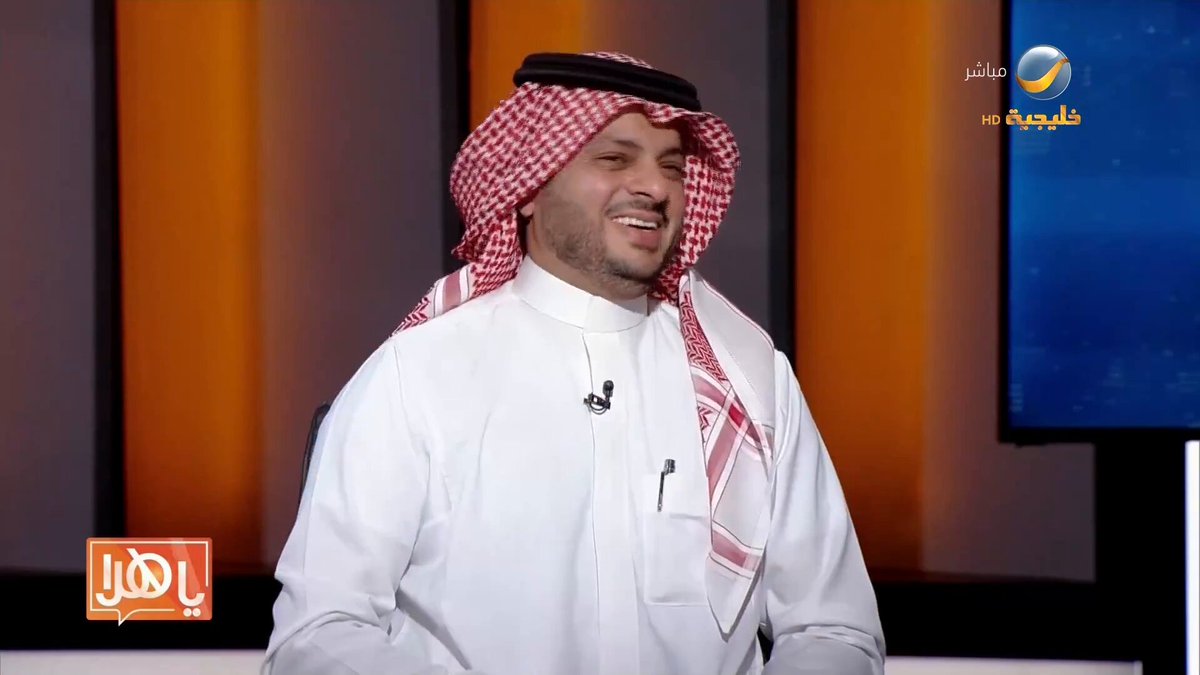
Professor of Pediatrics and Endocrinology at King Abdulaziz University Faculty of Medicine, and Consultant of Endocrinology and Pediatric Diabetes, Abdulmoeen Eid Al-Agha, confirmed to "Al-Youm" that testosterone medication is used to treat specific medical conditions, not as a means to build muscle or improve physical appearance.
He explained that using it without medical supervision could expose trainees to serious health complications and violates health regulations in the Kingdom, noting that sports clubs have witnessed increasing demand in recent years from those seeking to improve their physical fitness and increase muscle mass.
Dangerous Practices
While sports represent one of the most important pillars of health and quality of life, incorrect practices have emerged that demand firm intervention, the most dangerous of which is the promotion of testosterone hormone use by some sports club trainers or non-specialists, claiming it is the fastest way to build muscle and improve physical performance.
Related News
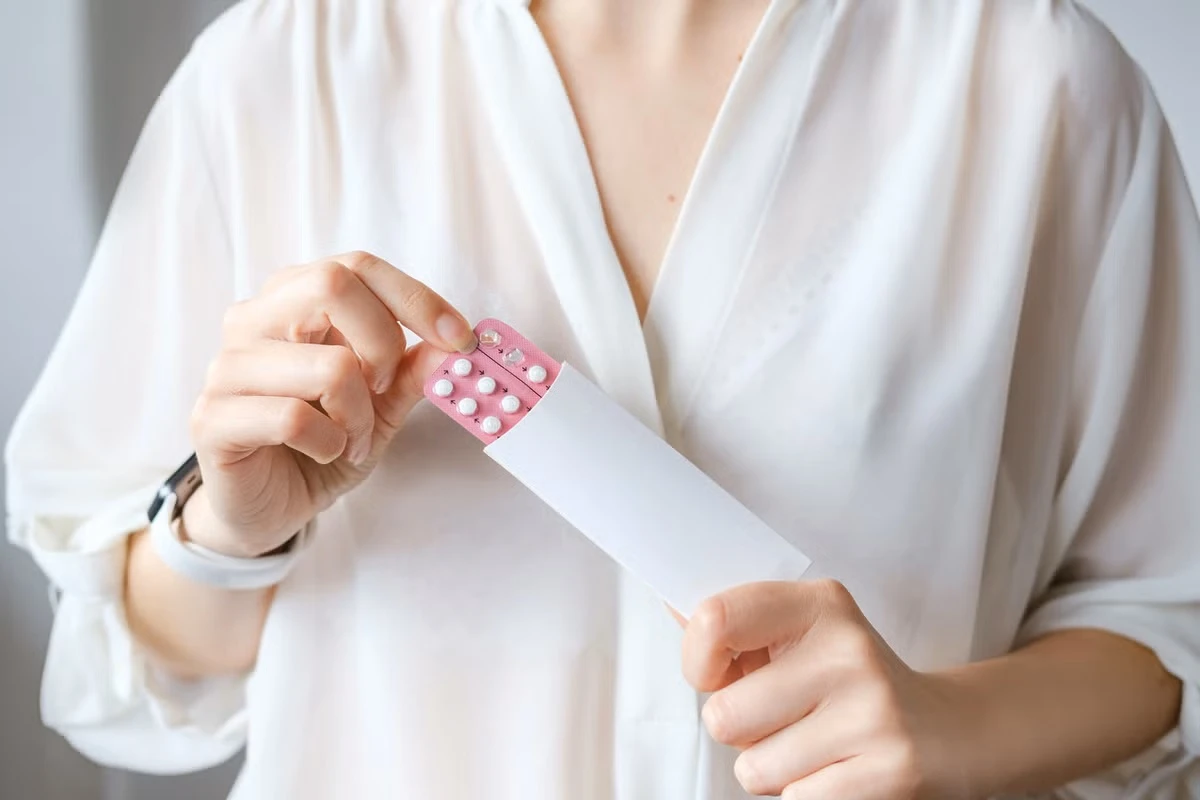
Al-Agha said that testosterone hormone is not a dietary supplement or a sports stimulant, but rather a hormonal drug with specific indications for use, and it is only prescribed after an accurate diagnosis confirming a genuine deficiency in the hormone, under continuous medical supervision. Using it in healthy individuals to increase muscle mass or improve appearance is non-medical use, rejected by scientific evidence and not recommended by specialized medical associations.
He explained that studies have proven that misuse of testosterone may lead to serious health complications, including suppression of natural hormone secretion, testicular atrophy, decreased sperm production, and possibly infertility. It also increases the likelihood of high blood pressure, heart and brain clots, blood lipid disorders, elevated red blood cell count, and may affect liver function, in addition to psychological and behavioral disorders including mood swings, aggression, depression, and psychological dependence on these preparations.
Pure Medical Responsibility
He pointed out that the most dangerous is that some trainees may obtain these injections or preparations based on non-medical advice, or from unknown sources, without any laboratory tests or health assessment, which multiplies the likelihood of complications and delays their detection. He explained: Here, it should be emphasized that the role of the sports club trainer is to supervise training programs and improve physical fitness, not to diagnose diseases, prescribe treatments, or recommend hormone use. This is a pure medical responsibility that can only be practiced by licensed physicians. Exceeding this limit is not only a professional violation, but may expose trainees to serious health risks and warrants accountability if any harm occurs. Dr. Al-Agha stated that hormonal medications in the Kingdom of Saudi Arabia are subject to strict regulation and control, and can only be dispensed with a regular prescription. Any activity related to diagnosing diseases, prescribing treatment, or recommending medications outside the scope of professional license is a violation of health regulations and subjects the perpetrator to accountability according to applicable systems.
Abdulmoeen Eid Al-Agha
He added: Furthermore, using hormones and stimulants to improve athletic performance contradicts the principles of clean sports and may expose athletes to penalties in official competitions. He continued: Building muscle in a healthy way is not achieved by an injection or medication, but rather depends on a scientific training program, balanced nutrition, adequate sleep, and consistency in exercise.
A Hazardous Path
He explained that any path promising quick results through hormone use outside medical supervision is a hazardous path, and its health, psychological, and legal consequences may be costly. Dr. Al-Agha concluded by saying that protecting trainees in sports clubs is a shared responsibility among health and regulatory authorities, club administrations, trainers, families, and media, through spreading health awareness, confronting non-systematic practices, and promoting a culture of consulting a specialist doctor before using any hormonal treatment. He continued: From all of the above, I reaffirm here that testosterone is a therapeutic drug, not a means to build muscle, and human health should not be subject to experiments, trade, or misleading promises. Health awareness, adherence to regulations, and consulting a specialist doctor are the true foundations for protecting community members and achieving a safe sports environment that enhances health and quality of life, in line with the goals of Saudi Vision 2030.
Original source: Al-Yaum




Comments (0)
Be the first to comment.