Discovery of 17 Genetic Mutations Linked to Sudden Cardiac Death and a Saudi Medical Achievement

Key health developments include the discovery of genetic mutations explaining sudden cardiac death, a tally of heat wave victims in France and Ebola in the Congo, along with the first kidney transplant at the Security Forces Hospital in Riyadh.
The health sector witnessed multiple developments today, covering heart diseases, preventive nutrition, as well as epidemic news and medical achievements. Here is a look at the most prominent reports in this field over the past few hours.
From the discovery of genetic mutations explaining sudden cardiac death, to unexpected daily factors increasing the risk of heart attacks, through the benefits of nutrition in boosting immunity, to public health challenges such as heat waves and Ebola outbreaks, as well as a Saudi medical achievement in kidney transplantation.
Heart Diseases: Genetic Mutations and Daily Factors
A new study led by researchers from the University of Birmingham has revealed a link between sudden cardiac death and 17 genetic mutations associated with hypertrophic cardiomyopathy, one of the leading causes of sudden death in athletes and healthy individuals. These mutations explain famous cases such as Fabrice Muamba and Christian Eriksen.
Alongside genetic factors, health experts have confirmed that daily factors such as lack of sleep (less than 6 hours), migraines, cold weather, and air pollution may also increase the risk of heart attacks. A study showed that those who sleep less than six hours a night are twice as likely to have heart attacks.
Researchers reveal 17 genetic mutations behind sudden cardiac death
Unexpected daily factors increase the risk of heart attacks
Public Health Challenges: From Heat Waves to Epidemics
The French National Public Health Agency announced 5,764 excess deaths during a severe heat wave between June 17 and July 2, the highest since the summer of 2003. The increase affected all age groups from 15 years and above, with a greater concentration among those over 45.
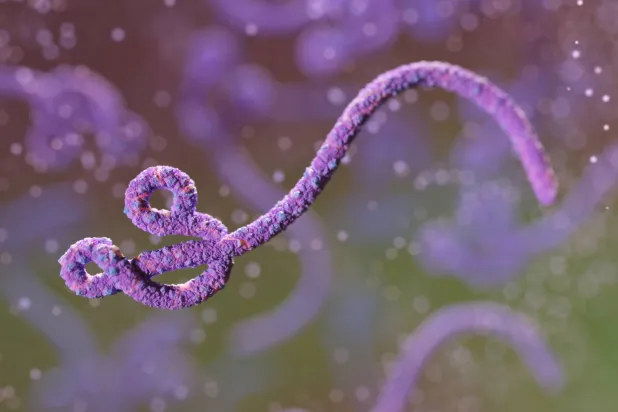
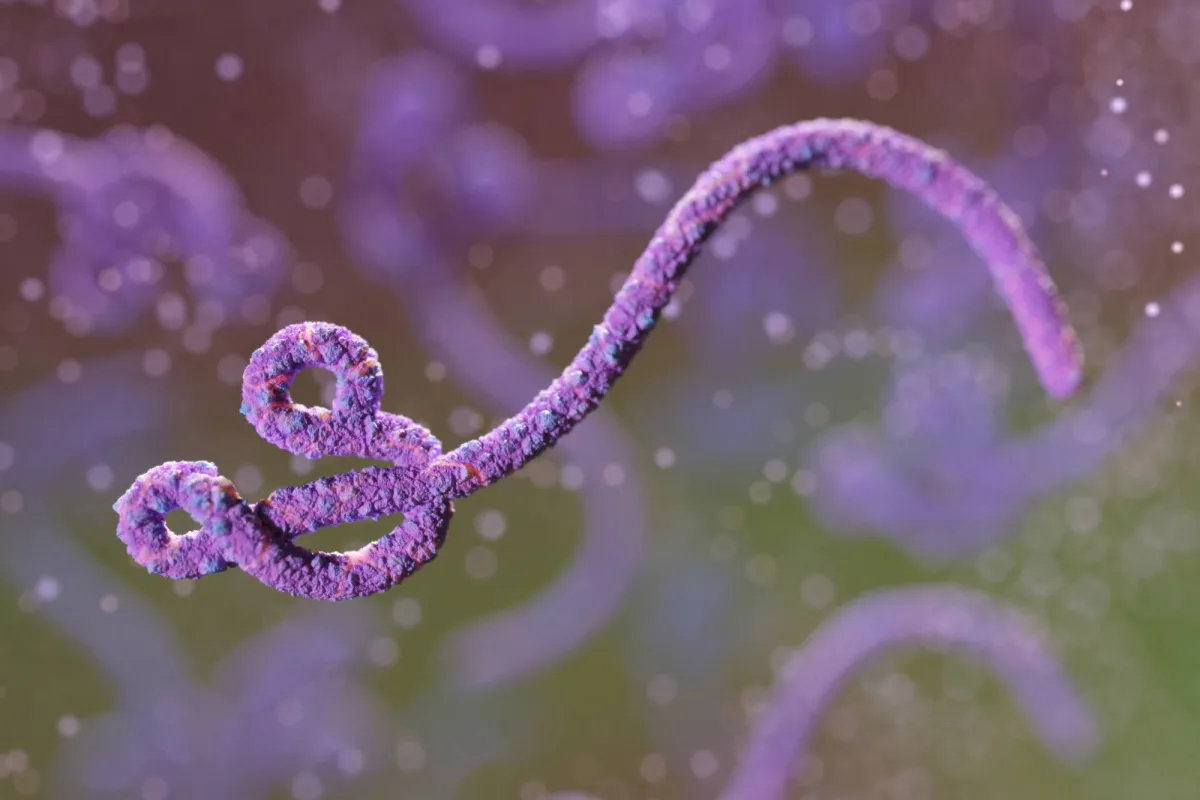
In Africa, the Ebola virus continues to ravage the Democratic Republic of the Congo, with the toll reaching 2,473 confirmed cases and 999 deaths. New cases are concentrated in the Ituri and North Kivu provinces in the east of the country, which suffers from armed conflicts hindering epidemic control efforts. In neighboring Uganda, the toll remained stable at two deaths and 20 cases.
French public health announces unprecedented excess death toll due to severe heat wave
Ebola toll in Congo: 2,473 cases and 999 deaths
Democratic Republic of Congo records 999 deaths and 2,473 confirmed Ebola cases
Nutrition and Immunity: Benefits Starting from Fruits and Spices
Health reports confirmed the multiple benefits of summer peaches; they are rich in fiber, antioxidants, and vitamins A and C, enhancing digestive, heart, skin, and eye health. Cloves also contain powerful antioxidants such as eugenol and vitamin C, helping to stimulate white blood cells and reduce inflammation.
Research also revealed that chocolate milk, despite its added sugar, can aid post-exercise recovery and strengthen bones due to its balanced composition of protein, carbohydrates, and vitamins. As for gelatin, some studies suggest potential benefits for supporting the intestinal lining, but human evidence remains limited.
Numerous health benefits of peaches make them an ideal dietary choice
Effect of daily clove consumption on the body's immunity
Scientific research reveals multiple health benefits of chocolate milk beyond its taste
Scientific study reveals the truth about gelatin's role in protecting the gut and improving digestion
Children's Health and Daily Habits
With the start of summer vacation, parents' concerns about children's screen addiction increase. Psychologists recommend practical strategies to organize children's time and ensure a healthy balance between digital and real-life activities, especially in the absence of the school routine.
Regarding brain health, neurologists review daily habits that protect memory and reduce the risk of dementia, such as taking omega-3 supplements and yeast to combat high cholesterol, along with a healthy lifestyle including balanced nutrition and physical activity.
Experts offer tips for regulating children's screen use during summer vacation
Daily habits followed by neurologists to protect memory and prevent dementia
Medical Achievements and Health Disparities
The medical services of the Saudi Ministry of Interior successfully performed the first kidney transplant at the Security Forces Hospital in Riyadh for a 32-year-old patient, donated by his 35-year-old sister. The operation is part of the organ transplant program to develop specialized care.
In the United States, recent research suggests that people of Arab descent are at higher risk for heart disease and diabetes due to genetic, behavioral, and social factors. Experts call for developing preventive and diagnostic programs tailored to this group.
Security Forces Hospital in Riyadh performs first kidney transplant for a 32-year-old patient
Increasing health risks facing Americans of Arab descent amid calls for specialized care
These news items highlight the diversity of health challenges globally and locally, from genetic diseases to climate and nutritional impacts. Health awareness and prevention remain the best means to confront them, supported by medical and research achievements.




Comments (0)
Be the first to comment.