Disturbing Ebola Outbreak: Over 2,000 Infections and Hundreds of Deaths in the Congo
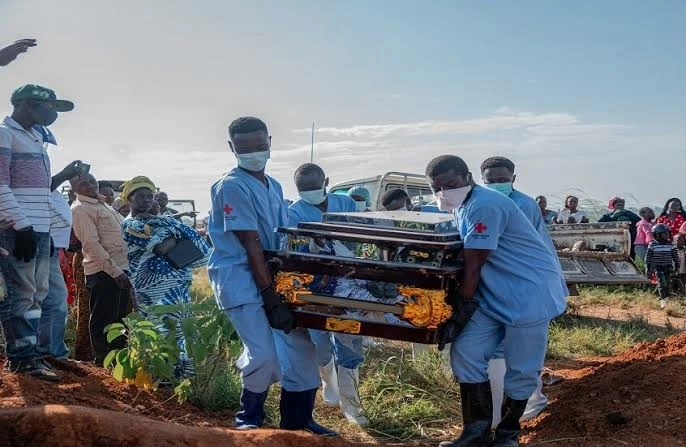
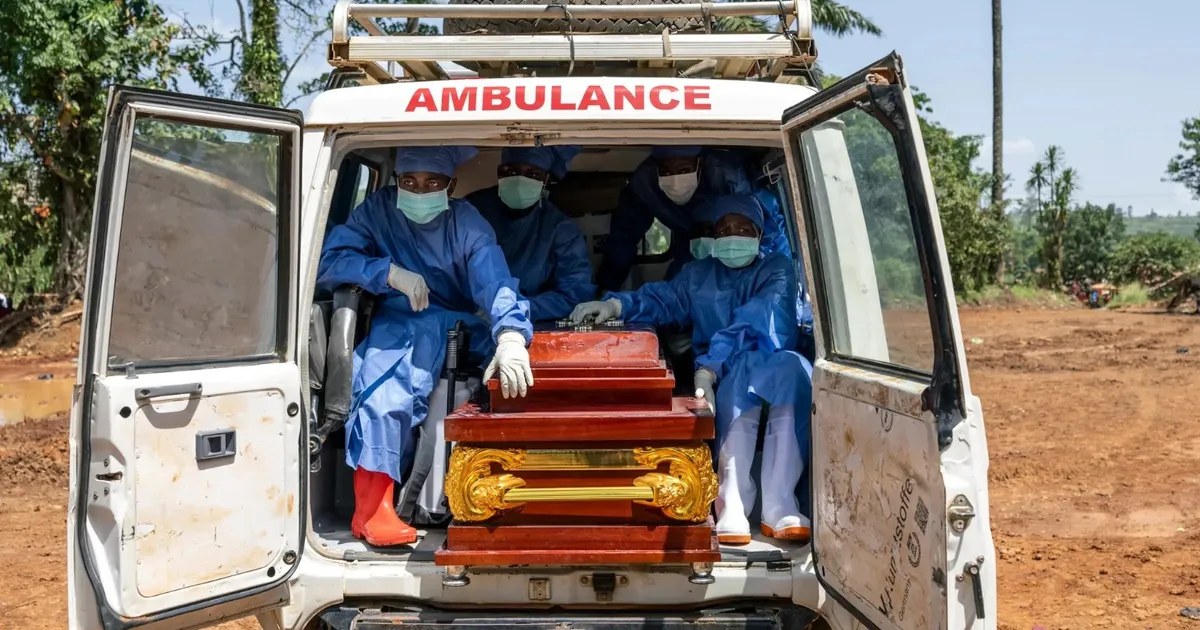
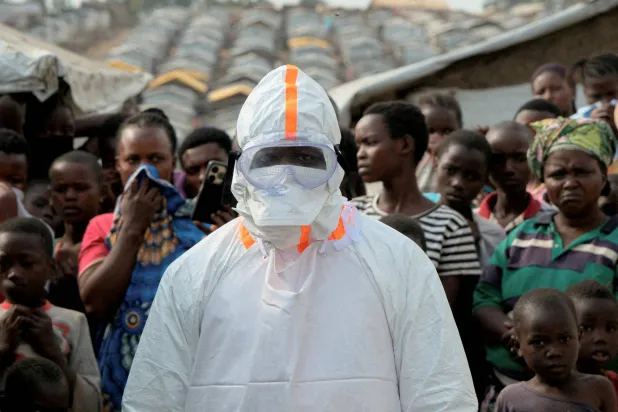
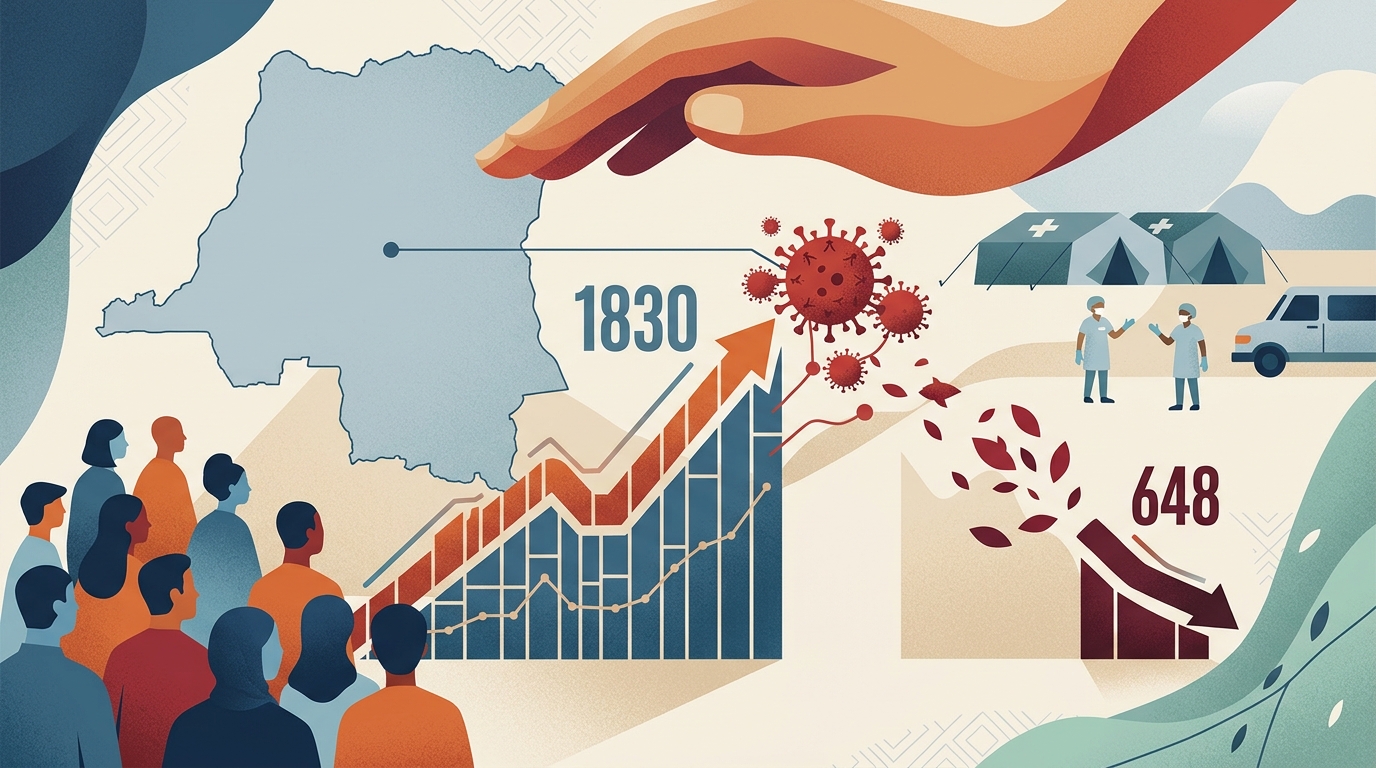
The Ministry of Health in the Democratic Republic of the Congo announced that the number of confirmed cases of the Ebola virus has risen to 2011, including 754 deaths, in the latest indication of the continued rapid spread of the disease, amid warnings about the difficulty of containing the chains of transmission.
The ministry clarified, in official statements, that 753 infected individuals are still under isolation or receiving treatment in hospitals, while 366 people have managed to recover so far. The current health authorities described this as the fastest wave of Ebola virus outbreak the country has ever experienced.
The Congolese government pointed out that efforts to contain the epidemic face significant challenges, the most notable of which is the difficulty in tracking contacts, as the coverage rate of individuals exposed to the infection does not exceed 67%, which increases the likelihood of continued virus spread, especially with the outbreak of the rare "Bundibugyo" strain since mid-May.
For its part, the World Health Organization warned that the epidemiological situation remains concerning, confirming that at least 80% of new infections arise from unknown chains of transmission, complicating the efforts of health response teams and limiting the effectiveness of containment operations.
The Ebola virus is considered one of the most dangerous known viral diseases, causing severe hemorrhagic fever, and the infection is transmitted through direct contact with the blood or body fluids of an infected or deceased person, and it can also be transmitted through contaminated tools and surfaces. The incubation period of the virus ranges from two to 21 days, and its symptoms include severe fever, headache, and muscle pain, which may then develop into internal and external bleeding in advanced cases.
The Democratic Republic of the Congo is one of the countries most affected by Ebola virus outbreaks in recent decades, due to the virus's recurrent presence in certain areas, along with challenges related to health infrastructure and difficulty accessing remote communities.
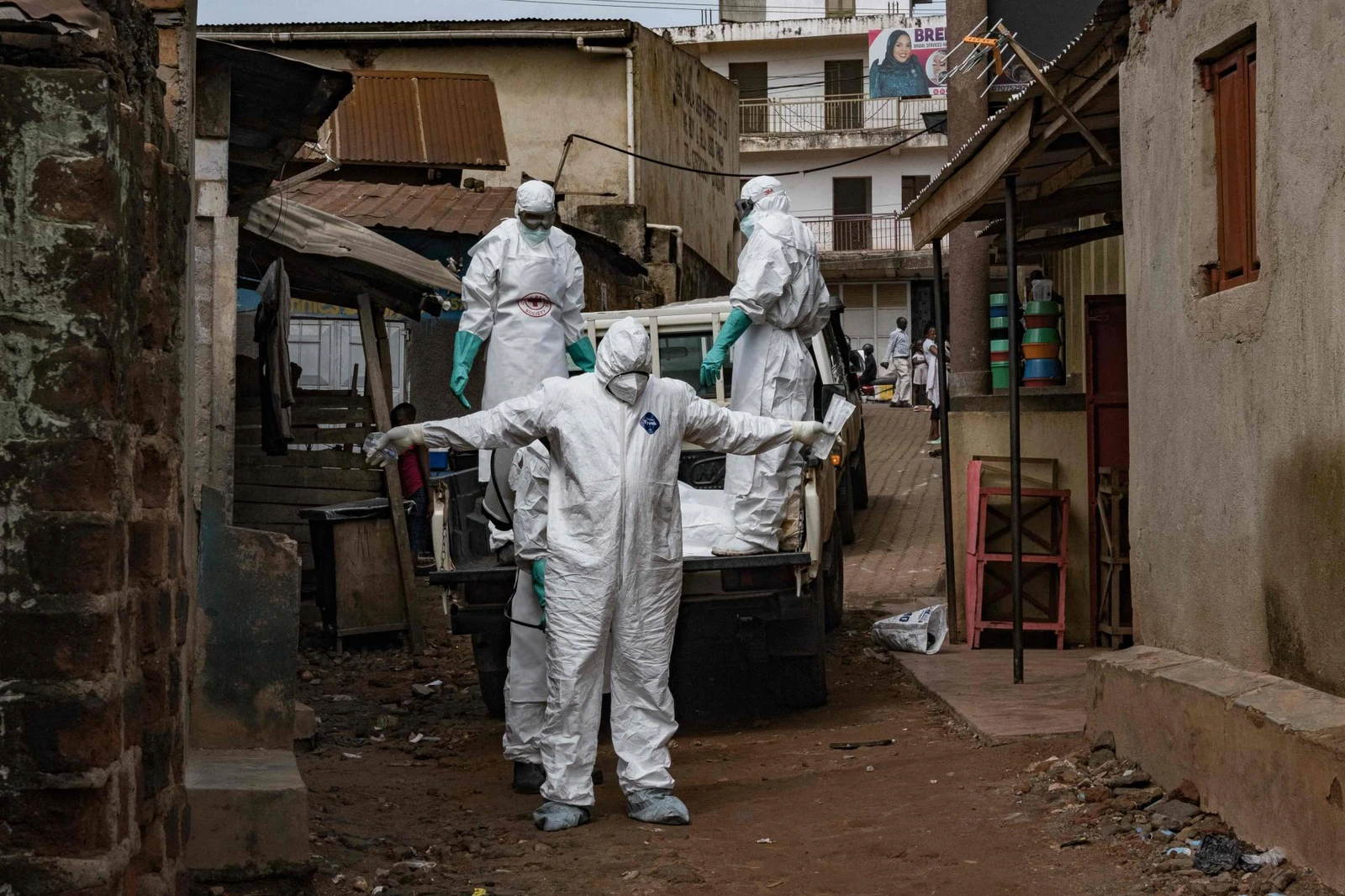
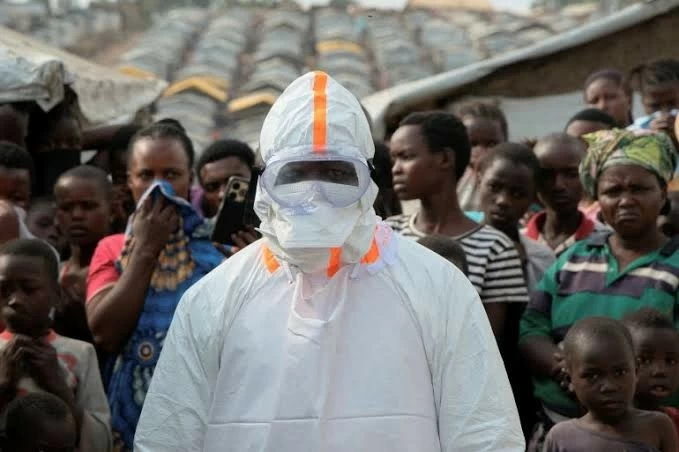
These difficult conditions prompt health authorities, in collaboration with the World Health Organization and their international partners, to intensify epidemiological investigation campaigns, track contacts, and provide vaccinations and treatments to curb the spread of the disease.
The Ministry of Health in the Democratic Republic of the Congo announced that the number of confirmed cases of the Ebola virus has risen to 2011, including 754 deaths, in the latest indication of the continued rapid spread of the disease, amid warnings about the difficulty of containing the chains of transmission.
The ministry clarified, in official statements, that 753 infected individuals are still under isolation or receiving treatment in hospitals, while 366 people have managed to recover so far. The current health authorities described this as the fastest wave of Ebola virus outbreak the country has ever experienced.
The Congolese government pointed out that efforts to contain the epidemic face significant challenges, the most notable of which is the difficulty in tracking contacts, as the coverage rate of individuals exposed to the infection does not exceed 67%, which increases the likelihood of continued virus spread, especially with the outbreak of the rare "Bundibugyo" strain since mid-May.
For its part, the World Health Organization warned that the epidemiological situation remains concerning, confirming that at least 80% of new infections arise from unknown chains of transmission, complicating the efforts of health response teams and limiting the effectiveness of containment operations.
The Ebola virus is considered one of the most dangerous known viral diseases, causing severe hemorrhagic fever, and the infection is transmitted through direct contact with the blood or body fluids of an infected or deceased person, and it can also be transmitted through contaminated tools and surfaces. The incubation period of the virus ranges from two to 21 days, and its symptoms include severe fever, headache, and muscle pain, which may then develop into internal and external bleeding in advanced cases.
The Democratic Republic of the Congo is one of the countries most affected by Ebola virus outbreaks in recent decades, due to the virus's recurrent presence in certain areas, along with challenges related to health infrastructure and difficulty accessing remote communities.
These difficult conditions prompt health authorities, in collaboration with the World Health Organization and their international partners, to intensify epidemiological investigation campaigns, track contacts, and provide vaccinations and treatments to curb the spread of the disease.
Original source: Okaz

Comments (0)
Be the first to comment.