Ebola continues to spread in Democratic Republic of Congo, 702 deaths
Summary: Official data released late Sunday evening showed that the number of confirmed Ebola cases across the Democratic Republic of Congo rose to 1,926, of which 702 have died.
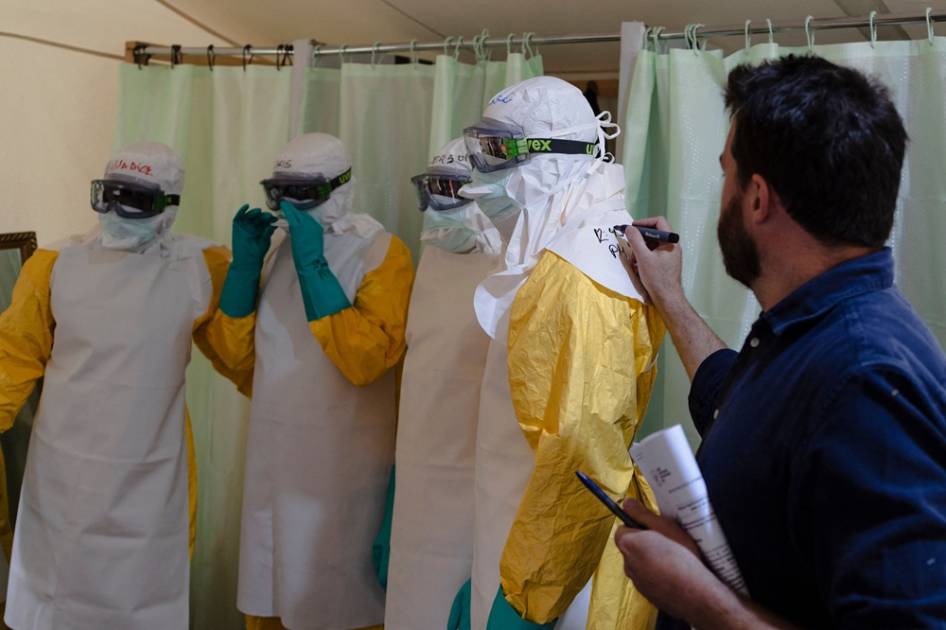
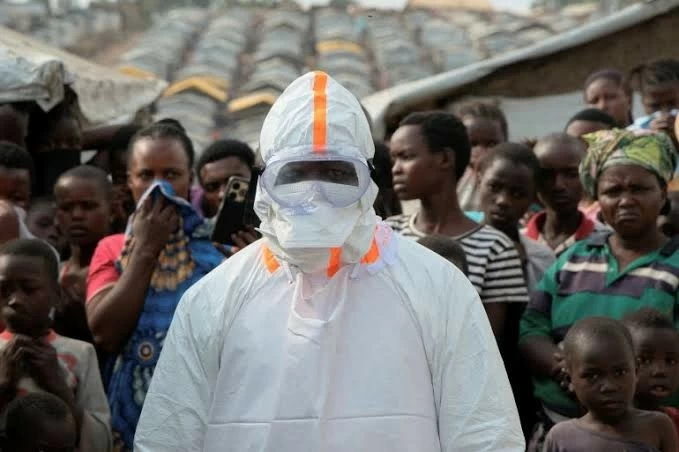
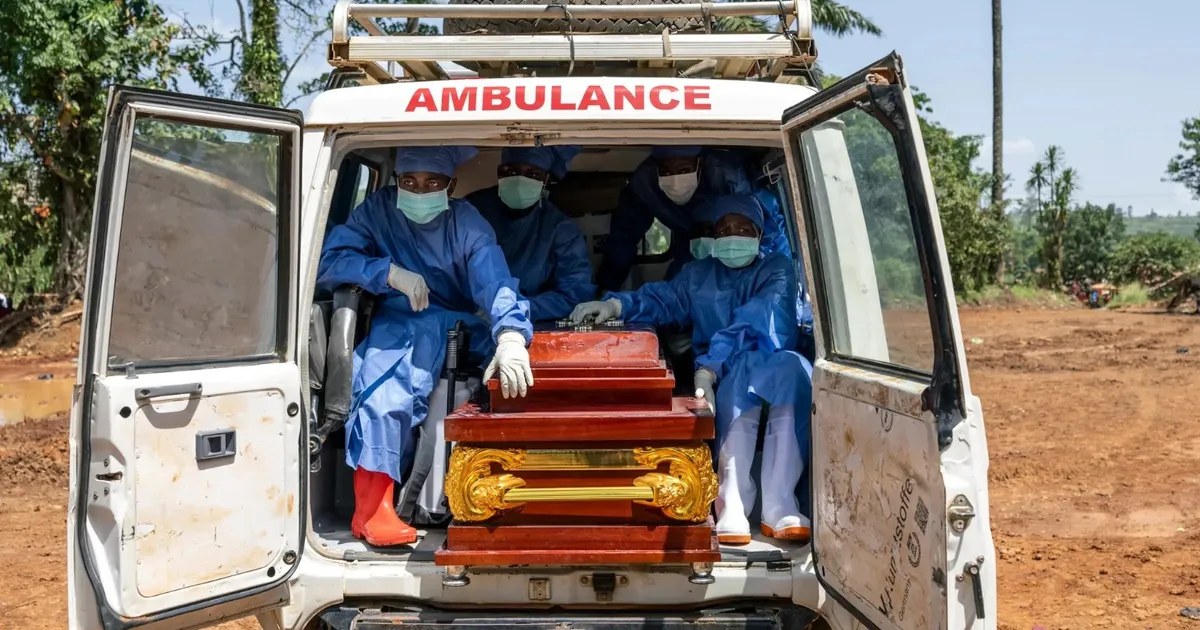
The National Institute of Public Health in the Democratic Republic of Congo said in its latest report that the Ebola outbreak has spread to two additional provinces in the northeast of the country: Haut-Uélé and Tshopo. Official data released late Sunday evening showed that the number of confirmed Ebola cases across the country rose to 1,926, of which 702 have died.
Authorities recorded four cases in Tshopo, of whom two died, and a death from the disease was confirmed in Haut-Uélé last Saturday.
The latest outbreak of the disease in Congo, the 17th, was declared on May 15 last year and has largely been concentrated in Ituri province, with cases also reported in North Kivu and South Kivu provinces.
The viral disease, which is often fatal, spreads through direct contact with bodily fluids of a patient or infected animals, and causes symptoms that may include fever, vomiting, and internal and external bleeding.
Contact tracing
Reuters reported in late June that Congo's health authorities had begun tracking potential contacts exposed to Ebola in Tshopo and Haut-Uélé, but the two provinces were not part of the government's daily report on the outbreak until now.
The National Institute of Public Health said in its report, dated July 11, that "although ongoing investigations indicate that all cases detected in these two provinces are primarily imported from the city of Nyanya in Ituri, it is necessary to consider these provinces as part of the outbreak area."
Kisangani, the capital of Tshopo province, is one of the largest cities in Congo, and Haut-Uélé province borders South Sudan and the Central African Republic.
A senior World Health Organization official told Reuters last week that the true scale of the outbreak might be two to four times what official data suggests, because four out of five new cases have no known link to infected patients.
Oxford launches first clinical trial of vaccine
Meanwhile, the University of Oxford has launched the first human clinical trial of a vaccine against the Bundibugyo strain of Ebola virus, aiming to accelerate efforts to combat the current outbreak in the Democratic Republic of Congo and Uganda. The university said Monday that the trial, still in early stages, will evaluate the safety of the vaccine (ChAdOx1 BDBV) and immune response in 50 healthy adults aged 18 to 55 in Oxford.
In detail, participant selection has begun, and vaccinations are expected to commence in the coming weeks pending regulatory approval.
The vaccine was developed by scientists from the Vaccine Group and the Institute of Epidemiology at the University of Oxford, using the same viral vector platform used in the Oxford/AstraZeneca vaccine for COVID-19. The Serum Institute of India, a partner in this program, said it produced and stored about 620,000 doses of the candidate vaccine within two weeks, and supplied the study with 4,000 experimental doses for use in the early phase of the study.
For its part, the World Health Organization recommended in May last year prioritizing the ChAdOx1 BDBV vaccine alongside a single-dose candidate vaccine known as RVSV Bundibugyo, which is being developed by the International AIDS Vaccine Initiative, for clinical evaluation as part of response efforts to the current outbreak.
Read more
WHO: Ebola spread in Congo far from full monitoring scope
African Centre: Ebola in Congo fastest spreading
Washington activates highest response levels to face Ebola outbreak
The Coalition for Epidemic Preparedness Innovations said it will initially invest up to $8.6 million to develop the vaccine.
Preparations are underway for additional clinical studies in Uganda, pending regulatory approvals.
If the early phase of the trial is successful, the Coalition for Epidemic Preparedness Innovations said it will work with the University of Oxford and the Serum Institute to support further studies needed for emergency use authorization or full regulatory approval.
The partners confirmed they aim to provide rapid and affordable vaccine supplies to affected countries.
Original source: Independent Arabia



Comments (0)
Be the first to comment.