Gel or Cream: The Scientific Guide to Choosing the Perfect Moisturizer

Dermatologists explain that the texture of a moisturizer—gel or cream—makes a real difference in skin hydration and barrier function. The choice depends on skin type, climate, and age, with research supporting specific formulations.
Choosing a moisturizer may seem like a routine step not worth much thought, but dermatologists emphasize that the texture of the skincare product applied to the skin can make a real difference in its ability to retain moisture and resist dryness and irritation.
Between light gel-based moisturizers and rich creams, it's not about which is inherently better, but about what the skin actually needs. With advances in dermatological research in recent years, choosing a moisturizer no longer depends on the sensation it leaves on the skin, but on its ability to support the skin barrier and compensate for the water and lipids the skin loses due to aging or daily exposure to environmental factors.
The Difference Between Gel and Cream
Gel-based moisturizers have a light texture that is primarily water-based, and often contain moisture-attracting ingredients like hyaluronic acid, glycerin, and aloe vera. They absorb quickly into the skin and provide a refreshing sensation without leaving a greasy layer, making them suitable for oily or combination skin, especially in hot and humid climates.
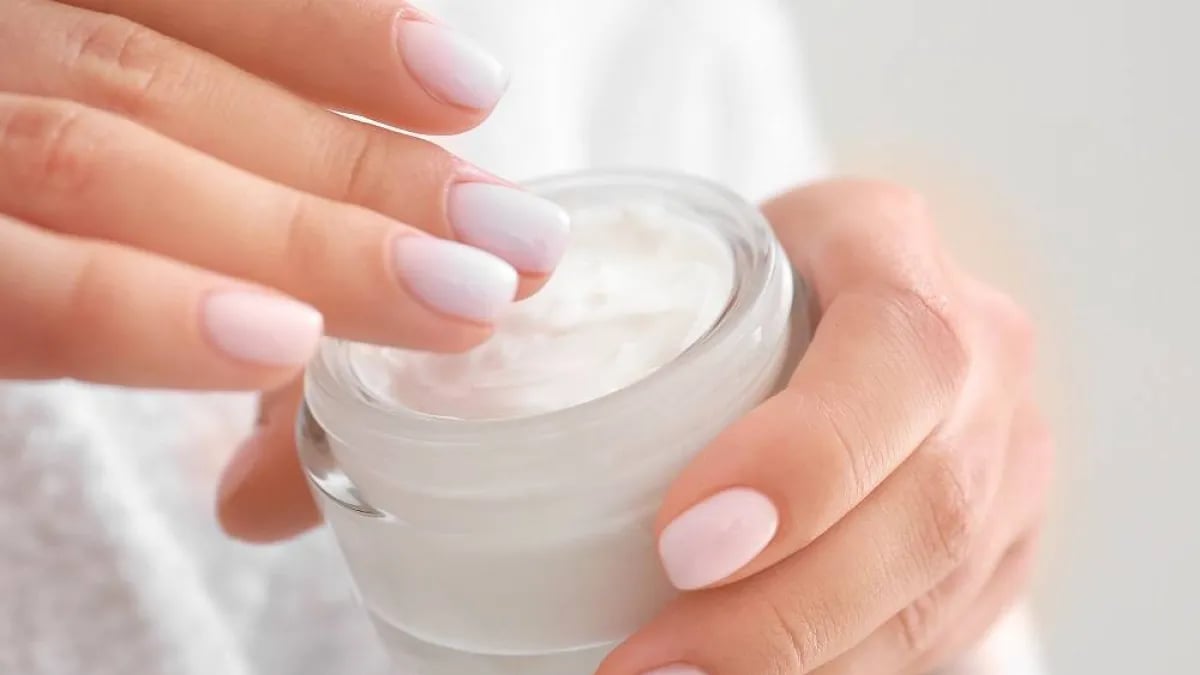
Cream-based moisturizers, on the other hand, usually contain a higher proportion of oils and emollients that help form a protective layer to reduce water loss from the skin, giving them a greater ability to provide hydration that lasts for hours.
A moisturizer's performance is linked not only to its texture but also to its formulation. A scientific review published in 2024 explained that products combining water-attracting ingredients like hyaluronic acid with emollients and protective lipids provide more stable hydration than relying on a single ingredient, because each category plays a different role in maintaining skin balance.
Gel for Oily Skin
Many people with oily skin avoid using moisturizer, believing it increases shine or causes breakouts. However, dermatologists confirm that skin deprived of moisture may respond by producing more sebum to compensate for water loss, worsening the problem rather than solving it. Therefore, gel-based moisturizers are a suitable choice in most cases, as they provide the skin with the hydration it needs without weighing it down or clogging pores, especially if they are oil-free and free of heavy fragrances.
Cream for Dry Skin
When the skin suffers from tightness, flaking, or roughness, cream becomes the most effective choice because it not only adds water to the skin but also helps retain it by supporting the skin barrier.
This is supported by a study published in 2025 in the Journal of Cosmetic Dermatology, which found that creams containing a blend of ceramides, cholesterol, and fatty acids improved skin barrier function and significantly reduced transepidermal water loss after just a few weeks of regular use, compared to moisturizers relying only on surface hydration.
What About Combination Skin?
Combination skin features both oily areas and drier areas, so a single product may not suffice for all parts of the face. Some experts suggest using a gel moisturizer during the day to reduce shine, while relying on a lighter cream at night or applying it only to the driest areas, achieving better balance without overburdening the skin.
Climate Changes Skin Needs
Choosing a moisturizer depends not only on skin type; climate also plays an important role. In summer or in hot and humid environments, fast-absorbing gel formulas provide a refreshing sensation, while creams become more suitable in winter or dry conditions, where the skin loses more water. Recent research also indicates that constant exposure to air conditioning, pollution, and ultraviolet rays increases water loss through the skin, making daily hydration a necessity even for those with oily skin, not just those suffering from dryness.
Age Alters Skin Needs
Gel-based moisturizers may be ideal in younger years, but skin needs gradually change with age. Starting from the third decade, production of ceramides and natural lipids begins to decline, along with hyaluronic acid levels, making the skin more prone to dryness and loss of elasticity.
For this reason, experts advise reevaluating your moisturizer periodically and not sticking with the same product for years. Skin that once sufficed with a light gel formula may later need a richer cream to support the skin barrier and delay signs of dryness.
Advertisement
Advertisement
Original source: Al Arabiya





Comments (0)
Be the first to comment.