How do epidemic outbreak news negatively affect our minds and way of thinking?
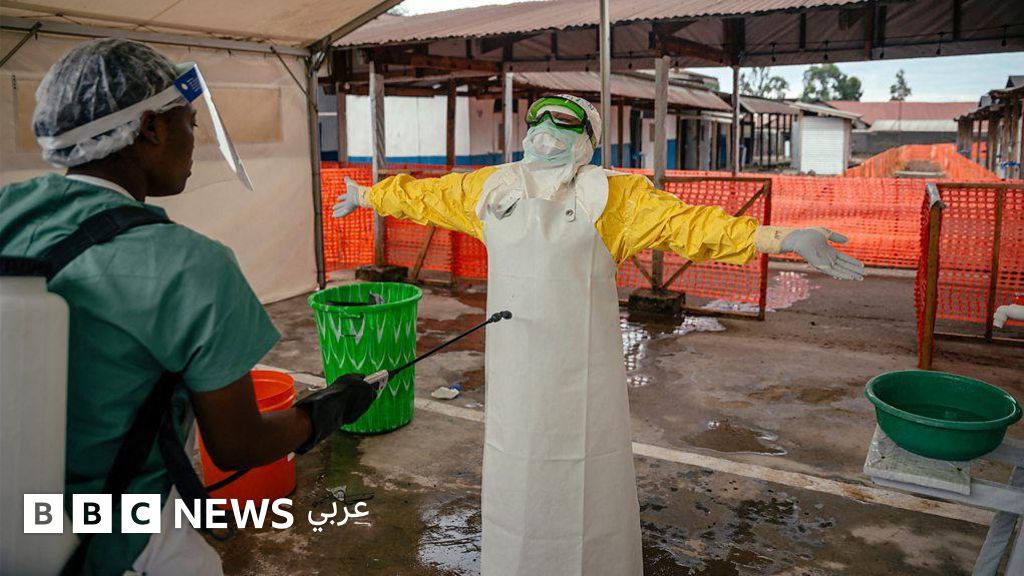
Diseases have returned to the headlines, with the Ebola outbreak in the Democratic Republic of Congo exceeding response capacity, while concerns about the Hantavirus persist with new confirmed infections. So how do epidemic outbreak news affect our thinking?
How do epidemic outbreak news negatively affect our minds and way of thinking?
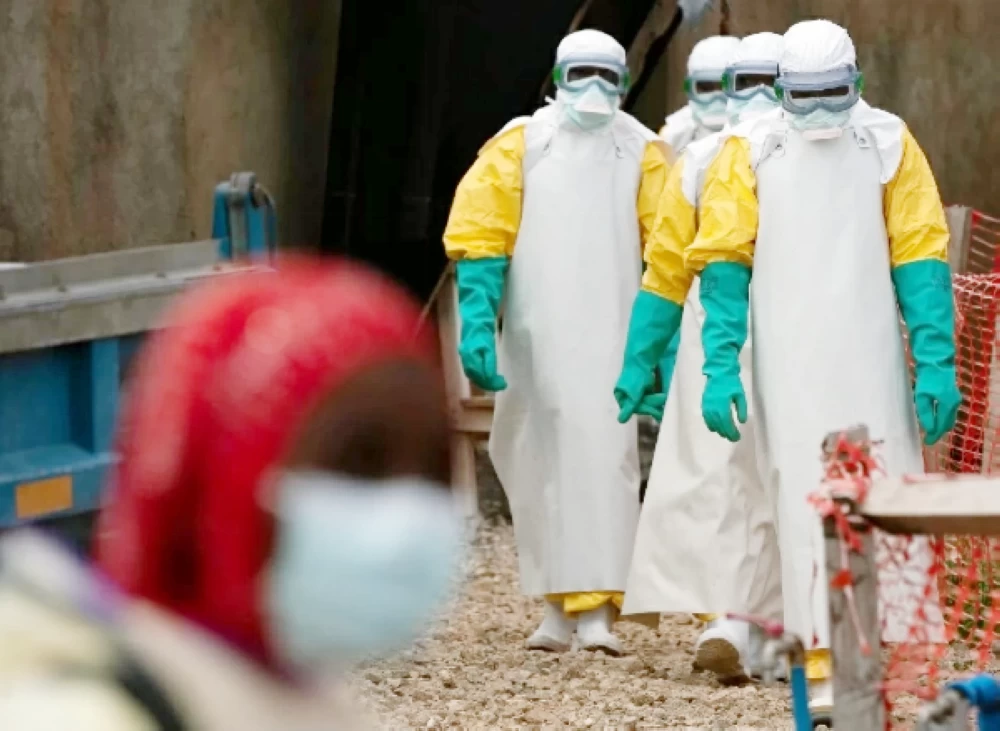
Image caption: Media focus on epidemics may be one of the reasons for making incorrect judgments about matters.
Article Information
Author, David Robson, Role, BBC Future
Published 5 hours ago
Reading time: 5 minutes
The "behavioral immune system" may issue harsher moral judgments, and may contribute to xenophobia.
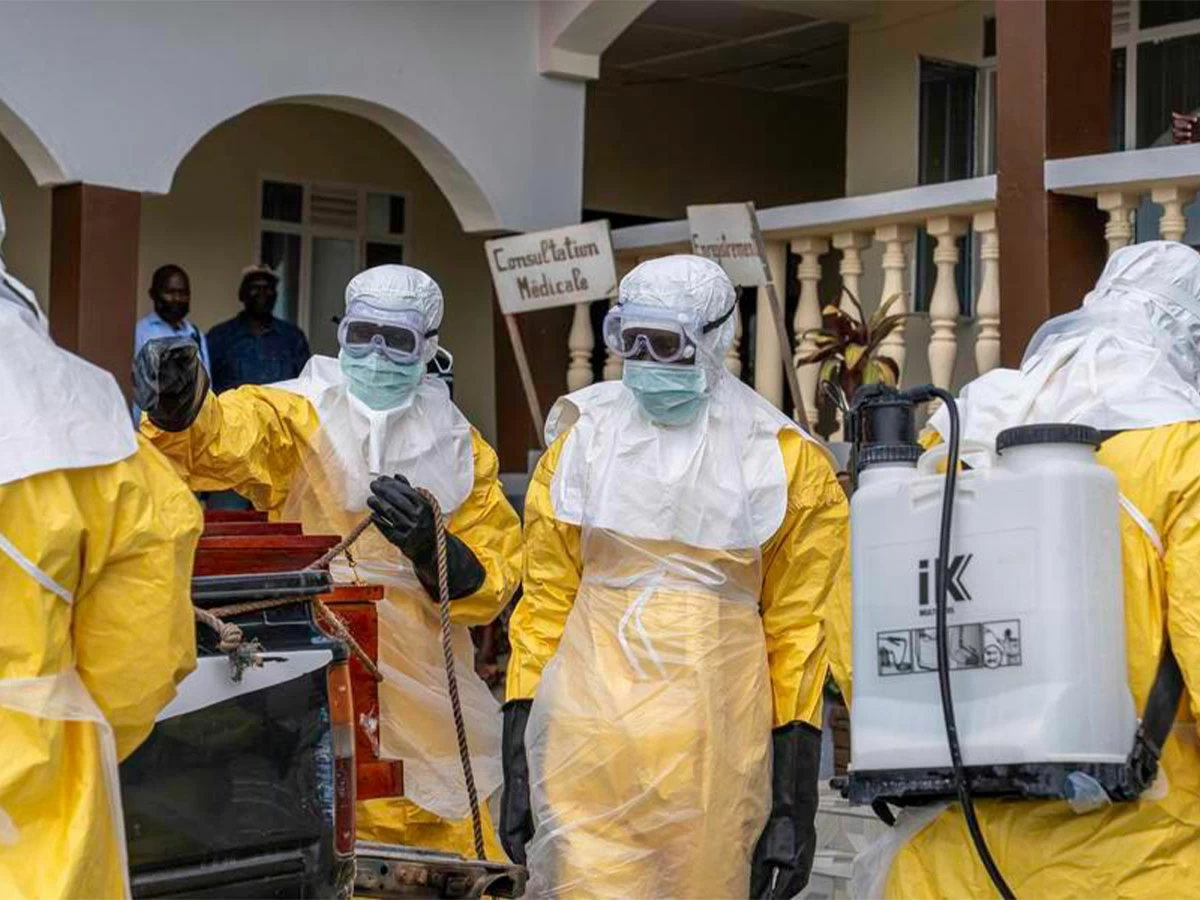
And now, diseases and death have returned to the headlines. The Ebola outbreak in the Democratic Republic of Congo has exceeded response capacity, while concerns about the Hantavirus persist with new confirmed infections.
Most of us are not at direct risk from these diseases, and therefore we do not need to take measures to prevent these infections – but does that mean we are completely safe from this risk? The answer may be no, as news about these diseases can leave a deep impact on our minds.
As I first explained to the BBC in April 2020, we are innately equipped with what is known as the "behavioral immune system" that can shape our psychological state merely by the suggestion of disease. Reminders of infection may make us more inclined to conform to prevailing norms, more risk-averse, and less open to those who violate social norms. There is even evidence that it may contribute to xenophobia.
Depression: Does "magic mushroom" renew hope for treating those with mental illness?
World Mental Health Day: What do we say to someone suffering from depression or anxiety?
The body's immune system includes amazing mechanisms to fight infection once a pathogen enters our body – from phagocytes that engulf pathogens, to B cells and T cells that produce specialized antibodies that can provide later immunity. However, mobilizing this army requires a huge amount of energy, leaving us exhausted after the disease subsides.
Therefore, we developed a set of psychological responses – called by University of British Columbia researcher Mark Schaller the "behavioral immune system" – that reduce our exposure to pathogens in the first place.
Skip most read and continue reading
Do you really need to avoid gluten?
"A meal I ate during my vacation ended up infecting me with 38 parasites in my brain"
Ukraine strikes a major oil facility in the Russian city of Saint Petersburg
Funeral music and "selected verses", how social media platforms read Khamenei's farewell ceremony?
Skip podcast and continue reading
Worth attention
In-depth explanation of the most important events and topics, to help you understand the key changes around you and their impact on your life
Episodes
Podcast end
The mechanism by which this system works is disgust; we naturally avoid anything that looks or smells like it might expose us to infection risk. This is why we feel nauseated when we smell rotten food.
Alongside this instinctive response, the behavioral immune system involves more subtle mechanisms that ensure our adherence to social norms. This was very important because cultures usually developed certain rules – such as preparing food according to hygiene standards or disposing of waste – to limit the spread of common diseases. In times of disease outbreaks, it was especially important for people to follow these measures.
As a result, reminders of illness can make us more inclined to comply with societal norms, rules, and common practices.
This seems true at least theoretically, and is supported by a series of studies. In one experiment, Schaller asked participating students to vote on a proposal to change the school's grading system. He found that they were much more likely to vote in line with other students' opinions – an indicator of conformity to societal norms – if they had just recalled a period when they suffered from illness.
Four ways to be happier in 2025
Coronavirus: Three signs that you are suffering from "burnout" during the pandemic
Image caption: We may develop a tendency to reduce communication with others during epidemic outbreaks
Meanwhile, scientists from the University of Hong Kong asked participants to evaluate some modern artworks, while informing them of how other viewers had rated them. Again, being reminded of infection just before – this time through shocking images of open wounds and wriggling maggots – encouraged them to go along with others instead of forming their own conclusions. Participants who saw images of car or train accidents – painful events without infection risk – did not show the same level of conformity.
Later studies showed that we become harsher in our moral judgments after being reminded of illness. For example, participants in one survey were more likely to judge a couple harshly for having sex on the man's grandmother's bed. From the perspective of the behavioral immune system, this tendency to monitor others' behavior would help ensure that the group as a whole takes necessary precautions to contain an outbreak.
To prevent the spread of diseases between groups, our fear of contamination can also reduce our trust in strangers. Based on a series of studies conducted in the United States and Europe, Lene Aarøe from Aarhus University in Denmark and her colleagues indicate that we "subconsciously categorize immigrants as carriers of pathogens" – their findings include that this can have a real impact on people's political opinions when their behavioral immune system is active.
Psychology of the pandemic
Image caption: An Italian study revealed a strong relationship between people's fears of epidemics and their lack of trust in some minorities
If the behavioral immune system theory is correct, we would expect to observe significant shifts in people's social attitudes during real-world disease outbreaks, such as the COVID-19 pandemic. A previous study indicated changes in "social trust, interpersonal caution, xenophobia, moral vigilance, and political ideology" during times of widespread pandemic spread.
Looking at the results of a survey of 685 people from Italy in April and May 2020, Giulia Fuochi from the University of Padua in Italy and her research team discovered a notable correlation between people's fears of the virus and their views of various minorities, including immigrants, adult drug users, and foreigners, as they expressed a weaker sense of shared identity and common fate.
However, the results of these field studies do not always show the same outcomes, which is not surprising at all. Unlike controlled laboratory experiments, studies that attempt to respond to news events are often complex and full of confounding factors, and cannot fully account for many issues that may affect people's political opinions at the same time.
Original source: BBC Arabic


Comments (0)
Be the first to comment.