Keto Under Scientific Scrutiny: Protection in the Colon, Risk in the Small Intestine
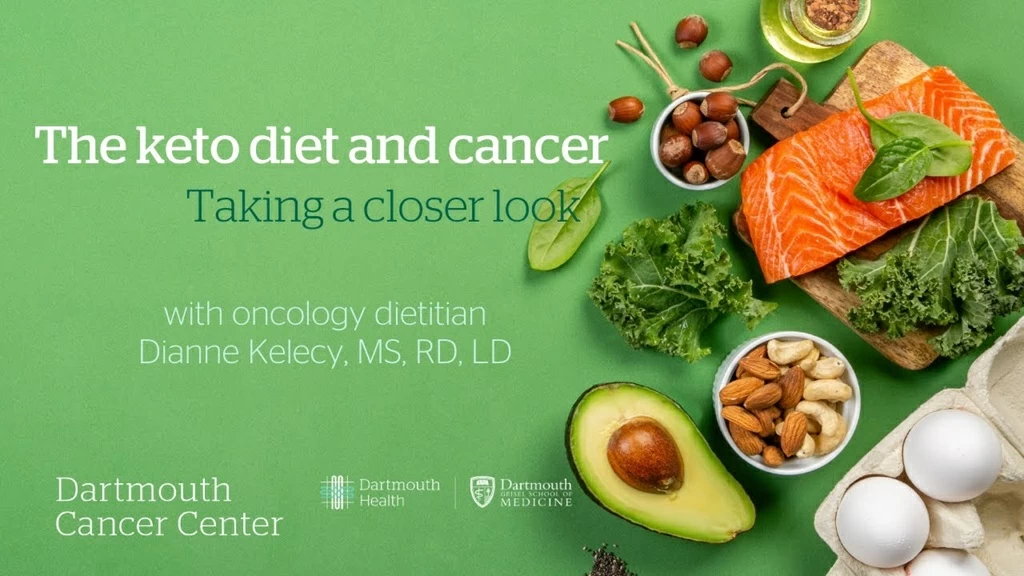
A recent study published in the scientific journal Nature has revealed unexpected results regarding the impact of the keto diet on cancer tumors, showing that the diet's effectiveness depends entirely on the location of the tumor within the digestive system. Experiments showed that it may accelerate tumor growth in the small intestine while limiting it in the colon, placing one of the most popular diets under new scientific scrutiny. For years, the benefits of keto have been linked to what are known as 'ketone bodies' produced by the body when following this diet, considered responsible for the anti-cancer effects...
A recent study published in the scientific journal Nature revealed unexpected results regarding the impact of the keto diet on cancer tumors, showing that the effectiveness of this diet is entirely dependent on the location of the tumor within the digestive system. Experiments demonstrated that it may accelerate tumor growth in the small intestine while limiting it in the colon, placing one of the most famous diets under a new scientific microscope.
For many years, the benefits of keto have been linked to what are known as 'ketone bodies' produced by the body when following this diet, as they are believed to be responsible for the anti-cancer effects. However, a research team from the Massachusetts Institute of Technology (MIT), led by biologist Omar Yilmaz, found that the true driver of these effects is not the ketones, but rather the way intestinal cells handle fats through metabolic processes.
According to what was reported by Science Alert, the researchers explained that the process of burning fats for energy, known as fatty acid oxidation, activates PPAR proteins that drive intestinal stem cells to divide at a faster rate. While this activity enhances the small intestine's ability to repair damaged tissues, it simultaneously increases the likelihood of those cells transforming into cancerous cells.
The site quoted Dr. Omar Yilmaz as saying, 'Increased stem cell activity gives the intestine a better ability to repair itself, but the downside is that this activity may open the door to tumor formation.' The study showed that mice on the keto diet developed tumors in the small intestine at rates similar to, and sometimes higher than, those on a diet rich in fats and calories, despite maintaining an ideal weight. In contrast, the diet continued to provide a protective effect against colon tumors, consistent with previous research findings.
The researchers point out that these results, despite their importance, are based on genetically engineered animal models, necessitating further studies to determine whether the same biological mechanisms apply to humans. The study also clarifies that commercial ketone supplements may not provide the same protective effects or risks, as the effects are linked to fat metabolism within cells and not to elevated ketone levels in the blood.
The research team is currently working to understand the striking differences in the response of adjacent parts of the digestive system to the keto diet, in a step aimed at uncovering the complex relationship between food, metabolism, and cancer development, and paving the way for more precise dietary approaches in dealing with cancer diseases.
Original source: Okaz




Comments (0)
Be the first to comment.