Ketogenic Diet: Contrasting Effects on Intestinal Tumors
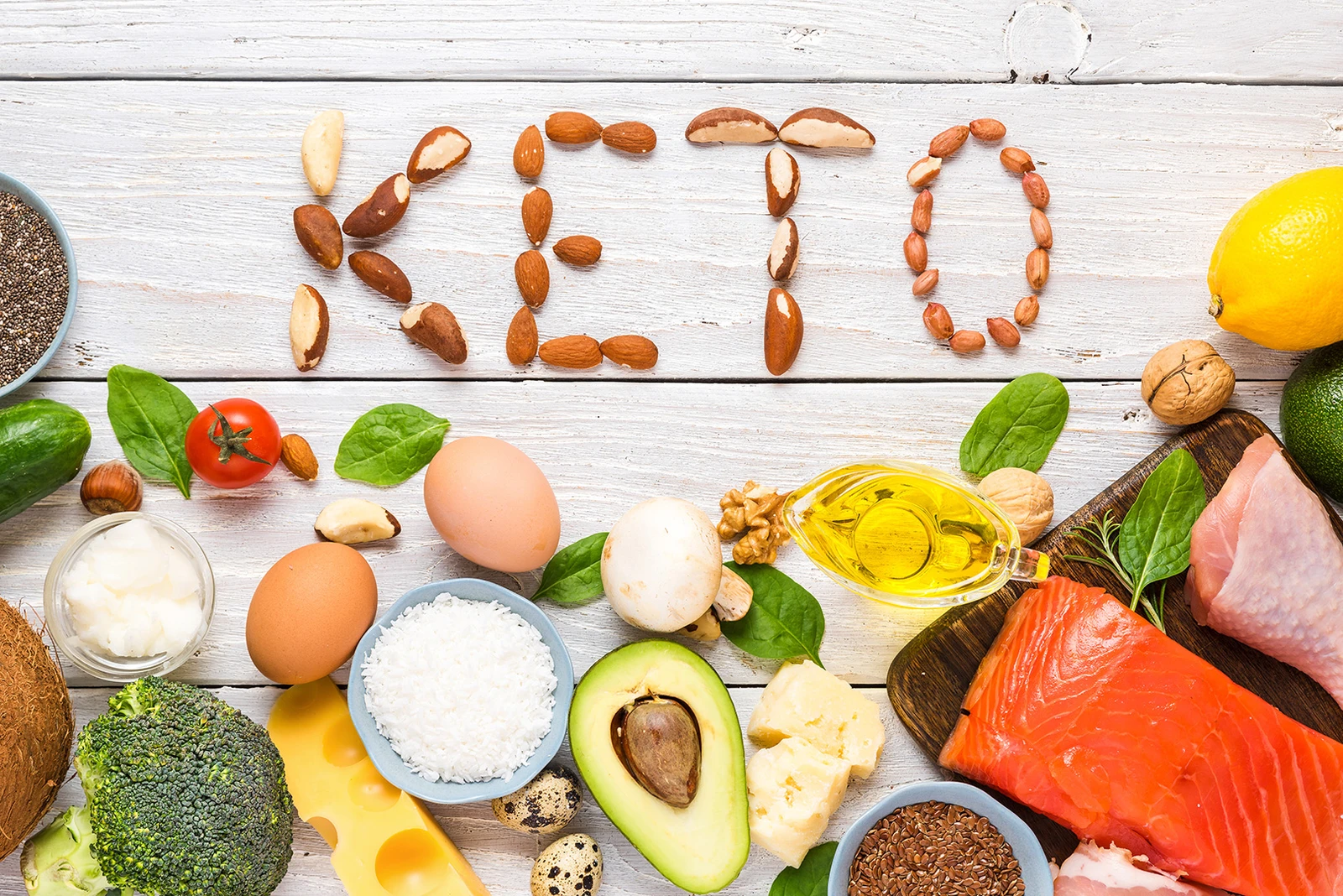
The ketogenic diet is one of the most prominent dietary plans worldwide and has been extensively studied for its potential benefits in weight management, Alzheimer's disease, and its impact on cancer, after being originally developed to help control epilepsy.
Contrasting effects of the ketogenic diet on intestinal tumors
A recent study published in the scientific journal Nature revealed contrasting effects of the ketogenic diet on intestinal tumors. The results showed that the ketogenic diet accelerates tumor growth in the small intestine while suppressing it in the colon, challenging prevailing theories about its mechanisms and interaction with the digestive system.
The study explained that these divergent effects were not due to ketone bodies, which are often associated with the ketogenic diet, but were linked to how intestinal cells metabolize dietary fats. This finding directly challenges one of the main theories explaining the effect of ketogenic diets on cancer.
Biologist and pathologist at the Massachusetts Institute of Technology (MIT), Ömer Yılmaz, confirmed that his team sought to understand how far the claimed benefits of the ketogenic diet against colorectal cancer extend to other parts of the intestine.
The researchers conducted experiments on genetically modified mice predisposed to develop intestinal tumors, providing them with three types of diets: ketogenic, standard control, and a high-fat, high-calorie diet typically used to induce obesity.
Molecular biologist and co-first author at MIT, Fangtao Chi, confirmed that increasing or removing ketone production did not alter intestinal tumor growth, adding that the tumor-promoting effects in the small intestine were driven by dietary fat metabolism, not ketone bodies.
Mice on the ketogenic diet developed tumors in the small intestine at rates similar to or higher than those on the obesity-inducing diet, despite maintaining a lean weight. In contrast, the ketogenic diet continued to suppress tumor development in the colon, supporting previous research findings.
These results raised fundamental questions about the true mechanisms behind these divergent effects, especially if ketone bodies are not the primary factor.
For years, ketone bodies, particularly beta-hydroxybutyrate (BHB), have been considered a hallmark of the ketogenic diet, and previous studies assumed they explained its protective effects against colorectal cancer.
The MIT team discovered that the actual driver is completely different: intestinal cells activate proteins called PPARs when breaking down dietary fats for energy via fatty acid oxidation.
These proteins encourage intestinal stem cells to divide at a faster rate, increasing the chances of some becoming cancerous, despite their role in repairing damaged tissue.
Yılmaz explained to ScienceAlert that having more stem cells means the small intestine can repair itself better after injury, but the downside is that increased stem cell activity may lead to tumor formation.
These new findings challenge one of the most prominent ideas in ketogenic diet research. While a previous study published in Nature in 2022 suggested that ketogenic diets protect against colon cancer thanks to ketone bodies like BHB, the current study reached a different conclusion.
Mice fed a ketogenic diet developed more intestinal tumors and died faster than animals fed a control diet.
MIT hepatologist and co-first author of the study, Jessica Shay, confirmed that diet and metabolism are often discussed together but are not always the same thing.
Shay added that the results show in this model that the high dietary fat content, not the ketone bodies produced during ketosis, causes these effects on intestinal cancer, highlighting the importance of distinguishing between ketogenic diets and ketone supplements.
The researchers concluded that ketones were not the driving factor for either of the observed effects; instead, protection in the colon and increased tumor growth in the small intestine were linked to how cells burn dietary fats.
Yılmaz reported that his team expected ketone bodies like BHB to be the direct driver of these processes, but the results showed instead that they were merely a metabolic bystander.
These findings come with important caveats, as with all preclinical studies; the experiments were conducted on a genetically modified mouse model predisposed to develop intestinal tumors.
Familial adenomatous polyposis, a rare hereditary condition that significantly increases the risk of intestinal tumors, is the closest human equivalent to this model. The researchers indicate that further research is needed to determine whether the same mechanisms operate in humans.
The study also clarifies that commercial ketone supplements are unlikely to produce the same risks or benefits observed in the experiments, as the effects were linked to fat metabolism, not the ketone bodies themselves.
The research team is currently working to understand why two adjacent parts of the intestine respond differently to the same diet. Yılmaz confirmed that his team does not know why their responses differ, and that is the question they are currently working to answer.
Original source: Akhbaar24






Comments (0)
Be the first to comment.