Key to Treating Insomnia May Lie in Feces of People with Healthy Sleep

Despite the availability of multiple treatments for insomnia, this disorder still troubles millions of people worldwide, due to the limited effectiveness of some therapeutic options and the possibility that some may cause side effects or lead to long-term dependence. However, a recent clinical study has opened the door to an unconventional therapeutic approach, based on utilizing gut microbes from people with healthy sleep in an attempt to improve sleep quality in those suffering from insomnia.
Data from the trial, as reported by The Independent, indicates that taking capsules containing fecal microbes from healthy donors may help alleviate insomnia symptoms.
About one in ten adults worldwide suffers from insomnia symptoms, which include difficulty falling asleep, staying asleep, or waking up early without being able to return to sleep.
The impact of insomnia is not limited to nighttime hours but extends into the daytime, potentially leading to poor concentration and cognitive abilities, mood disturbances, and physical fatigue. In the long term, insomnia is associated with an increased risk of high blood pressure, heart disease, and diabetes.
Current treatments for insomnia include lifestyle changes, as well as the use of some over-the-counter dietary supplements such as melatonin. However, these treatments may not be effective for all patients, and some may be associated with side effects or the risk of dependence with prolonged use.
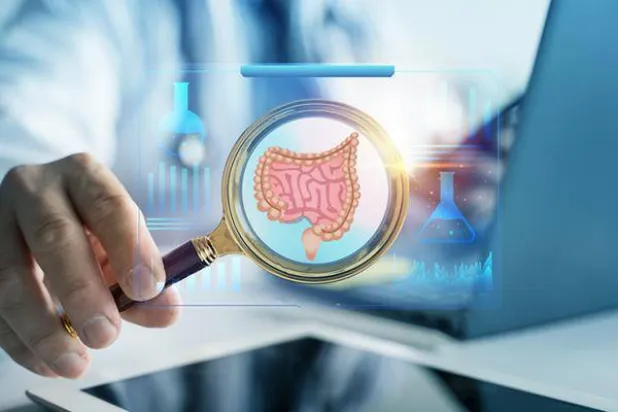
In recent years, increasing studies have shown that feces contain beneficial bacteria that can help improve the balance of microbes in the gut, which aids in regulating metabolism, supporting the immune system, and influencing a number of vital functions.
Fecal microbiota transplantation (FMT) is already used to treat certain gastrointestinal infections, where microbes from the feces of healthy donors are transferred to the patient's gut to rebuild beneficial bacteria and restore microbial balance.
Based on this idea, researchers from Peking University investigated the possibility of using fecal microbiota transplantation (FMT) from people with healthy sleep to treat patients suffering from chronic insomnia.
The study results showed that treatment based on fecal microbiota transplantation, along with antibiotic pretreatment, 'improved objective sleep continuity and maintained positive subjective outcomes related to insomnia.'
Dr. Yan Bing Bao, one of the study's authors published in the Journal of Internal Medicine, said: 'Our results provide clinical evidence that targeting gut microbes may represent a new and promising therapeutic strategy for treating chronic insomnia disorder.'
She added: 'This work also enhances our understanding of the gut-brain axis as an important regulator of human sleep.'
The study included about 80 participants, who were randomly divided into two groups. About 40 participants received short-term prophylactic antibiotic treatment, followed by capsules containing fecal microbes from healthy donors with good sleep.
In contrast, the other 40 participants received placebo capsules without any prior antibiotic treatment, forming the control group for comparison.
The researchers assessed sleep efficiency in all participants one month after treatment using polysomnography, and also asked them to fill out questionnaires to self-assess their sleep quality.
The results showed that the treatment protocol based on fecal microbiota transplantation, compared to placebo, led to improved sleep efficiency and reduced wake after sleep onset.
The researchers also noted that the benefits of the treatment were not temporary, as improvement persisted among participants for a period ranging from two to six months after treatment.
The researchers wrote in the study: 'The treatment was well tolerated, and its side effects were limited to mild and transient symptoms that resolved spontaneously, with no serious adverse events reported.'
The research team also pointed out that fecal microbiota transplantation led to an increase in the richness and diversity of gut microbes, which may partially explain the observed improvement in sleep quality and reinforces the importance of the relationship between gut health and brain function.
"); googletag.cmd.push(function() { onDvtagReady(function () { googletag.display('div-gpt-ad-3341368-4'); }); }); }
Original source: Asharq Al-Awsat



Comments (0)
Be the first to comment.