Matcha and Iron: Does the Green Drink Hinder the Body's Absorption of This Vital Nutrient?
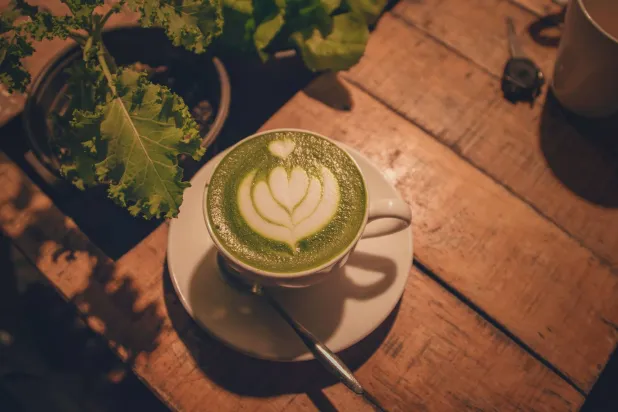
In recent years, matcha has transformed from a traditional drink associated with Japanese culture into one of the most popular health beverages worldwide. From supermarket shelves filled with matcha-inspired products to social media platforms, especially TikTok, where users compete to create diverse homemade recipes, this green drink has gained widespread popularity among those seeking a healthy lifestyle.
However, this popularity has been accompanied by growing questions and concerns about matcha's effect on iron absorption, after several influencers on social media shared information suggesting that excessive consumption may reduce the body's ability to utilize this essential nutrient. This sparked a debate about whether its health benefits outweigh potential risks, or if these concerns are exaggerated.
To verify the validity of these claims, The Independent consulted nutritionist Nicola Ludlam-Raine, author of the book 'How Not to Eat Ultra-Processed Foods,' along with nutritionist Sonal Jenkins, who has 17 years of experience, to clarify the scientific facts and debunk common misconceptions about this drink.
What is matcha and what are its main health benefits?
Matcha is believed to have roots in China, where it was first consumed around 2700 BC, before later evolving and becoming an integral part of Japanese culture. It is a fine powder made from shade-grown green tea leaves that are harvested, dried, and ground entirely.
Matcha is distinguished by its high content of polyphenols, powerful plant compounds currently under extensive study for their potential properties in preventing certain types of cancer. This drink is also known for its ability to combat oxidative stress, support heart health, and contribute to overall wellness.
Matcha is also a rich source of antioxidants, particularly catechins, which help protect cells from damage caused by free radicals. Among these compounds, epigallocatechin gallate (EGCG) is the most potent catechin found in matcha and has been widely studied for its potential role in reducing inflammation and supporting various vital functions in the body.
Matcha differs from traditional green tea in its preparation; the leaf powder is whisked directly into water or milk, rather than steeping leaves and then discarding them as with tea bags. Therefore, matcha drinkers consume the whole leaf, providing a greater amount of nutrients, beneficial plant compounds, and antioxidants compared to traditional green tea.
Does matcha reduce iron absorption?
The short answer is: yes, matcha can reduce iron absorption, but the extent of its effect depends on the individual's diet and health status.
Nicola Ludlam-Raine explains that the reason for these concerns is matcha's high content of tannins, plant compounds with an astringent taste also found in coffee, dark chocolate, and some teas.
Ludlam-Raine says these tannins are the primary factor affecting how the body absorbs iron.
When consuming matcha, tannins bind to iron in the intestines, specifically non-heme iron, the type found in plant sources like spinach, beans, and lentils. When this binding occurs, a compound forms that is difficult for the digestive system to absorb, leading to a reduction in the amount of iron the body can utilize.
Ludlam-Raine adds that because matcha is made from ground whole tea leaves, it contains a higher concentration of tannins compared to traditional tea or coffee, making its effect on iron absorption relatively greater.
However, she confirms that drinking one cup of matcha daily is not expected to have a significant impact on most people with a balanced diet.
Matcha drink differs from traditional green tea in its preparation method (Pixels)
Who is most at risk?
Sonal Jenkins points out that most people with a balanced diet obtain enough iron to compensate for the slight reduction in absorption caused by matcha, so the drink is not a real concern for them.
But she emphasizes two groups that require more attention:
First: Vegetarians
Vegetarians rely entirely on non-heme iron from plant foods, which is the type most affected by tannins. Therefore, excessive matcha consumption over time may contribute to depleting their iron stores if they do not ensure adequate compensation from suitable dietary sources or improve absorption.
Second: People with iron deficiency
If a person already has low iron levels, or has been diagnosed with iron deficiency anemia through blood tests, it is important to be aware of factors that may reduce the body's ability to absorb iron, including the timing of matcha consumption relative to meals or iron supplements.
In general, this does not mean one must avoid matcha; in many cases, it is sufficient to avoid consuming it with iron-rich meals or at the same time as iron supplements, while ensuring a balanced diet that meets the body's needs for this essential element.
"); googletag.cmd.push(function() { onDvtagReady(function () { googletag.display('div-gpt-ad-3341368-4'); }); }); }
Original source: Asharq Al-Awsat



Comments (0)
Be the first to comment.