Scientific Study Reveals Shocking Differences in Dreams and Human Imagination
A new scientific study, published in the journal Scientific Reports under the title 'Blind Minds,' has revealed that humans differ fundamentally in their ability to imagine images, sounds, smells, and sensations, both while awake and during dreams, revealing a wide diversity in human conscious experiences.
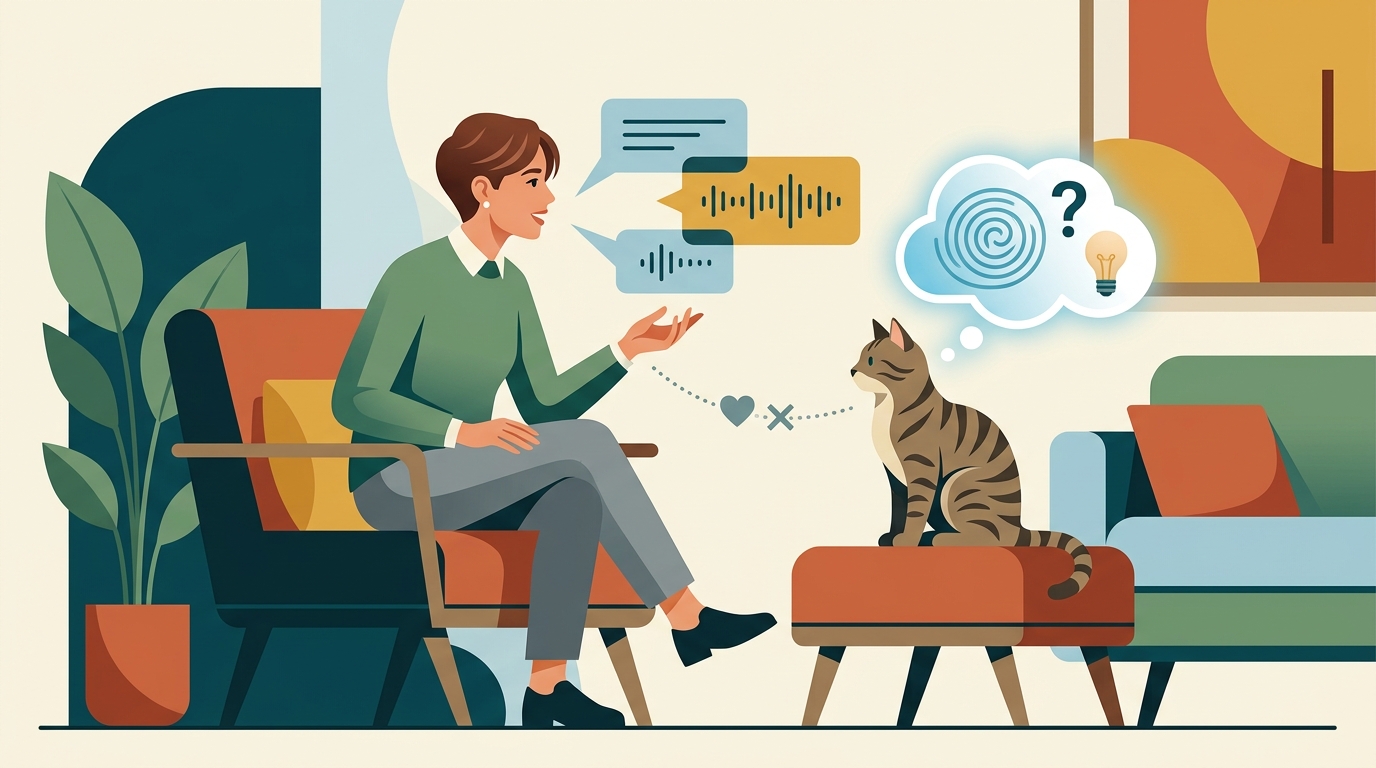
The study, as reported by The Conversation platform, focused on a condition known as 'aphantasia,' which is the inability to voluntarily conjure mental images. The researchers explained that some individuals with this condition cannot visualize people's faces or scenes in their minds, while others retain rich visual dreams during sleep.
'Blind Minds' Do Not Dream the Same Way
The study included 84 people with aphantasia and 121 people with normal imagination abilities, all of whom were asked to describe their dreams and daily imaginative experiences.
The results showed that some individuals with aphantasia experience dreams full of images and sounds, while others suffer from what researchers described as a 'silent mind,' which contains no images or sounds even during sleep.
The differences extended to normal individuals as well; 37% reported that they do not smell any odors in their dreams, while 33% indicated that they do not feel the sense of touch during sleep.
Close Link Between Dreams and Daily Imagination
The researchers also observed a clear connection between dream content and imaginative experiences in daily life; people who smell odors in their dreams were more likely to imagine the smell of food when thinking about dinner.
The researchers concluded that 'imaginative experiences vary more than previously thought, both while awake and during dreams,' emphasizing that understanding these differences may help scientists uncover how the brain produces conscious experiences, one of the deepest mysteries of neuroscience.
Importance in Education and Psychotherapy
The researchers noted that the study's findings may have great significance in the fields of education and psychotherapy, especially since mental visualization techniques are widely used in these fields, while some people may be biologically unable to engage in this type of imagination.
The study team affirmed: 'We hope to soon be able to explain why some people can imagine the smell of dinner before cooking, while others are completely unable to do so.'
Original source: Sabq



Comments (0)
Be the first to comment.