Sensor Detects Liver Fibrosis Early via a Drop of Blood
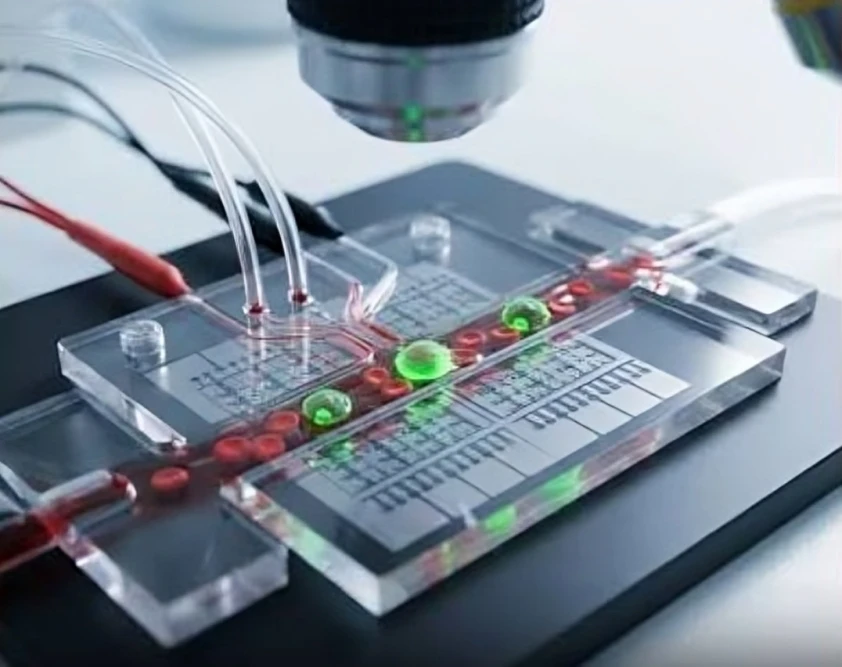
South Korean scientists developed a highly sensitive biosensor for early detection of liver fibrosis using a small blood sample, achieving 95.24% sensitivity and 100% specificity.
Scientists from South Korea have developed an ultra-sensitive biosensor that enables early detection of liver fibrosis through analysis of a small blood sample, a step that enhances the chances of rapid diagnosis for this disease, which often progresses without clear symptoms.
The device achieved a sensitivity of 95.24%.
The innovation serves as a safe alternative to traditional techniques that rely on painful biopsies or costly imaging methods.
The sensor relies on measuring the PICP protein, which is associated with the formation of scar tissue in the liver, using a carbon electrode coated with gold nanoparticles and equipped with antibodies that allow precise determination of the protein concentration without complex sample processing.
In clinical trials, the device achieved a sensitivity of 95.24% and a specificity of 100%, enhancing its reliability for early detection.
The researchers believe the technology is a candidate to become a portable medical device easy to use in clinics and medical centers, reducing reliance on biopsies and expanding the scope of early diagnosis for liver fibrosis caused by viral diseases, obesity disorders, or alcohol addiction.
Original source: Akhbaar24


Comments (0)
Be the first to comment.