What Happens to the Body When You Overconsume Zinc?

Zinc is an essential mineral that the body needs for many vital functions, including supporting immunity, accelerating wound healing, and aiding growth and cell renewal. However, as with many nutrients, overconsumption can turn its benefits into health risks, ranging from mild symptoms to complications requiring urgent medical intervention.
Consuming large amounts of zinc, whether from supplements or other sources, leads to several side effects, most notably digestive disorders, changes in taste, and copper deficiency, according to Healthline.
Zinc participates in more than 100 chemical reactions in the body and is essential for growth, DNA synthesis, and maintaining the sense of taste. It also supports wound healing, immune function, and reproductive health.
Health authorities have set the tolerable upper intake level for zinc at 40 milligrams per day for healthy adults aged 19 and older. This level is the maximum daily intake unlikely to cause adverse effects in most people, according to Healthline.
Dietary sources rich in zinc include meat, fish, seafood, and some fortified cereals. Oysters are at the top of these sources, with a single 85-gram serving providing about 291% of the recommended daily value.
Although some foods contain high amounts of zinc exceeding the upper limit, no cases of toxicity from naturally occurring zinc in food have been recorded.
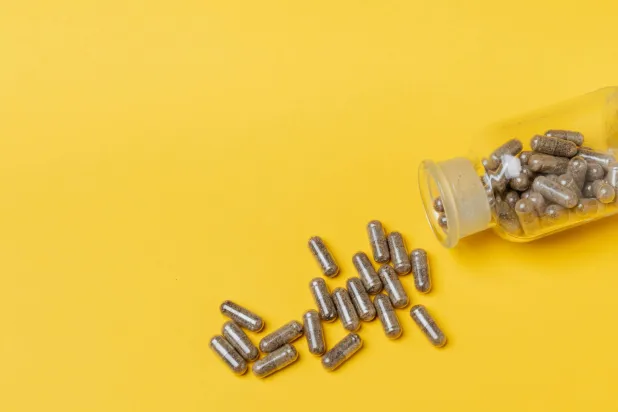
In contrast, zinc toxicity can occur from excessive intake of supplements, including multivitamins, or from accidental ingestion of certain household products containing zinc. Large amounts of this metal are also found in some denture cream adhesives.
A woman holding a piece of fresh oyster (Pixabay)
Below are the most notable signs and symptoms of excessive zinc intake:
Nausea and vomiting
Nausea and vomiting are among the most common side effects of zinc toxicity.
A reliable review of 17 studies published in 2012 on the effectiveness of zinc supplements in treating colds found that zinc may help reduce the duration of illness, but side effects were also common.
The review found that participants taking zinc supplements were 64% more likely to experience nausea compared to those in control groups.
If you think you have consumed a toxic amount of zinc, it is essential to seek emergency medical help.
Vomiting does not mean the body has successfully eliminated the toxic amounts; medical care is still necessary to treat toxicity and prevent further complications.
Ingesting a toxic dose of zinc may also cause blood in the vomit, which may sometimes appear as coffee grounds. Vomiting blood is a serious condition requiring immediate medical attention.
Stomach pain and diarrhea
Zinc toxicity can cause stomach pain and diarrhea, and a person who ingests a toxic amount of zinc may experience watery diarrhea.
Harmful amounts of zinc can also irritate the intestines and cause intestinal bleeding.
If signs of gastrointestinal bleeding appear, such as bloody vomit or black, tarry stools, it is important to seek urgent medical help.
Flu-like symptoms
Zinc exposure can occur in some industrial workplaces, particularly in metal-working occupations such as welding, soldering, and alloy production. Workers in these fields may inhale fumes containing toxic amounts of zinc.
Inhaling zinc fumes can cause flu-like symptoms, including fever, chills, cough, headache, and fatigue.
Since these symptoms can also occur in poisoning from other metals, diagnosing zinc toxicity can be difficult. Therefore, if you work in an environment where you might be exposed to zinc, it is important to inform your doctor about your occupation.
Low levels of good cholesterol (HDL)
Good cholesterol (HDL) helps reduce the risk of heart disease by removing cholesterol from the body's cells, preventing plaque buildup that can lead to artery blockage.
Health authorities recommend that HDL levels be above 40 mg/dL for men and above 50 mg/dL for women, as low levels are associated with an increased risk of heart disease.
Research suggests that consuming zinc in amounts exceeding the tolerable upper limit may lead to decreased HDL levels.
Changes in taste
Zinc plays an important role in maintaining the sense of taste, and its deficiency can lead to a condition known as hypogeusia, a disorder affecting the ability to distinguish flavors.
Conversely, zinc supplements, especially lozenges and syrups, can cause an unpleasant taste in the mouth, a side effect noted in studies on zinc use for treating colds.
Copper deficiency
Taking zinc in doses exceeding the recommended upper limit impairs the body's ability to absorb copper, which can lead to copper deficiency over time.
Copper is an essential mineral that helps absorb and metabolize iron, making it necessary for red blood cell formation, as well as playing an important role in white blood cell production.
Red blood cells carry oxygen throughout the body, while white blood cells play a key role in supporting the immune system and helping it fight disease.
Read also
Original source: Asharq Al-Awsat


Comments (0)
Be the first to comment.