After 180 Days.. Radical Decisions Will Transform the Face of Schools in Saudi Arabia
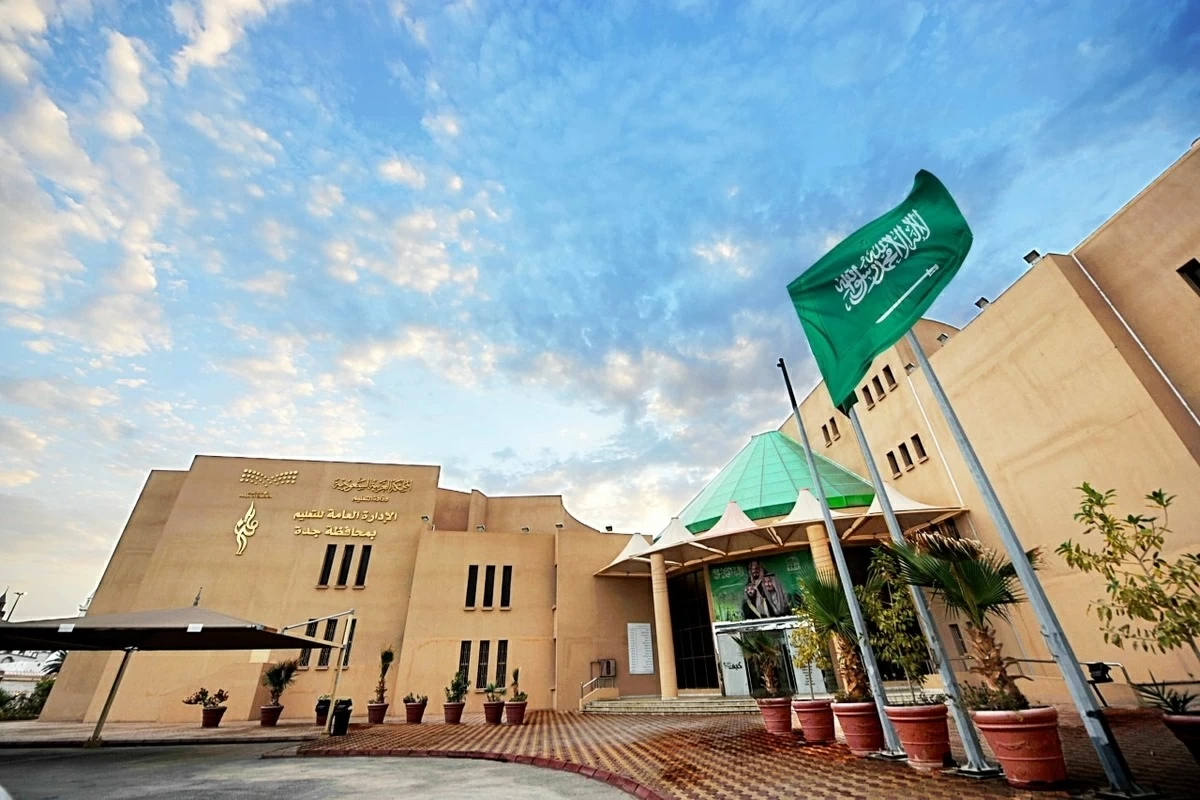
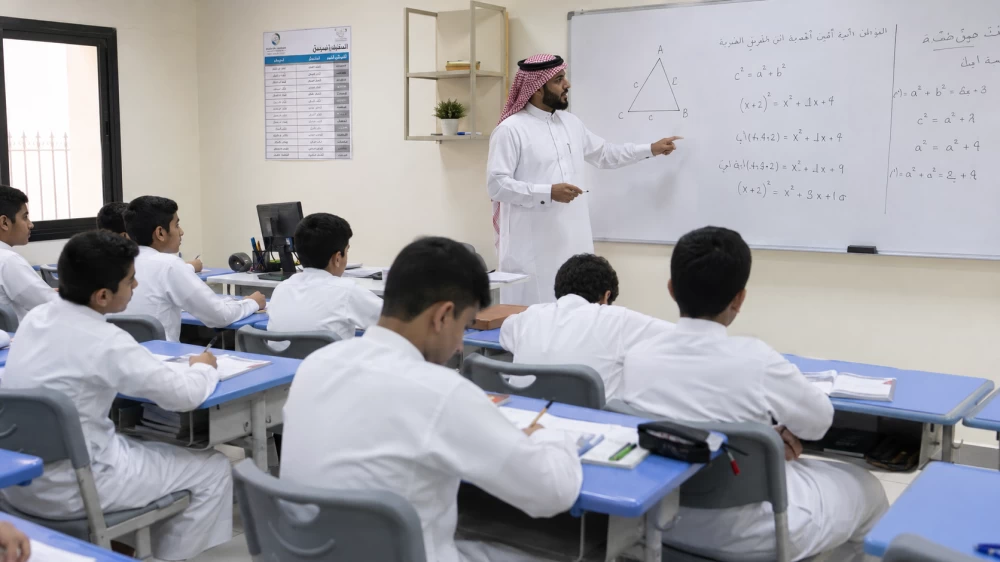
In a pioneering step ushering in a new phase of national development and placing the quality of education and the protection of the school environment at the forefront of future priorities, details of the new "General Education System" have revealed a strategic package of decisions and regulations for the educational process, officially set to take effect in 180 days. The new system represents a key pillar for the development of the Kingdom's educational structure, achieving a balance between improving students' educational and skill outcomes and supporting private sector investment, while safeguarding the rights of all participants in the educational process.
After 180 Days.. Radical Decisions Will Transform the Face of Schools in Saudi Arabia
24 July 2026 - 15:43 | Last Updated 24 July 2026 - 16:29
--:--
Follow Okaz channel on WhatsApp
Okaz (Jeddah) OKAZ_ONLINE@
In a pioneering step that heralds a new phase in the journey of national development and places the quality of education and the protection of the school environment at the pinnacle of future priorities, details of the new "General Education System" have unveiled a strategic package of decisions and regulations for the educational process, slated to officially take effect after 180 days.
The new system represents a major pillar for the development of the educational framework in the Kingdom, as it achieves a balance between enhancing students' educational and skill outcomes and supporting the investment environment in the private sector, alongside preserving the rights of all parties involved in the educational process, including students, teachers, and parents.
Among the most prominent decisions and pivotal changes featured in the new system, which outline the future features of the Saudi school:
Academic Flexibility.. "Accelerated Transition" and Grade Skipping for Gifted Students
Article (23) of the system approved a regulatory mechanism allowing high-achieving and gifted students to "accelerate transition" from one educational stage to a higher one according to clear criteria and comprehensive evaluation procedures. This step aims to harness students' creative energies and shorten their study duration in alignment with their mental and academic capabilities.
Discipline and Protection of the Educational Environment
The system is keen to safeguard the school environment and entrench the values of national identity. Articles (58 and 59) outlined firm measures against any violations affecting public order or national unity, as the system includes terminating the service of an employee or teacher in the event of committing a grave violation within this framework, prohibiting them from returning to work in the educational field in both its government and private sectors, to ensure the safety of the intellectual and educational environment for students.
Precise Regulations for Private School Fees
As part of regulating the relationship between parents and private educational institutions, Article (35) stipulated the establishment of specific criteria for amending tuition fees, to be approved by the General Education Care Council. These criteria ensure a balance between encouraging investment in the private sector and enhancing its options, while protecting parents' rights and controlling tuition fee changes according to announced and transparent standards.
Guaranteeing the Right to Education and Compulsory Attendance
Affirming that education is a guaranteed right for all, Article 4 stressed the compulsoriness of education from the age of 6 to 15 years, emphasizing that regulatory procedures will be taken in coordination with relevant authorities against anyone who causes a child to be deprived of education or drops out during the compulsory education years, thereby enhancing enrollment rates and curbing school dropout.
Appreciating Teachers and Financial Benefits for Assignment
In a bid to support educational cadres and field stability, Article (46) authorized assigning teachers to teach courses outside their areas of specialization when needed, in accordance with clear regulations approved by Article (8) which include providing the necessary professional qualification rules and granting incentive financial benefits in exchange for this additional assignment.
Free School Transportation and Logistical Support
Article (55) included the Ministry of Education's commitment to provide school transportation services for students of government educational institutions free of charge, with the establishment of transparent rules and conditions for registration, contributing to easing logistical burdens on families and facilitating students' access to their schools and places of learning.
Student Rights.. Safe Environment and Prohibition of "Individual Punishments"
Article (38) dedicated an integrated system of guaranteed rights for students within the educational institution, including:
1- Prohibition of Individual Assignments: Preventing the assignment of students to any tasks or punishments resulting from individual discretion that do not comply with official regulations and bylaws.
2- Certification Without Conditions: Handing over the student's passing certificate immediately upon completion of the academic year without any administrative obstacles or restrictions.
3- Care and Protection: Providing primary healthcare within the school and protecting the student from all forms of psychological and physical abuse.
Institutionalizing E-Learning and Virtual Education
The system has moved beyond traditional education patterns by approving in Articles (8 and 24) the official adoption of modern technologies, as it legalized the licensing of "virtual educational institutions" that provide education in a fully electronic format, alongside adopting digital technologies as an integral part of daily in-person learning.
Enhancing Safety and Health Security
The system attached utmost importance to student health and safety, as Article (54) stipulated the preparation of health and canteen nutrition regulations in partnership between the Ministry of Education, the Ministry of Health, and the Saudi Food and Drug Authority. Furthermore, Article (56) stipulated the Ministry's commitment to providing qualified security guards for all government school buildings in accordance with the highest requirements.
Alongside executive details and qualitative decisions, the new "General Education System" is based on key pillars that form the upcoming educational philosophy and define the shape of the school experience for students and educational staff:
Professional Licensing as a Prerequisite for Teaching: Regulating the practice of the teaching profession by mandating the acquisition of a license and approved regulatory qualification to ensure the highest levels of efficiency and quality in classrooms.
Future Curricula with Modern Skills: Expanding the integration of programming, critical thinking, and emerging technologies into educational programs and curricula to prepare a generation that keeps pace with the requirements of the digital economy.
Compulsory Accreditation and School Evaluation: Linking direct performance quality to the mandatory application of national and international tests and measurements, and obtaining school accreditation to ensure competitiveness.
Framing the Early Childhood Stage: Comprehensive and independent regulation of education and care services extending from the beginning of kindergarten until the end of the third primary grade, to establish the child's educational foundation early on.
Institutionalizing Partnership with the Family: Establishing official frameworks and regulations that enhance the role of parents and empower them to actively participate in monitoring and achieving their children's educational goals.
Consolidating Free and Compulsory Education: Emphasizing the gratuitousness of education in all government institutions and making it compulsory for children aged 6 to 15 years to ensure equal opportunities.
Commitment to a Safe Environment and Comprehensive Protection: An integrated regulatory commitment to providing a healthy and safe school environment that guarantees the protection of the student from all forms of psychological and physical abuse.
In a pioneering step that marks a new phase in the journey of national development and places the quality of education and the protection of the school environment at the top of future priorities, the details of the new "General Education System" revealed a strategic package of decisions and regulations for the educational process, which is set to be officially implemented after 180 days.
The new system represents a key pillar for developing the educational system in the Kingdom, as it achieves a balance between enhancing the educational and skill outputs of students and supporting the investment environment in the private sector, in addition to safeguarding the rights of all parties involved in the educational process, including students, teachers, and parents.
Original source: Okaz
Comments (0)
Be the first to comment.