Al-Atawlah Heritage Festival Reimagines History as a Project for the Future
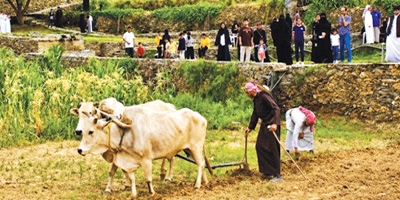
From the Festival's Programs
Thursday, July 9, 2026
"Al Jazeera" - Wael Al-Otaibi:
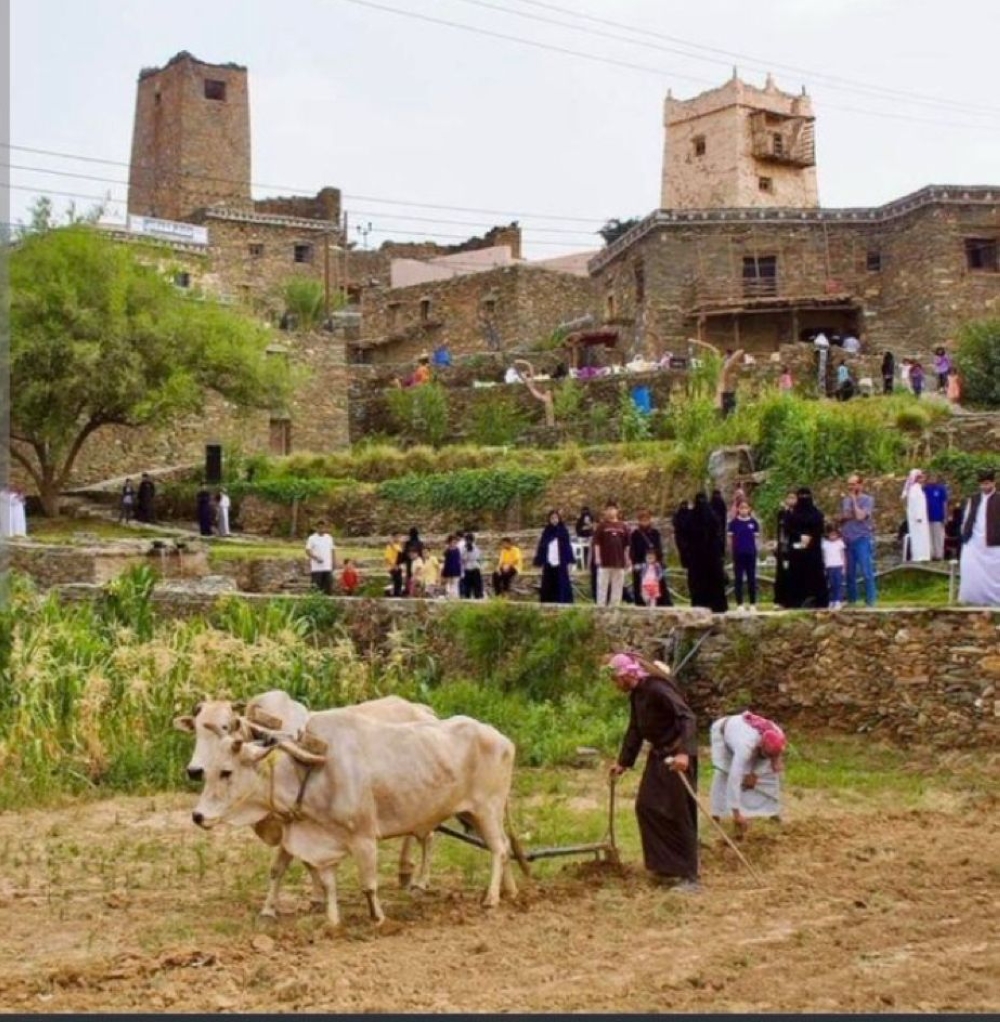
In Al-Atawlah, summer is not inaugurated merely with the announcement of an entertainment program; rather, the doors of memory are flung wide open. Amidst the stone fortresses, winding alleys, the ancient mosque, and a market that was once one of the most important markets in the south of the Arabian Peninsula, the trial operation of the ninth edition of the Al-Atawlah Heritage Festival begins. It offers a model that transcends the concept of a seasonal festival to become a cultural project that revives the place and gives history a new chance to speak in the language of the present.
However, the festival's value lies not in the number of its events, but in the place that hosts it. Al-Atawlah is not an ordinary heritage village; it is one of the most important historic towns in the Al-Bahah region, a homeland where the features of social, economic, and political life were shaped over long centuries.
Al-Atawlah gained its historical status by hosting the Suq Rabu' Quraysh, which was not just a space for commercial exchange but a platform for tribal gatherings, knowledge exchange, agreement-making, and social decision-making, at a time when markets played the role of cultural and political institutions alongside their economic role.
This legacy lies in the heart of an exceptional natural landscape, as Al-Atawlah is situated in Wadi Quraysh between two towering mountains, in a location that forced humans to devise urban solutions that harmonize with the rugged terrain, turning stone into an architectural language and the mountain into a living space.
The buildings of Al-Atawlah reveal an advanced level of urban understanding; they were built from granite and basalt stones, with wooden ceilings covered in mud, in a composition that has maintained its cohesion for hundreds of years. The urban fabric includes about 29 heritage buildings, centered around towering fortresses, most notably the Damas Fortress, the Al-Othman Fortress, and the Al-Mashyakhah Fortress, which were not merely watchtowers but an expression of an integrated security and social system that protected people before protecting the place.
At the heart of the village stands the historic mosque as a witness to the spiritual dimension of the community, with its stone structure, roof built from juniper trunks, and simple facilities that reveal how traditional architecture achieved the highest levels of efficiency with the simplest means, before the mosque underwent restoration works that preserved its authentic identity.
Hence, the Al-Atawlah Heritage Festival gains its true importance; it does not content itself with displaying traditional crafts, folk arts, productive families, and cultural performances, but rather re-activates the collective memory of the place, giving the visitor an opportunity to live the details of old life, not just to watch them.
This approach reflects the transformation the Kingdom is witnessing under Vision 2030, where heritage preservation is no longer limited to restoring historic buildings but has become part of a broader national project to build a sustainable cultural economy that invests in identity, supports tourism, provides opportunities for craftsmen and entrepreneurs, and reintegrates historic sites into daily life as centers for creativity and production.
Thus, in Al-Atawlah, heritage is not visited... it is lived. Arabs and Peoples of the Middle East Read also Riyadh enhances the World Cup viewing experience through Jamma destinations AlUla... land and sky compete to dazzle the visitor When awareness meets responsibility... Qassim Region Emirate A
Original source: Al-Jazirah


Comments (0)
Be the first to comment.