Al-Rashid: Cabinet's Praise for New Phase of Developed Neighborhoods Program Reflects Leadership's Support for Development in Makkah
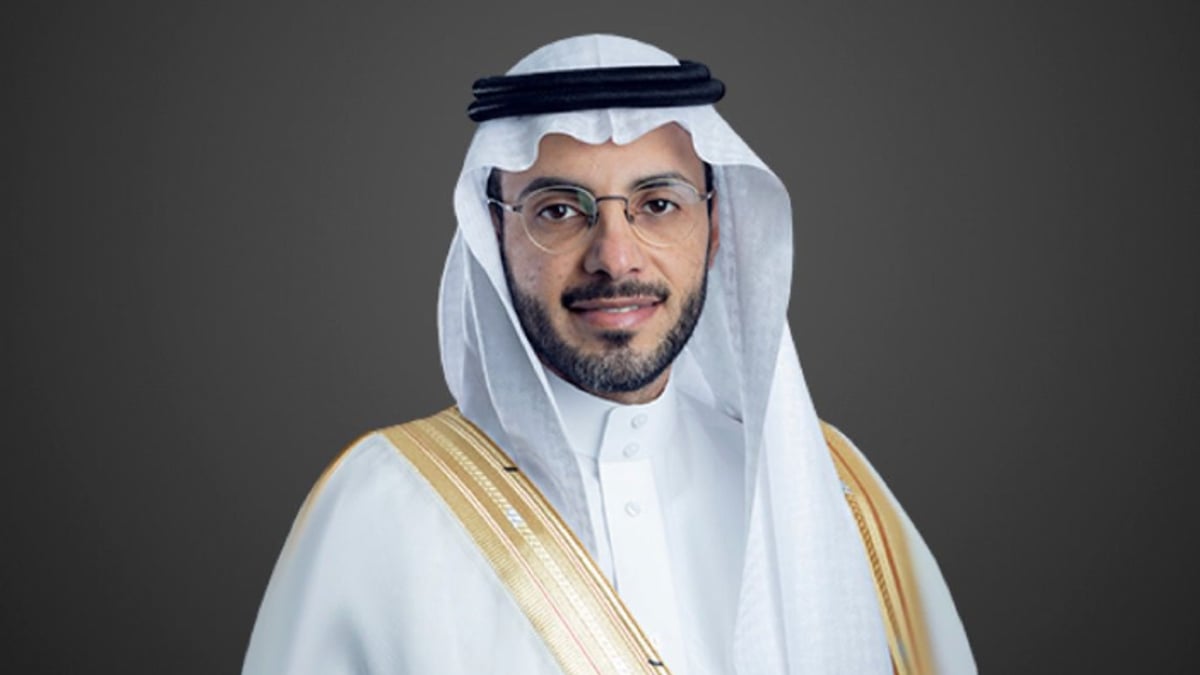
The CEO of the Royal Commission for Makkah City and Holy Sites, Eng. Saleh bin Ibrahim Al-Rashid, praised the Cabinet's commendation of the launch of the new phase of the Developed Neighborhoods Program in Makkah, affirming that this praise reflects the keen interest of the wise leadership—may God support them—in development projects in the holy capital, and their commitment to developing its infrastructure, improving the urban landscape, and enhancing quality of life, in line with urban growth and serving the residents and visitors of Makkah.
Al-Rashid affirmed that the Cabinet's reference to developing infrastructure and preparing it to accommodate growth and improve the urban landscape represents a developmental path through which the stages of development in Makkah continue. He explained that the new phase of the Developed Neighborhoods Program is an extension of this path, aimed at enhancing quality of life and maximizing the impact of development, under the care of the wise leadership—may God protect them—for Makkah and their keenness to improve services for its residents and visitors.
He added that the wise leadership's directive to form the ministerial committee chaired by His Royal Highness Prince Abdulaziz bin Saud bin Naif bin Abdulaziz, Minister of Interior, served as the foundation from which the program's work began, by setting its strategic directions, overseeing its tracks, and following up on the implementation of its phases to achieve its developmental objectives in Makkah.
He explained that the program is based on an integrated development strategy focusing on two main dimensions: first, the human dimension, which places people at the center of development by improving quality of life, preserving property rights, enhancing transparency, and providing appropriate development options; and second, the spatial dimension, which aims to increase neighborhood efficiency, improve the urban environment, enhance land use efficiency, and attract quality investments, contributing to building more efficient and sustainable neighborhoods.
Al-Rashid pointed out that the Royal Commission launched the new phase of the program by awarding development contracts for seven sites: South Jurhum, Al Khalidiyya, Al Hajla, East Hindawiyya, South Hindawiyya, West Hindawiyya, and Al Zuhur, with development investments exceeding SAR 16.3 billion and spanning an area of over 4.4 million square meters, through five development consortia comprising more than ten national companies.
He affirmed that this phase represents an extension of the Royal Commission's efforts to develop Makkah, enhance its readiness to keep pace with growth, improve the efficiency of the urban environment, and solidify partnership with the private sector, thereby maximizing the impact of development and benefiting the residents and visitors of Makkah, in line with the goals of Saudi Vision 2030.
The CEO of the Royal Commission for Makkah City and Holy Sites expressed his thanks and appreciation to the Custodian of the Two Holy Mosques King Salman bin Abdulaziz Al Saud and His Royal Highness the Crown Prince—may God protect them—for their care and attention to Makkah, its residents, and its visitors, the guests of Allah. He also thanked and appreciated His Royal Highness the Minister of Interior, Chairman of the Ministerial Committee, for his follow-up and support of the committee's work, which contributed to the program's progress and its transition to its current phases.
Original source: Ajel.sa
Comments (0)
Be the first to comment.