Al-Tantoura: A Seven-Century-Old Sundial Tells the History of AlUla
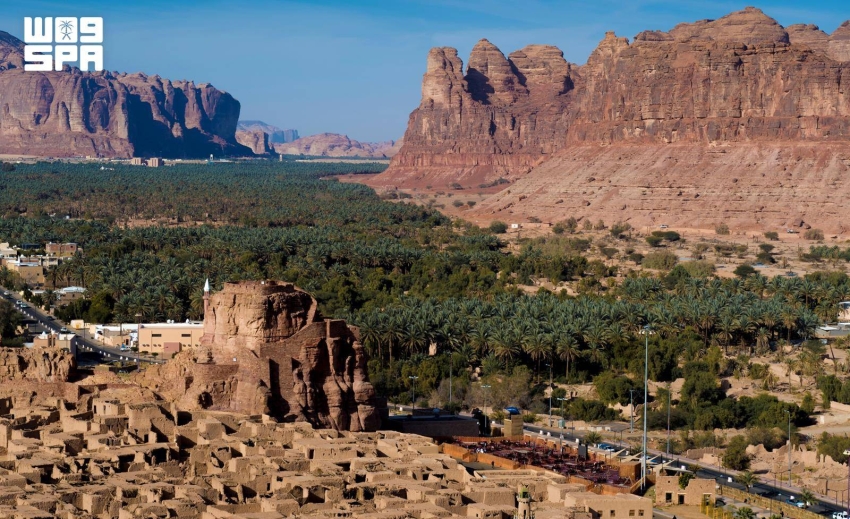
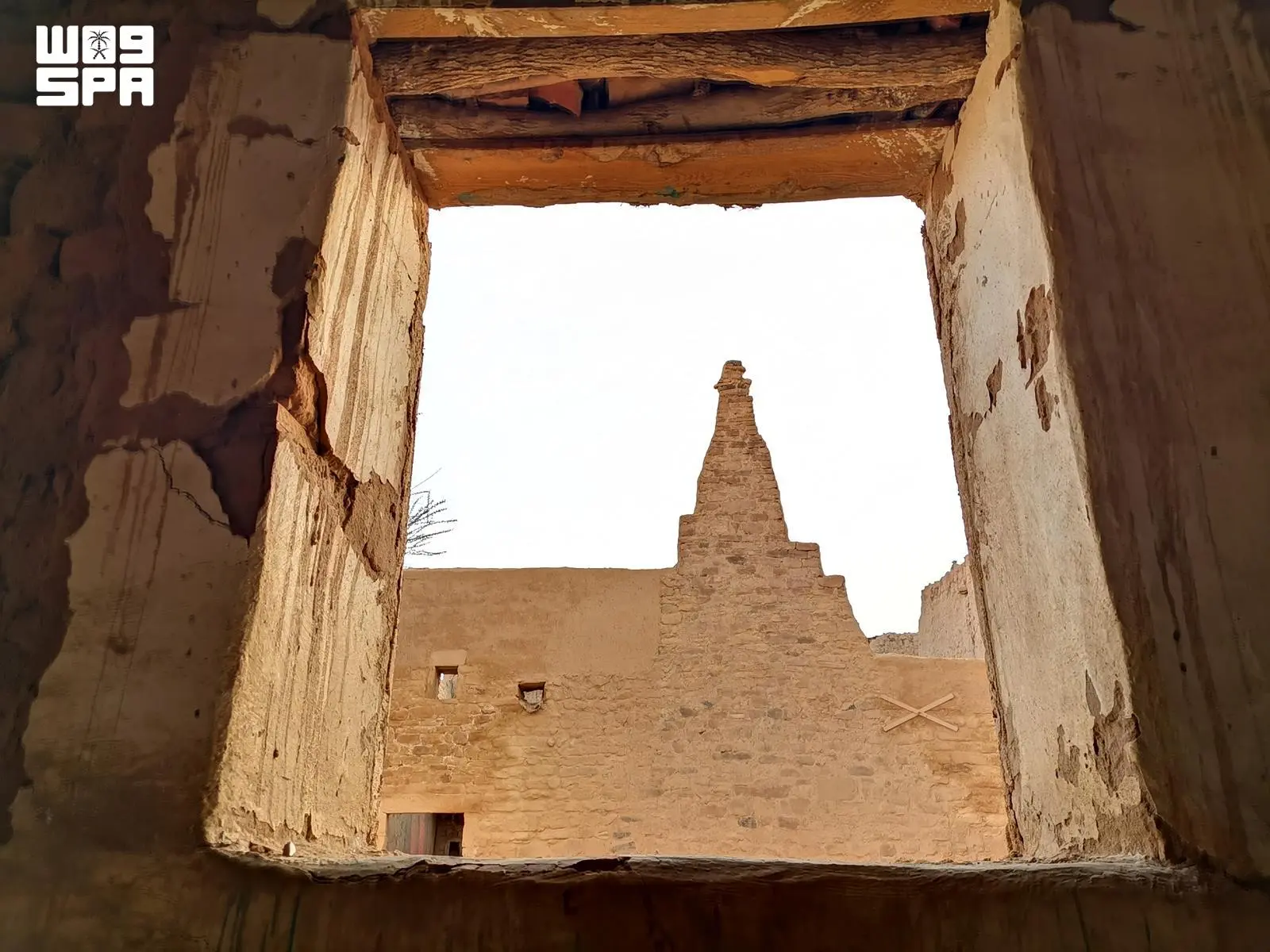
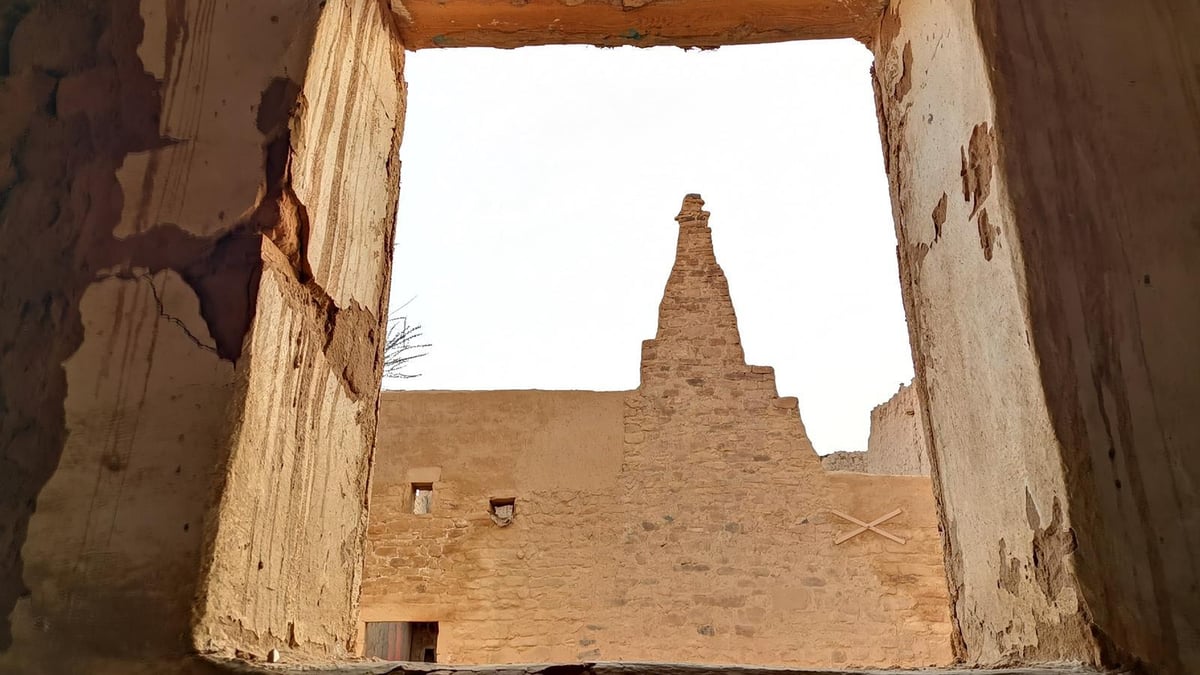
Standing in the heart of the old town of AlUla Governorate, Al-Tantoura bears witness to a civilizational legacy that has been linked to human life in the region for hundreds of years. It served as a temporal reference on which locals relied to determine agricultural seasons and the succession of seasons, and contributed to organizing daily and agricultural activities, making it one of the most prominent heritage landmarks that embody the memory and authenticity of the place.
Al-Tantoura is a sundial built according to a precise system based on the movement of the sun and shadow, and was used by successive generations to determine the timing of agricultural seasons, the beginning of the Arba'aniya (the 40-day winter period), and the four seasons, reflecting the deep knowledge of the environment and natural phenomena possessed by the inhabitants of AlUla, and their ability to employ it in organizing their lives.
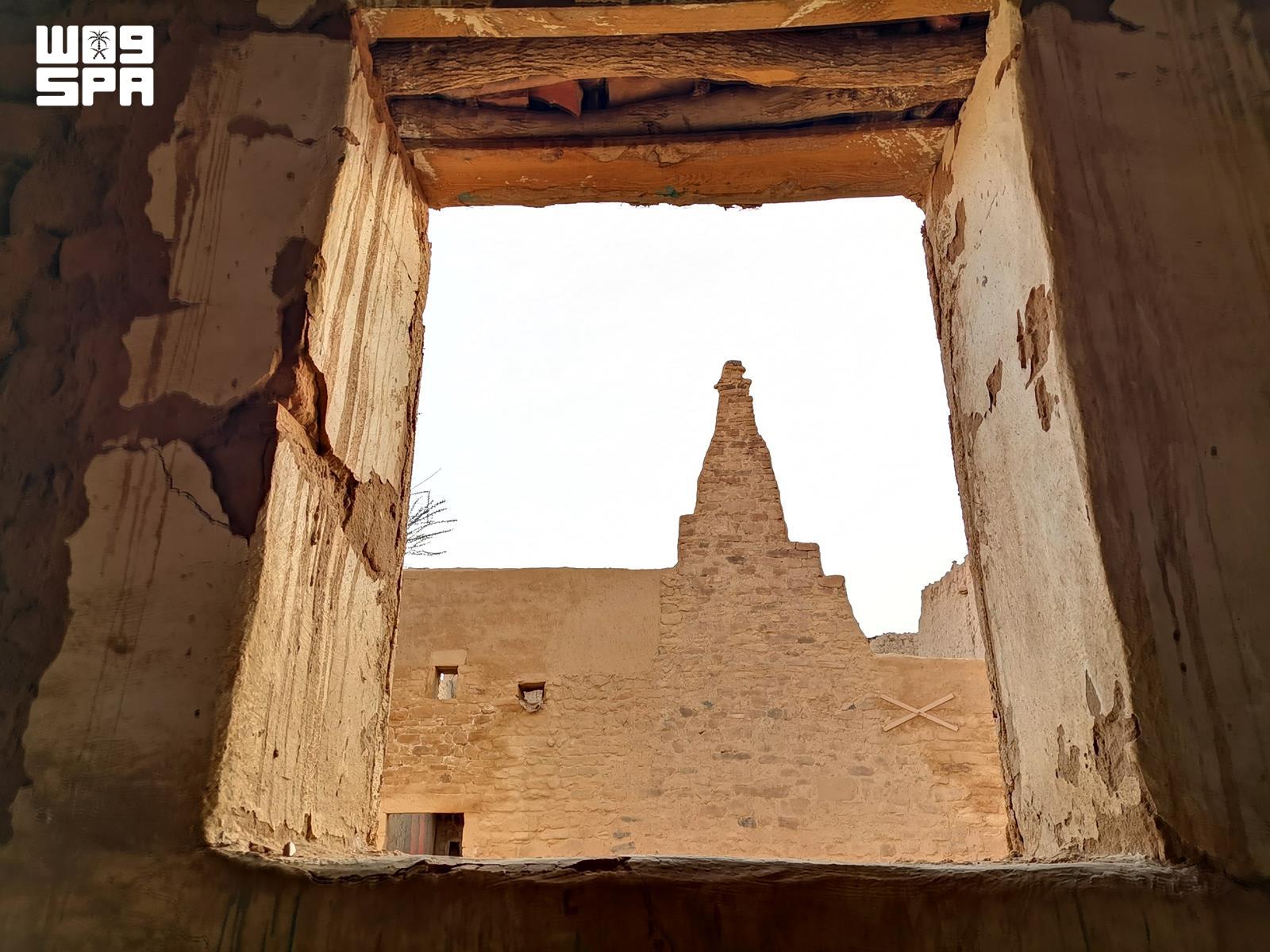
Al-Tantoura retains its position in the middle of the old town, which dates back about seven centuries, harmonizing with the traditional urban fabric of buildings, markets, and historical alleyways, telling part of the history of AlUla and offering visitors an experience that evokes aspects of the social and economic life that the oasis witnessed through the ages.
The old town continues to welcome visitors as one of the most prominent cultural and heritage destinations in the governorate, while Al-Tantoura remains a symbol of inherited knowledge and a testament to the accuracy achieved by local communities in measuring time and organizing their agricultural seasons, affirming the depth of the civilizational legacy that AlUla abounds with and the continuity of its presence in the cultural scene today.
Original source: Sabq
Comments (0)
Be the first to comment.