Mud Houses in Asir: An Architectural Heritage Telling the Story of 'The Sky is Your Earth'
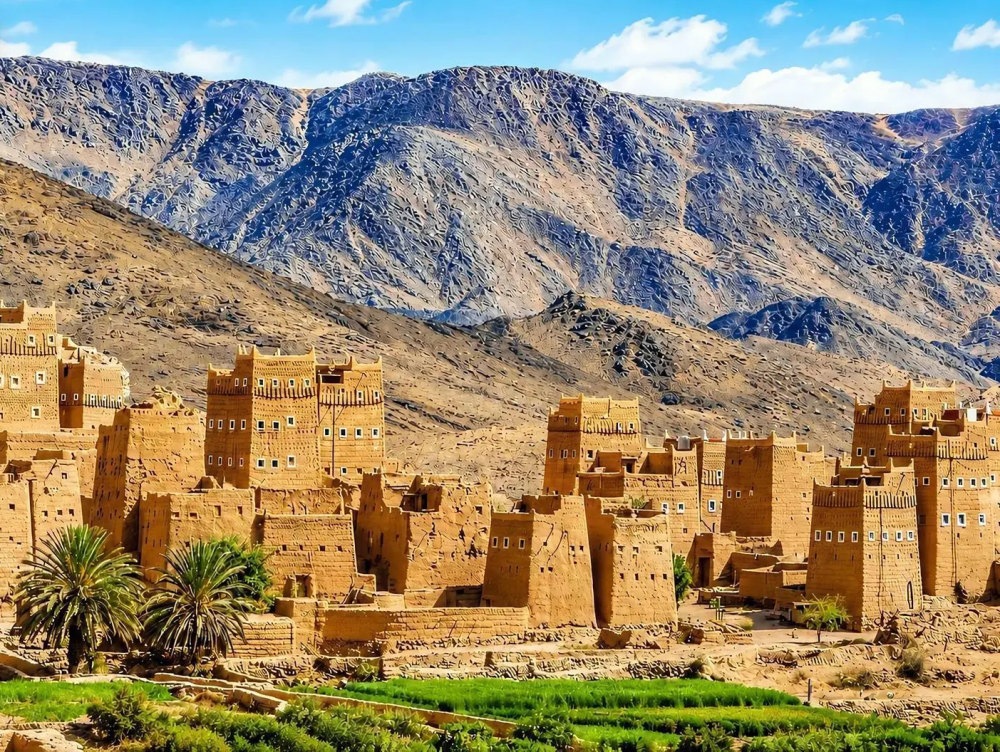
The mud houses in the Asir region embody an architectural heritage spanning centuries, and today they stand out as one of the destinations embodying the slogan of Asir Summer 'The Sky is Your Earth'. They are scattered across historic villages on mountain peaks and slopes, in a scene where traditional architecture harmonizes with nature, offering a unique model of the architectural heritage the region abounds with, reflecting human ingenuity in utilizing the local environment to build durable homes that have preserved their authenticity for hundreds of years.
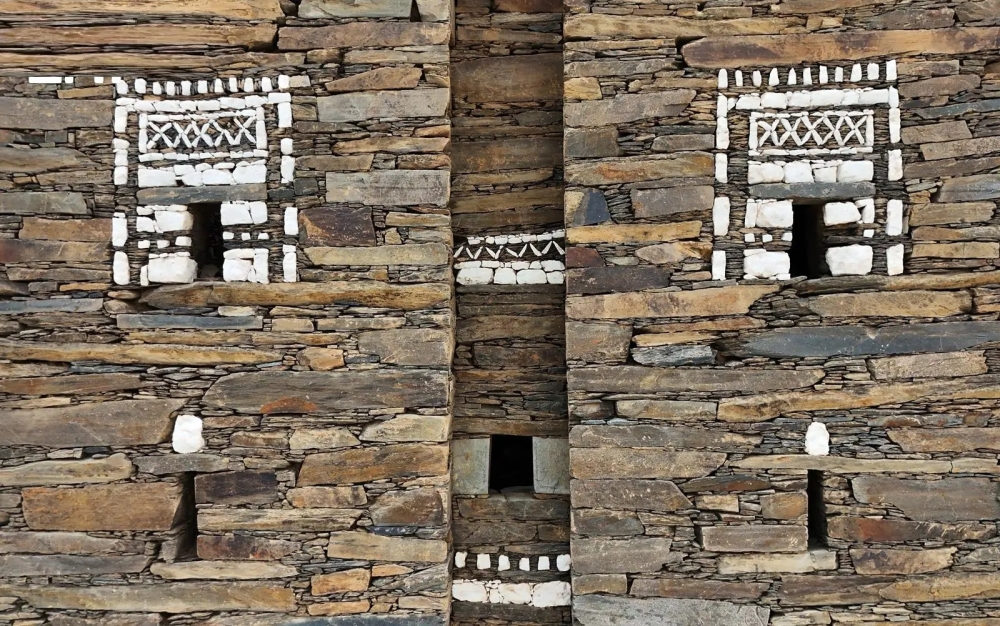
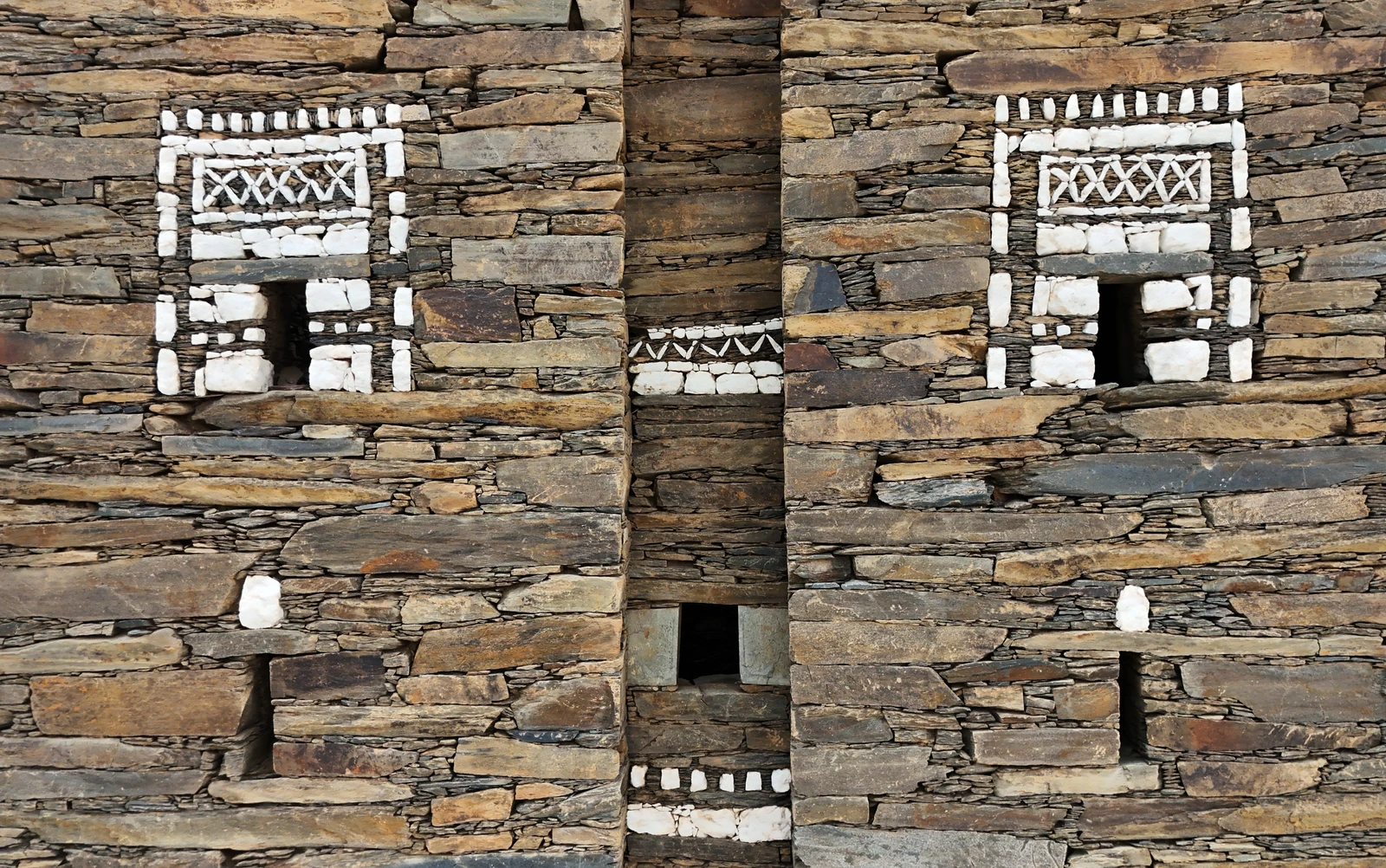
The mud houses were built using rammed earth reinforced with local wood and stones, according to inherited construction methods that considered the terrain and climatic conditions, and contributed to the construction of multi-story buildings characterized by their durability and thermal insulation efficiency, along with their harmony with the surrounding environment, reflecting an evolution in traditional building techniques for which the region is known.
Related news
Unique Architectural Character: The mud houses in Asir are distinguished by their unique engineering and architectural character, designed according to construction principles that consider the nature of the highlands and slopes, while achieving a balance between durability, function, and beauty. The building masses harmonize with the site's topography, and the details of facades, windows, and ceilings blend with the surrounding environment, reflecting a local architectural school passed down through generations that managed to employ natural resources to produce a distinctive architectural style, considered one of the most prominent models of traditional architecture in the Kingdom and the Arabian Peninsula. Villages containing mud houses are spread across several governorates of the Asir region, most notably Dhahran Al Janoub, Al Harjah, Khamis Mushait, Sarat Abidah, and Ahad Rafidah, where many of their original features remain preserved, representing a cultural asset documenting the history of traditional architecture and highlighting humans' ability to adapt to the highland environment and establish integrated urban communities. These villages are surrounded by agricultural terraces and valleys, in a scene that embodies the close relationship between humans and place, offering visitors an experience where nature harmonizes with architectural heritage, reflecting the meaning behind the slogan 'The Sky is Your Earth', as the houses stand at great heights touching the clouds, giving visitors an exceptional experience in the heart of nature.
Simplicity and Efficiency: Architect Abdullah Al-Mu'annes explained that the mud houses in Asir represent an advanced model of traditional architecture, as ancient builders relied on engineering solutions compatible with the highland nature, using rammed earth, wood, and local stones to construct multi-story buildings characterized by their thermal insulation and resistance to climatic factors, which contributed to their remaining intact for hundreds of years. He added that the interior design of the mud houses was simple and efficient in space utilization, where the ground floor in many villages was allocated for storing supplies, grains, and agricultural tools, and in some cases for housing livestock, while the upper floors were designated for family residence, including a guest lounge, bedrooms, living rooms, a kitchen, and dedicated food storage areas, ensuring privacy and meeting family needs. Regarding the architectural value of these houses, Al-Mu'annes stressed that it is not limited to building materials but extends to the planning style, structural engineering, space distribution, and coordination between buildings, embodying an advanced architectural thought that preceded many concepts of sustainable construction and contributed to creating integrated villages that preserved their identity and functions for hundreds of years.
Humanization of Heritage Villages: Architect Abdullah Al-Mu'annes pointed out that the village planning was in harmony with the highlands' topography, where the distribution of buildings took advantage of natural slopes, while the thickness of walls, small window openings, and the use of local wood in roofs contributed to natural ventilation and maintaining moderate temperatures inside buildings in summer and winter. This reflects inherited architectural expertise and advanced engineering awareness in employing local environmental elements to build durable and sustainable homes. The Asir Development Authority, in cooperation with the Heritage Authority and relevant bodies, continues to implement initiatives and projects to preserve historic villages, through documentation, rehabilitation, developing their urban surroundings, and implementing the 'Humanization of Heritage Villages' project, preserving their architectural identity, enhancing their presence as cultural and tourist destinations, and contributing to highlighting the region's architectural heritage, achieving the goals of Saudi Vision 2030 in preserving national heritage and investing in it as a driver of sustainable development.
Original source: Al-Yaum

Comments (0)
Be the first to comment.