Grazing and Tree Cutting Top Environmental Reports
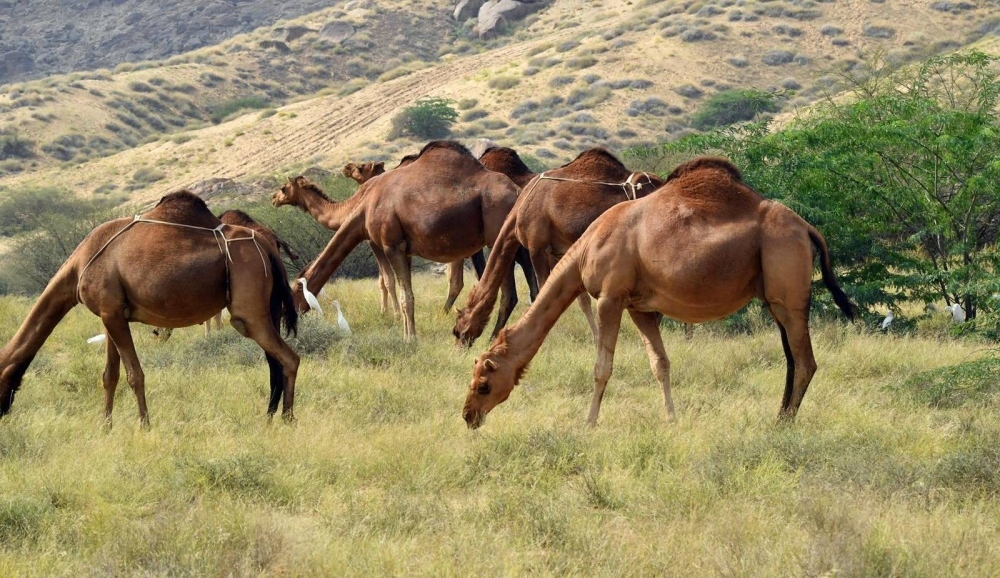
The National Center for Vegetation Cover Development and Combating Desertification recorded 2,385 reports, distributed across 19 types of environmental reports. The percentage of processed reports reached 98.91% with a total of 2,359 reports, compared to 26 reports rejected at 1.09%. The Qassim region topped the environmental reports as the region with the most reports in the Kingdom, totaling 588 reports (25%). Reports of regions: The center's report for 2025 revealed recording 2,385 environmental reports. Qassim region accounted for the largest share of reports, recording 588 reports (25%), followed by Riyadh region in second place with 420 reports (18%), followed by Aseer region in third place with 358 reports (15%), then Hail in fourth with 235 reports (10%), Makkah in fifth with 230 reports (9.64%), Madinah in sixth with 157 reports (7%), Jazan in seventh with 116 reports (5%), Eastern Region in eighth with 98 reports (4%), Al-Baha in ninth with 64 reports (3%), Tabuk in tenth with 49 reports (2%), then Al-Jouf with 30 reports (1%), and finally the regions of Najran and Northern Borders with 20 reports each (0.84%). 19 types: The types of reports recorded 19 types of environmental reports, topped by grazing within pastoral reserves with 997 reports, most concentrated in Qassim, Hail, and Riyadh. Tree cutting came second with 534 reports, with Makkah, Jazan, and Madinah being the most recorded regions. Livestock browsing on trees came third with 213 reports, prominent in Qassim and Riyadh. Reports of encroachments and tampering in vegetation cover lands ranked fourth with 160 reports, with Aseer topping this type. Reports of selling local charcoal or firewood recorded 112 reports, concentrated in Riyadh and Qassim. Meanwhile, reports of leaving or dumping waste in forests and national parks recorded 102 reports, with the Eastern Region being among the most recorded for this type. These indicators reflect the diversity of environmental reports and the high level of community interaction with the reporting system, contributing to the protection of vegetation cover, reducing violations, and enhancing environmental sustainability across different regions of the Kingdom. Livestock browsing on trees means: livestock (such as sheep, goats, and camels) eating the leaves, tender branches, and buds of trees. It is also known as tree browsing or tree grazing, and differs from grazing within pastoral reserves; grazing refers to livestock feeding on grasses and ground plants, while tree browsing involves targeting the trees themselves and their parts. The most prominent damages include: weakening the growth of trees and shrubs, damaging buds and new branches, preventing regeneration of vegetation cover, increasing the likelihood of trees drying up or dying, especially young trees, and harming biodiversity and natural habitats. Most regions environmental reports: Qassim: 588, Riyadh: 420, Aseer: 358, Hail: 235, Makkah: 230, Madinah: 157, Jazan: 116, Eastern: 98, Al-Baha: 64, Tabuk: 49. Most types of environmental reports: Grazing within pastoral reserves: 997, Tree cutting: 534, Livestock browsing on trees: 213, Encroachments and tampering: 160, Selling local charcoal and firewood: 112, Dumping and leaving waste in forests and parks: 102.
< Previous PageNext Page >
Original source: Al-Watan




Comments (0)
Be the first to comment.