Ancient Coins in AlUla Tell Its Economic History Over 28 Centuries

Ancient coins discovered in AlUla reveal its economic history and trade prosperity over 28 centuries.
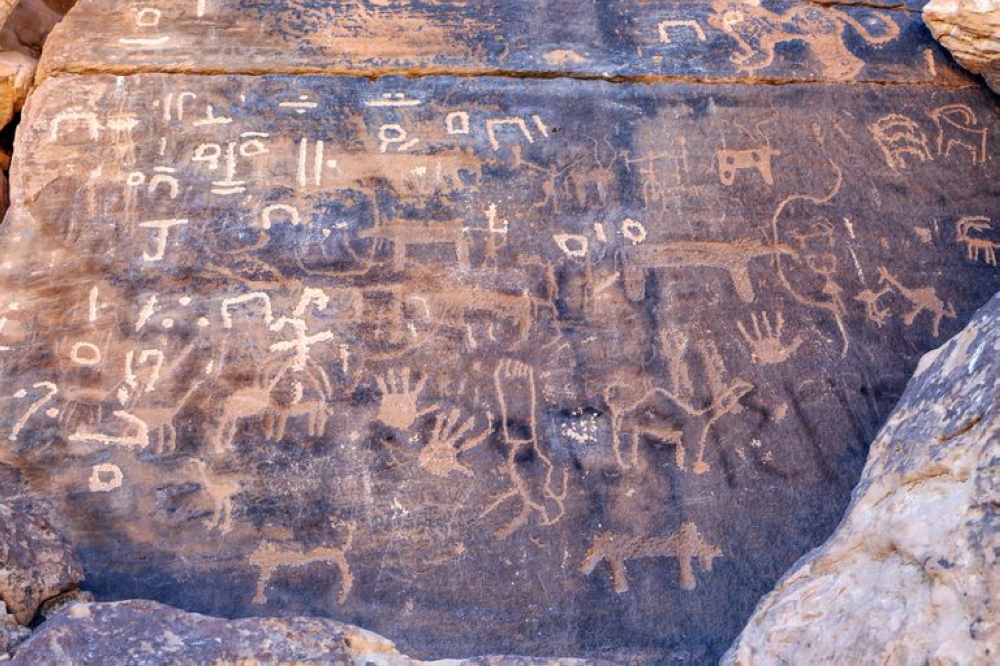
The ancient coins discovered in AlUla Governorate reveal an important aspect of its economic history, as material evidence documenting the flourishing of trade, and highlighting the governorate's status as a cultural center linked to caravan routes and exchange networks in northwestern Arabia and the ancient world across successive historical periods.
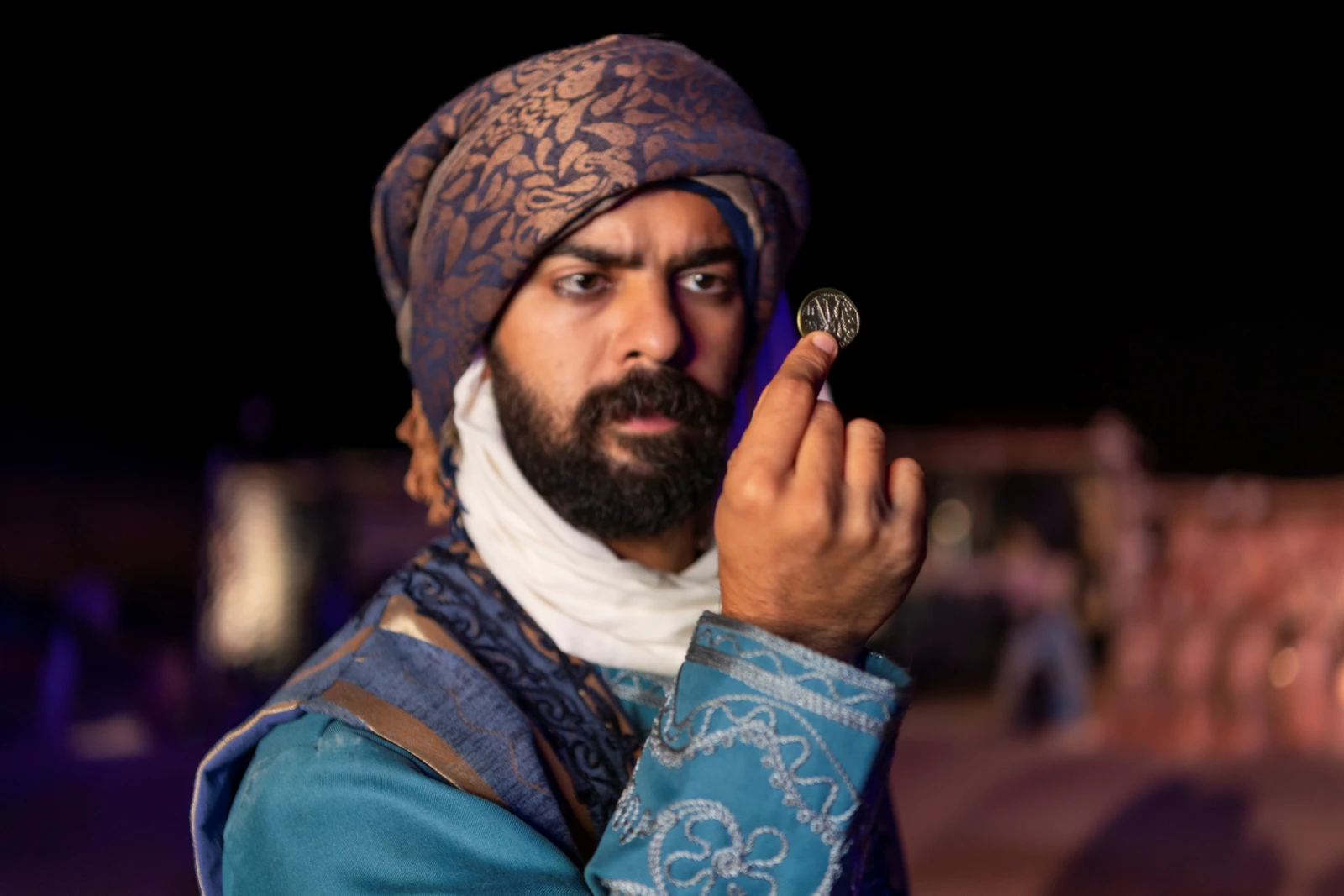
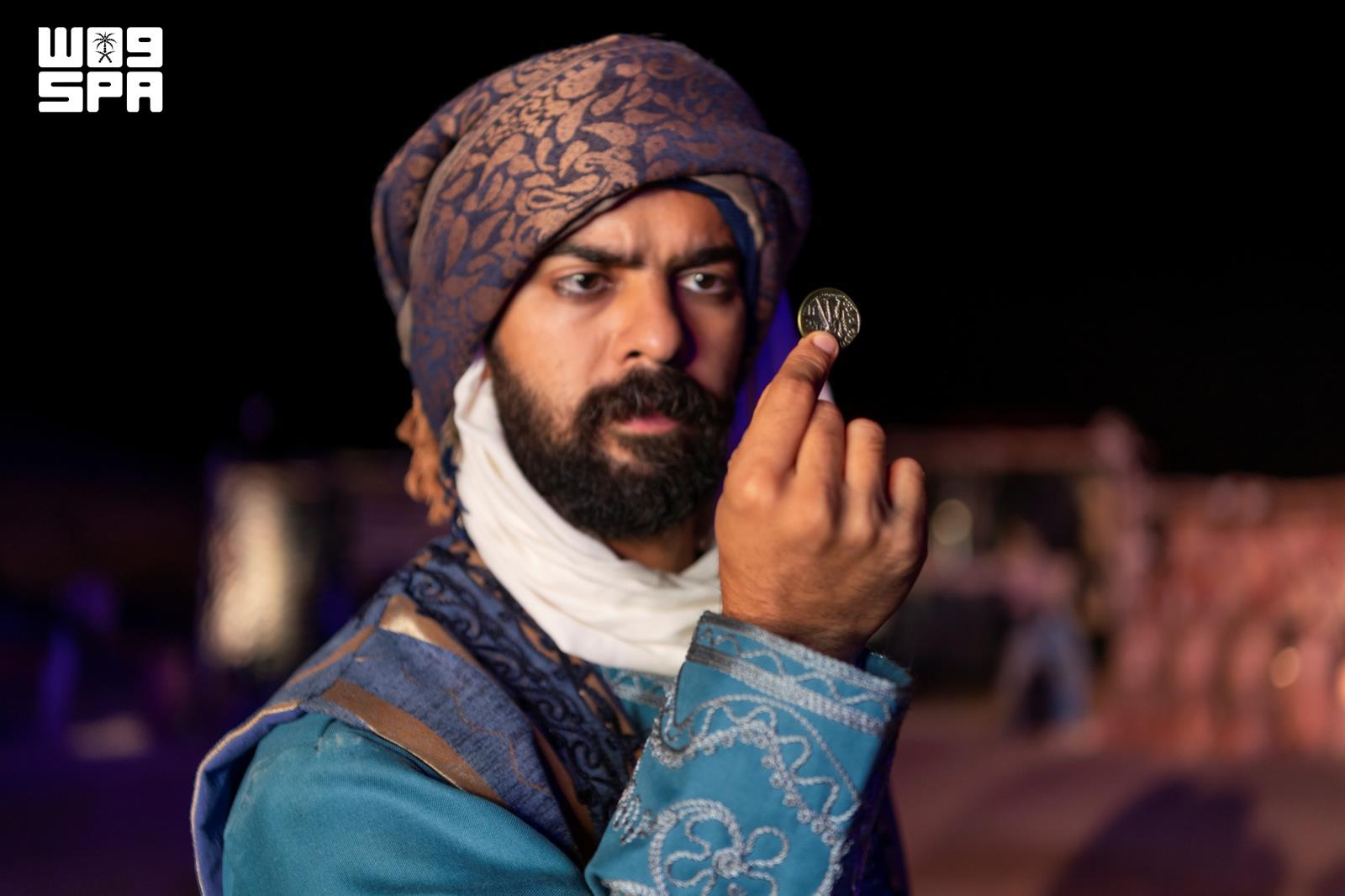
Coins are among the most prominent archaeological finds relied upon by researchers in studying economic activities, as they contribute to determining periods of monetary circulation, coinage systems, and trade relations between civilizations, in addition to the inscriptions, symbols, and writings they bear that reflect the political and cultural identity of the eras in which they were minted.
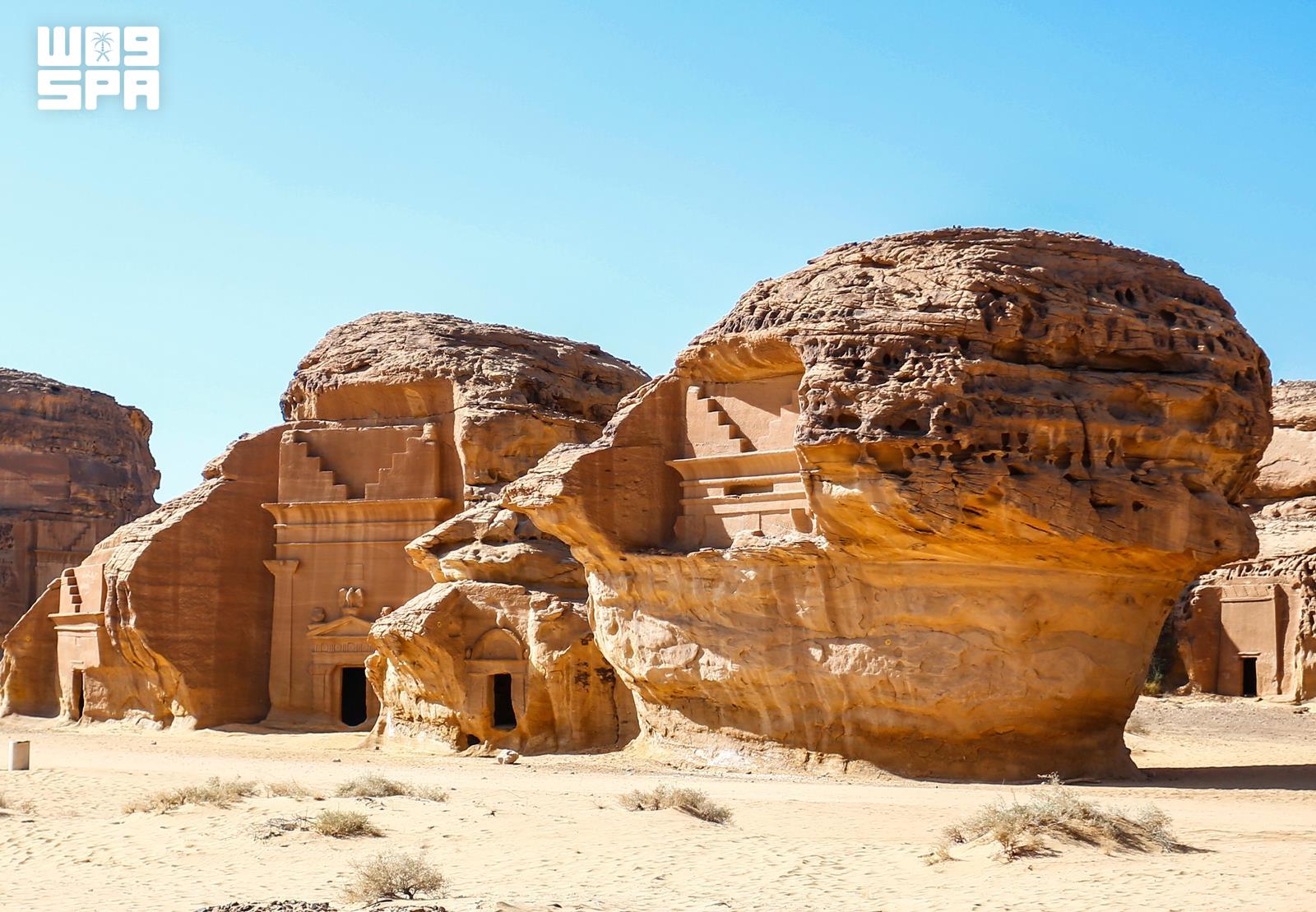
Archaeological discoveries at the Hegra site have revealed diverse models of coins dating back to different historical periods, most notably:
- Silver coins dating back to the 8th and 7th centuries BC.
- Nabataean bronze coins minted during the reign of King Aretas IV and Queen Shaqilat during the 1st century AD.
- Umayyad Islamic coins dating back to the late 1st century AH and early 8th century AD.
These discoveries indicate that AlUla was not merely a stop on caravan routes, but an active center for the exchange of goods and cultures, influenced by regional monetary systems, and contributing to the stimulation of trade that linked southern Arabia with the Levant, Egypt, and the Mediterranean basin.
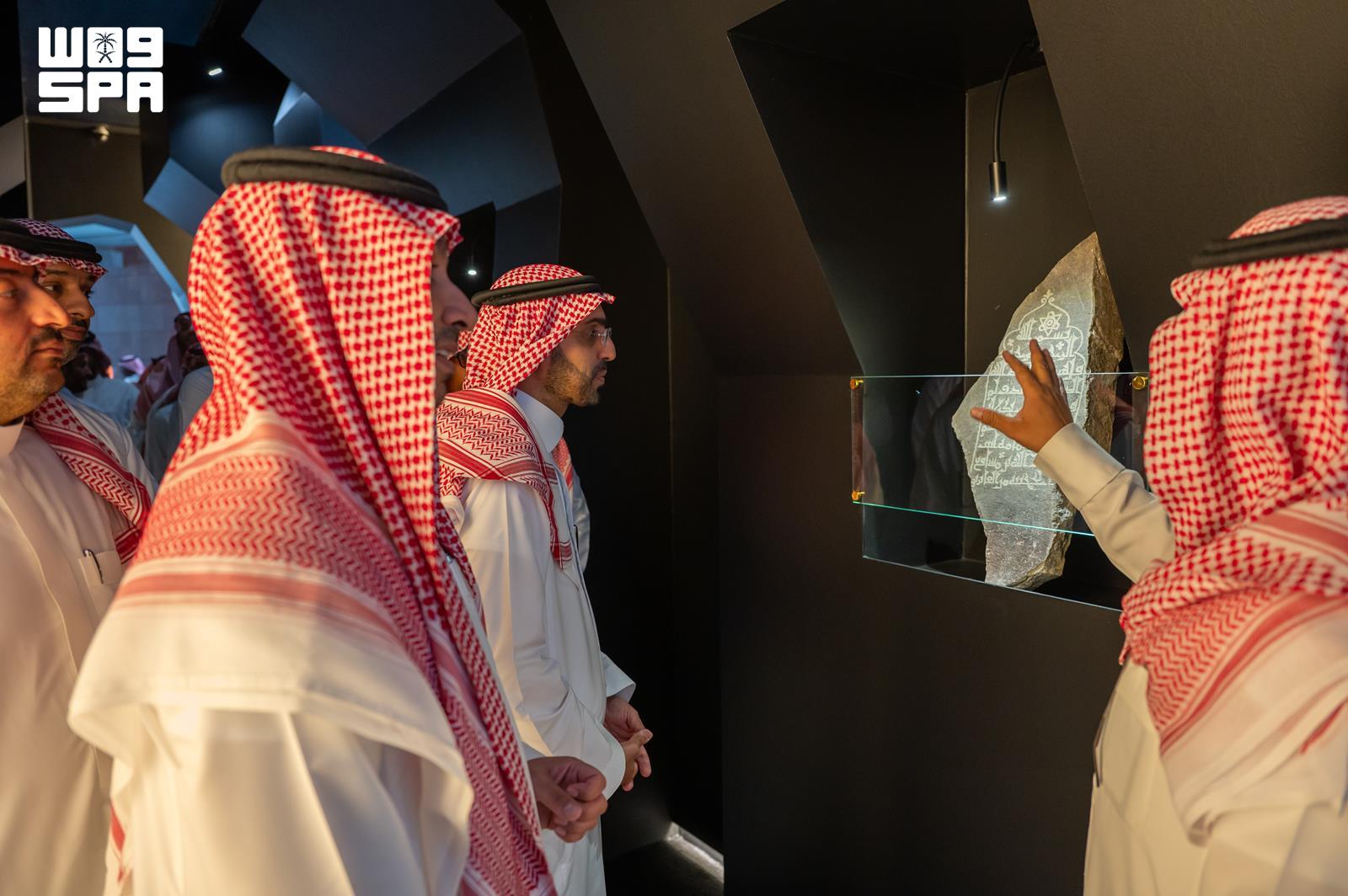
Archaeological studies in AlUla continue to employ these discoveries in reading the region's history from an economic, social, and political perspective, thereby enhancing understanding of the development of commercial activity and highlighting the cultural value of the archaeological sites within the governorate as a historical record documenting its flourishing phases and its pivotal role on the ancient caravan routes.
Original source: Sabq

Comments (0)
Be the first to comment.