Saudi Women's Empowerment in Non-Profit Sector under Vision 2030
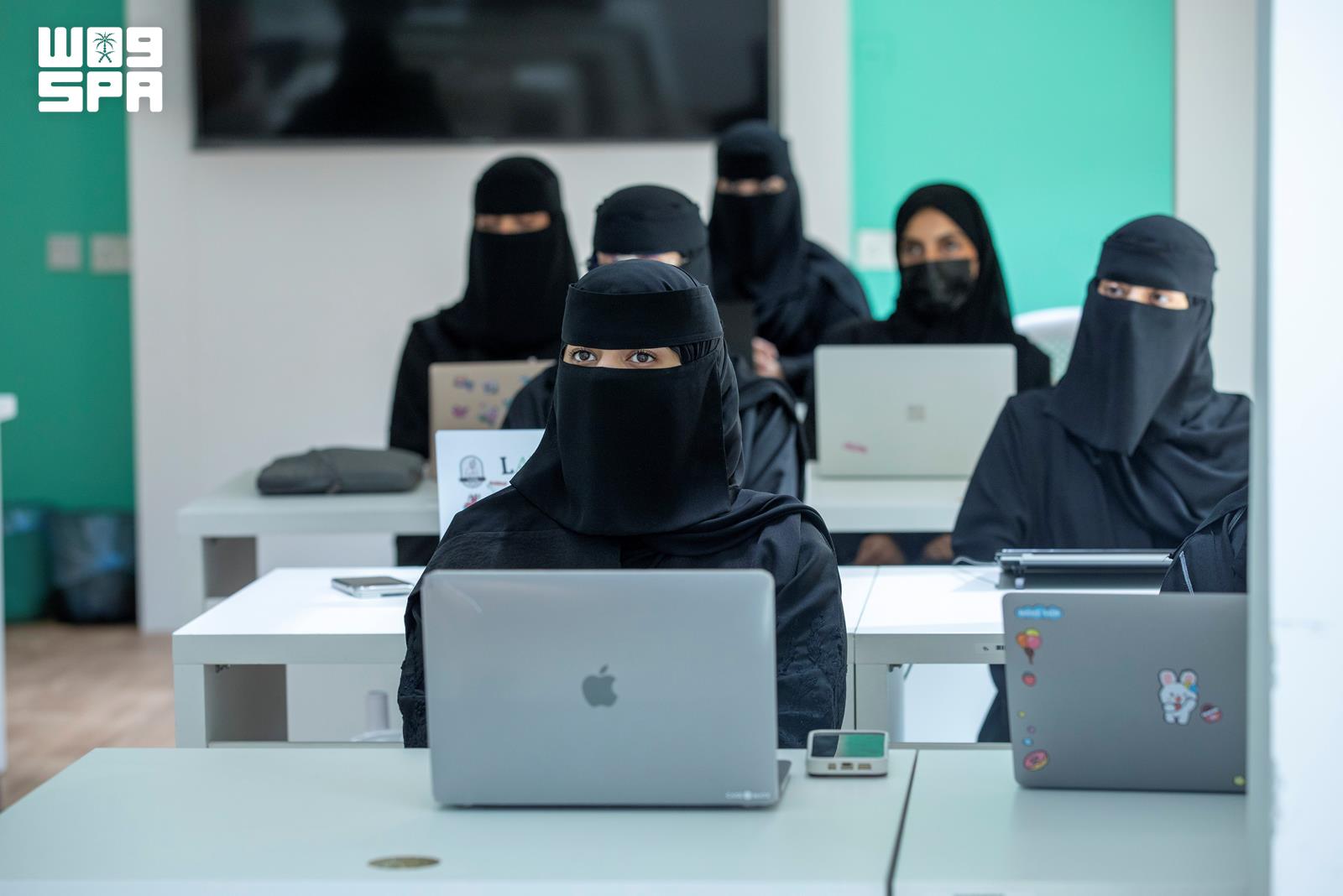
Saudi women have become key partners in the non-profit sector amid national transformations under Vision 2030, with the sector experiencing unprecedented growth in organizations, volunteers, and developmental spending, and women shifting from beneficiaries to leaders in sustainability efforts.
Riyadh, Muharram 25, 1448 AH, corresponding to July 10, 2026, SPA - The Women's Newsletter of the Saudi Press Agency, part of the Women's Media Service of the Federation of Arab News Agencies (FANA). Prepared by: Saja Aref. Against the backdrop of the major national transformations taking place in the Kingdom, Saudi women have emerged as key partners in development and as impact-makers in the non-profit sector, driven by an ambitious vision that reshapes society's role and opens wide horizons for volunteer work, social innovation, and empowerment of the most needy groups. Vision 2030 aligned with the passion of Saudi women, resulting in a growing presence in leadership, expansion of professional roles, and a qualitative shift in the nature of initiatives they lead; today women have become a pivotal element in building a more conscious, cohesive, and sustainable society.
National Transformations and the Role of Women in the Non-Profit Sector: The non-profit sector in the Kingdom has witnessed unprecedented growth in recent years, driven by national transformation programs and direct support from the wise leadership. According to a report by the National Center for Non-Profit Sector Development in 2025, issued today, June 30, the number of non-profit organizations increased by more than 341% compared to previous years, reaching 7,200 organizations by the end of 2025. The number of specialized organizations supporting national priorities rose to 5,495, a rate of 96.8%. The sector's contribution to GDP reached 1.40%, with a value of approximately 66 billion riyals, alongside an expansion of its workforce, which numbered 141,432 compared to no more than 19,200 in 2017. The number of volunteers exceeded 1.7 million during the same year, while the economic value of volunteering per person per day reached about 305 riyals after being no more than 4 riyals in 2018. The number of volunteer opportunities available to the Kingdom's residents rose to about 552,000 opportunities, compared to only 43,000 opportunities in 2018. The number of volunteer hours exceeded 80 million hours, according to the annual report of the Kingdom's Vision 2030 for 2024. Meanwhile, the number of volunteers serving the Guests of God (pilgrims) exceeded about 184,000 volunteers in 2025, compared to 2024, with a growth rate of 20%, reflecting a clear operational shift in absorbing energies and directing them in the field according to the highest standards. Regarding the direction of resources toward impact, developmental spending within the total spending of the non-profit sector rose to 6.1 billion riyals, compared to about 1.6 billion riyals in 2017, confirming the growing efficiency of resource allocation toward higher-return developmental programs. In terms of service quality and beneficiary experience, indicators show that the satisfaction rate of beneficiaries of non-profit organizations' services reached approximately 90%, compared to the baseline of 73% in 2019—a development reflecting the impact of governance work, operational efficiency improvement, quality enhancement, and transparency. On this, the Executive Director of the Learning Difficulties Association, Dr. Firdous Jibril Falah, told the Saudi Press Agency (SPA): 'This growth directly reflected on women's participation, as they have become an integral part of the developmental work system, whether in leadership, implementation, or volunteering. Women's initiatives diversified between educational and awareness initiatives, programs supporting persons with disabilities, economic empowerment of productive families, health and prevention initiatives, cultural initiatives and heritage preservation, and childhood and family programs. The importance of this presence is not limited to the volume of participation but extends to building what is known as social capital—that is, enhancing trust, cooperation, and solidarity among community members, which is one of the main indicators of sustainable development and quality of life.'
Women's Presence in the Non-Profit Sector in Recent Years: The Chairwoman of the Board of Directors of the Women's Committee for Community Development in Riyadh Region, Her Highness Princess Noura bint Mohammed bin Saud, confirmed to SPA that attention to women in the Kingdom of Saudi Arabia is a firmly established strategic principle in the state's approach since its founding. She explained that from the beginning, the Saudi leadership—may God support them—believed that the nation's renaissance and prosperity cannot be achieved without the participation of all its sons and daughters in the process of construction and development. She pointed out that an observer of women's participation in the non-profit sector notices that, within the framework of Vision 2030, women's presence in this sector has shifted from being mostly beneficiaries of its welfare programs to significantly contributing to directing the sector toward achieving sustainability requirements, and moving its programs from welfare practices to practices enabling financial sustainability. She stressed that this change in the sector's character from welfare to sustainable has opened the door for women to actively participate in empowering its initiatives, programs, and projects, and that this is reflected in the numbers that show women's contribution to this sector across various fields, whether in endowments, charitable work, humanitarian work, relief work, social responsibility, or volunteering. She noted that women's participation in this field has helped direct the course of endowments to support the non-profit sector in contributing to the national output, which, according to the Kingdom's Vision report issued in 2025, reached 1.4%.
Original source: SPA




Comments (0)
Be the first to comment.