Royal Commission for Riyadh City Reviews Urban Development of Central Commercial Artery
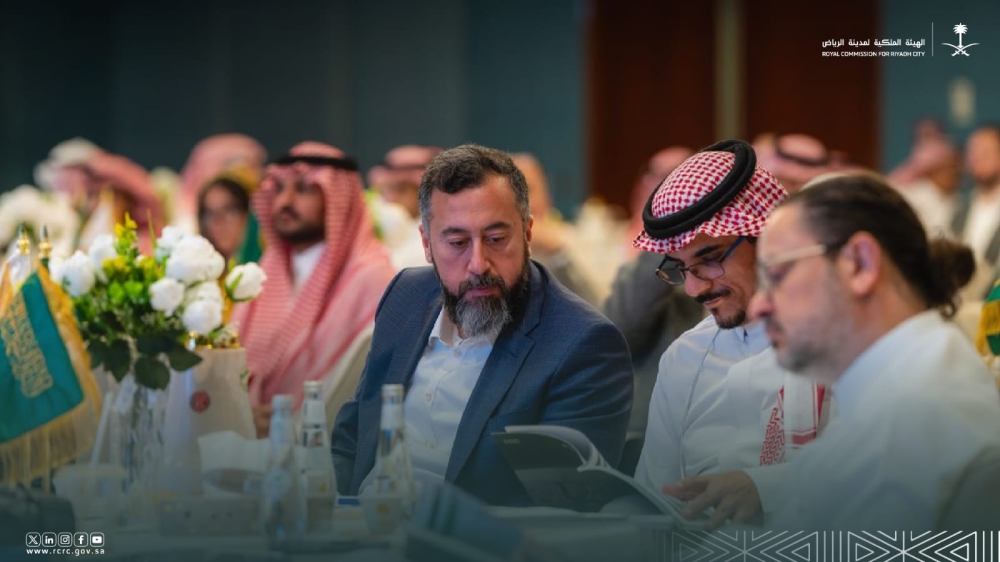
The Royal Commission for Riyadh City held an introductory meeting that brought together landowners, investors, real estate developers, and engineering and technical offices, with the attendance of relevant government entities, to introduce the design and architectural guidelines for the area extending between Al-Orouba Street in the south and the Northern Ring Road in the north, within the central commercial artery of the capital, and to review its objectives, implementation mechanism, and procedures for issuing licenses within the area.
The meeting reviewed the vision and objectives of the area, the design and architectural guidelines, and the most prominent elements of urban development, along with the concept of the green strip as one of the main elements in organizing the urban landscape, enhancing the interconnection between pedestrian paths, public spaces, and natural elements within the area.
Related News
Organizing Urban and Architectural Development
The meeting also addressed the objectives that the guidelines seek to achieve, namely organizing urban and architectural development, establishing the urban identity of Riyadh, improving the pedestrian experience, raising the quality of the public realm, integrating uses, and enhancing green spaces, contributing to building a higher quality and more vibrant urban environment. The meeting reviewed the development value provided by the guidelines by increasing the building ratio and floor areas according to clear controls and standards, enhancing land investment efficiency, raising the quality of development and urban and architectural outputs, and matching the area's status as one of the most important high-density, multi-use development axes in Riyadh, directly linked to the public transport network. The meeting also included a review of the guidebooks and their adoption mechanism, an explanation of license issuance procedures, as well as holding direct sessions with specialists to answer inquiries from owners, investors, developers, and engineering offices, contributing to unifying the regulatory reference, enabling stakeholders to deal with development requirements more clearly, and supporting the quality of implementation and achieving urban development objectives.
Original source: Al-Yaum





Comments (0)
Be the first to comment.