Jeddah's Al-Tayebat Museum Quranic Manuscripts: Evidence of Muslim Devotion to the Holy Book
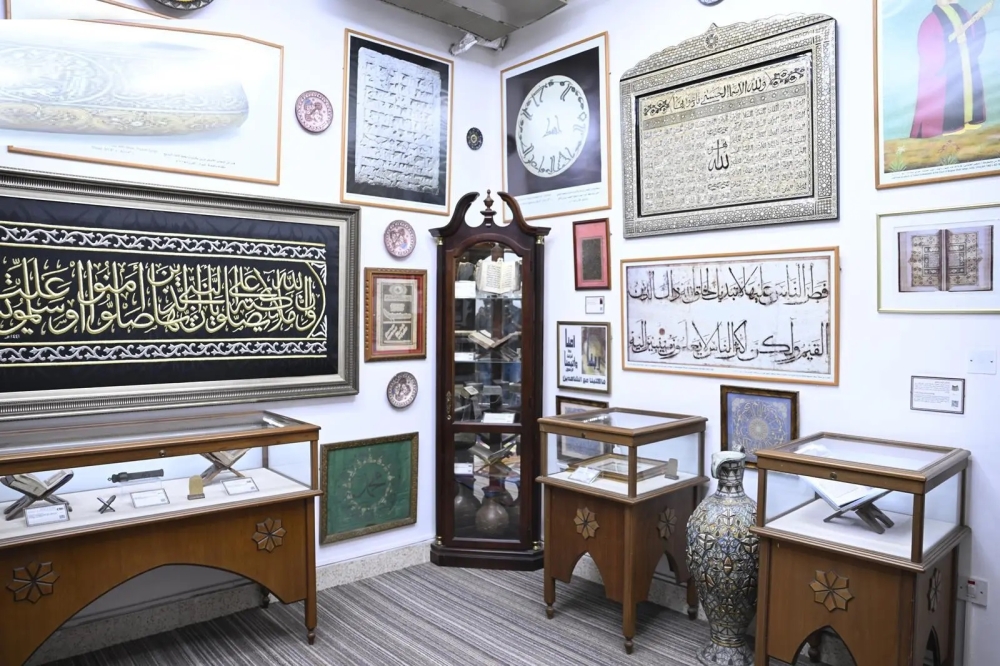
Al-Tayebat Museum in Jeddah houses a rare collection of Quranic manuscripts spanning over 1,000 years, showcasing the evolution of calligraphy and Islamic art.
The Al-Tayebat International Museum of Science and Knowledge in Jeddah houses one of the most prominent collections of rare Quranic manuscripts in the Kingdom, including Qur'ans and manuscripts dating from the 2nd to the 14th century AH, reflecting the evolution of the writing of the Holy Qur'an and Arabic calligraphy arts over more than 1,000 years.
This valuable collection highlights the diversity of artistic and calligraphic schools that flourished in Islamic civilization, as it includes models written in various types of Arabic calligraphy, from early Kufic script associated with the earliest Qur'ans, through Naskh, Thuluth, Muhaqqaq, and Rayhani scripts, to decorated Qur'ans reflecting the artistic evolution in Qur'an production across Islamic eras.
Related News
The value of these manuscripts is not limited to their historical dimension, but they represent living evidence of Muslims' care for the Book of God, and the precision of copyists and calligraphers in writing the Holy Qur'an, along with the decorations, gilding, and artistic creations that reflect the flourishing of Islamic civilization in its various stages.
Rare Artifacts of Islamic Arts
The museum dedicates a wing to Islamic civilization that includes, alongside the Quranic manuscripts, rare artifacts of Islamic arts, covers of the Kaaba, and archaeological pieces of copper, ceramic, and glass, providing visitors with a comprehensive educational experience documenting various aspects of Islamic heritage. Al-Tayebat Museum, founded by Abdulraouf Khalil, is one of the most prominent private museums in the Kingdom, spanning an area of approximately 10,000 square meters, and including more than 120 halls, each hall containing two rooms displaying thousands of heritage and archaeological pieces that document the history of the Arabian Peninsula and human civilizations. It welcomes researchers and those interested in heritage and culture from inside and outside the Kingdom.
The museum's collection of Quranic manuscripts reflects the high status that the Holy Qur'an has enjoyed throughout Islamic history, and also highlights the artistic and scientific legacy left by calligraphers and copyists, as these treasures remain a testament to the evolution of the arts of Qur'an writing and preservation over the centuries.
Original source: Al-Yaum





Comments (0)
Be the first to comment.