Crown Prince and Women's Empowerment in Cybersecurity
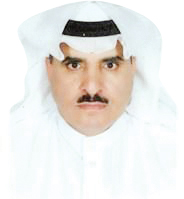
Last week, the Kingdom submitted a draft UN resolution on women's empowerment globally in the field of cybersecurity, which was approved and adopted without a vote by the Human Rights Council during its 62nd session held in Geneva last week. This official Saudi initiative on women's empowerment, particularly in cybersecurity, underscores the role Riyadh plays on the international stage in various fields. The resolution aims to support women's engagement in this vital sector, which suffers a professional gap, as women represent only 22%…
Aqil Al-Aqil
Crown Prince and Women's Empowerment in Cybersecurity
July 12, 2026 - 00:02 | Last update July 12, 2026 - 00:02
Follow Okaz channel on WhatsApp
Last week, the Kingdom submitted a draft UN resolution on global women's empowerment in cybersecurity, which was approved and adopted without a vote by the Human Rights Council during its 62nd session in Geneva last week. This official Saudi initiative on women's empowerment, particularly in cybersecurity, underscores the role Riyadh plays on the international stage in various fields. The resolution aims to support women's engagement in this vital sector, which suffers a professional gap, as women represent only 22% of the global workforce in this vital field. Moreover, women hold only 7% of leadership positions in the sector. Additionally, women face challenges in cybersecurity work, including issues such as wage disparity and the need for work conditions that accommodate their roles as wives and mothers. Systems are expected to evolve to achieve fair gender balance in workforce representation, wages, and other aspects.
The Saudi UN initiative stems from an initiative by His Highness the Crown Prince Mohammed bin Salman, may God protect him, which he launched during the 2020 annual cybersecurity meeting. Two global initiatives were announced: the first regarding child protection in cyberspace, and the second 'Women's Empowerment in Cybersecurity.' Today, we witness the embodiment of this initiative at the international level through its adoption by the United Nations. Undoubtedly, the Saudi UN initiative carries specific goals, programs, and determinants.
The Kingdom has shown remarkable interest in this important sector in our current era by organizing international cybersecurity forums. Last year, Riyadh hosted the 2025 International Cybersecurity Forum under the patronage of King Salman bin Abdulaziz, may God protect him, under the theme 'Shared Gains in Cyberspace.' It was attended by decision-makers and experts in this field from all over the world, and discussed the sector's conditions and ethics, which have not yet reached an internationally agreed level, in addition to the economics of cybersecurity.
The Kingdom is working to fill these gaps in many areas and empower women in them. We are witnessing a Saudi renaissance in several governmental and private sectors, particularly in this field. Saudi women are actively participating and working in this vital sector through academic specializations in Saudi universities that focus on cybersecurity, training, and then employment in major companies in the Kingdom for graduates of this specialization. International studies indicate that low percentages of graduates from scientific disciplines such as mathematics, chemistry, and physics pursue cybersecurity studies. This is not a local or Arab issue but a global one—there is a gap and shortage of workers in this vital sector, reaching 2.5 million cybersecurity graduates.
The Saudi Cybersecurity Authority is one of the key entities working in cybersecurity, developing the profession and programs for everyone, with some programs available to the public and online. Its certification generally helps in employment. Undoubtedly, this sector requires more attention for both men and women, as it protects national security in all its dimensions—security, economic, social, and military—and is one of the tools for defending homelands.
Original source: Okaz


Comments (0)
Be the first to comment.