Cultural / Al-Ula Transforms Historic Buildings from Silent Memory into Spaces for Life and Culture
Cultural / Al-Ula Transforms Historic Buildings from Silent Memory into Spaces for Life and Culture
Al-Ula, Safar 01, 1448 AH, corresponding to July 15, 2026, SPA – Historic and heritage buildings in Al-Ula Governorate are no longer silent witnesses to the past; instead, they have become an active part of the governorate's present, after rehabilitation projects repurposed them to play cultural, tourism, and economic roles, in a model that balances preserving the authenticity of the place and achieving sustainable development goals.
These projects embody a concept that goes beyond traditional restoration work; they are based on preserving historic and heritage buildings while repurposing them in line with their architectural value, transforming them from structures that ceased to function decades ago into destinations that welcome visitors, host cultural activities, contribute to stimulating economic activity, and create new opportunities for local community members.
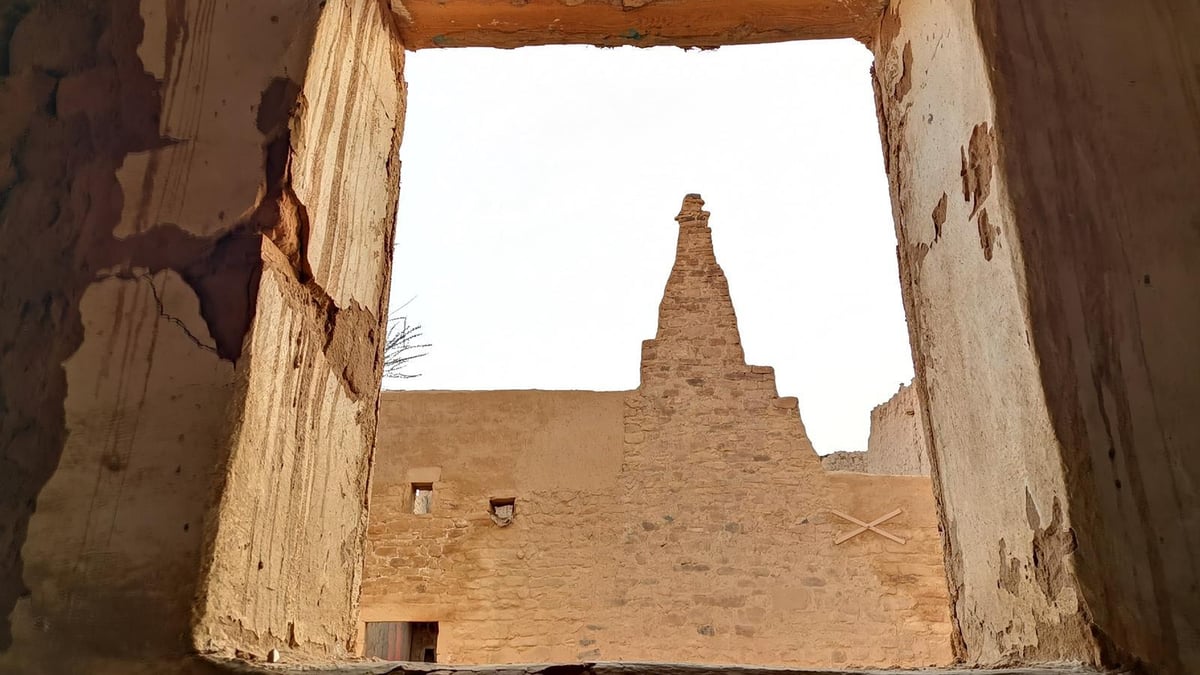
The old town of Al-Ula is one of the most prominent examples of this transformation. Its history spans more than seven centuries and includes hundreds of buildings made of mud brick and stone, along with mosques, markets, and historic alleyways that once formed the center of social and economic life in the governorate.
With the relocation of residents to modern neighborhoods over the past decades, the houses were left vacant, yet the place retained its historical value and human memory, still present in the details of buildings and alleys, and in the stories linked to the lives of the people, passed down through generations.
Since the launch of Saudi Vision 2030, historical and heritage sites in Al-Ula have entered a new phase based on preserving the architectural legacy and repurposing it, preserving the identity of the place and granting it a renewed presence that enhances culture, tourism, and the local economy.
Rehabilitation work is carried out according to a methodology that ensures the preservation of the original elements of the buildings, using traditional materials and inherited construction techniques, and leveraging the expertise of local craftsmen, thus safeguarding the architectural character of the site, preserving knowledge related to mud architecture, and ensuring its continuity for future generations.
Development was not limited to buildings alone but included squares and historic pathways that regained their vitality to host shops, cafes, restaurants, traditional crafts, and art galleries, in a scene that restored the place's role as a center of life and community interaction.
With the return of activity to these buildings, the memories of the residents who were born and raised in its alleyways and mud houses also returned, turning their stories and experiences into narratives they share with children, grandchildren, and visitors, embodying the continuity of the place's memory and its transformation from a past preserved in walls into a living heritage passed down through generations.
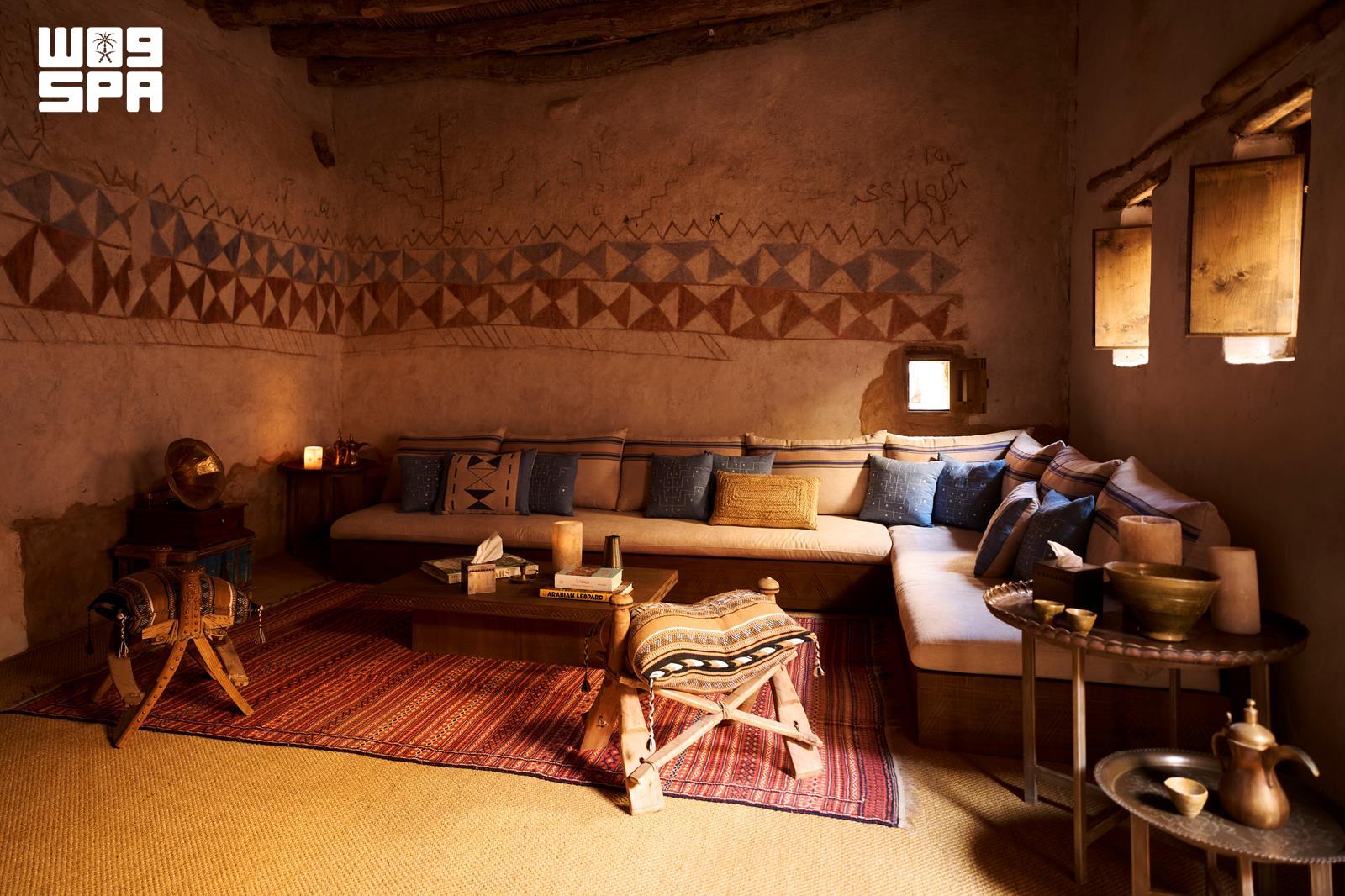
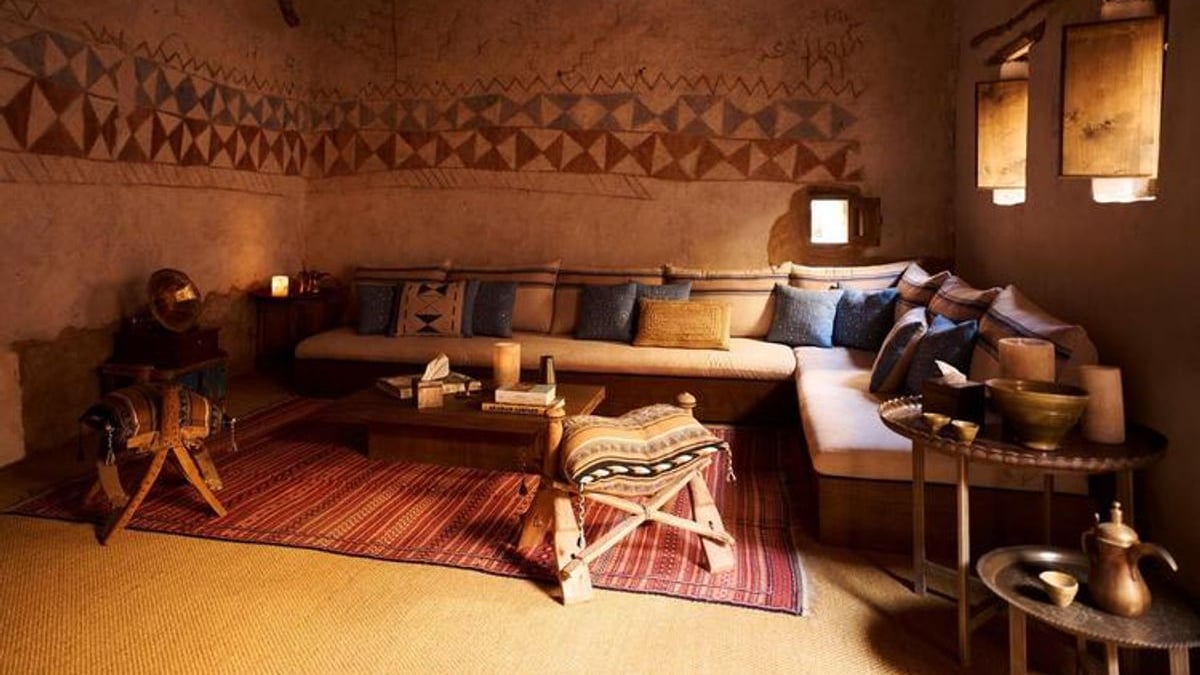
The "Dar Tantora" project represents a distinguished model for repurposing heritage buildings. Several historic homes were rehabilitated and converted into a hotel facility that adheres to environmental sustainability principles while preserving the original architectural identity of the site, reflecting the integration of heritage preservation and offering a unique hospitality experience. Its name is inspired by "al-tantora," the sundial historically used by Al-Ula residents to determine the timing of agricultural seasons and the succession of seasons.
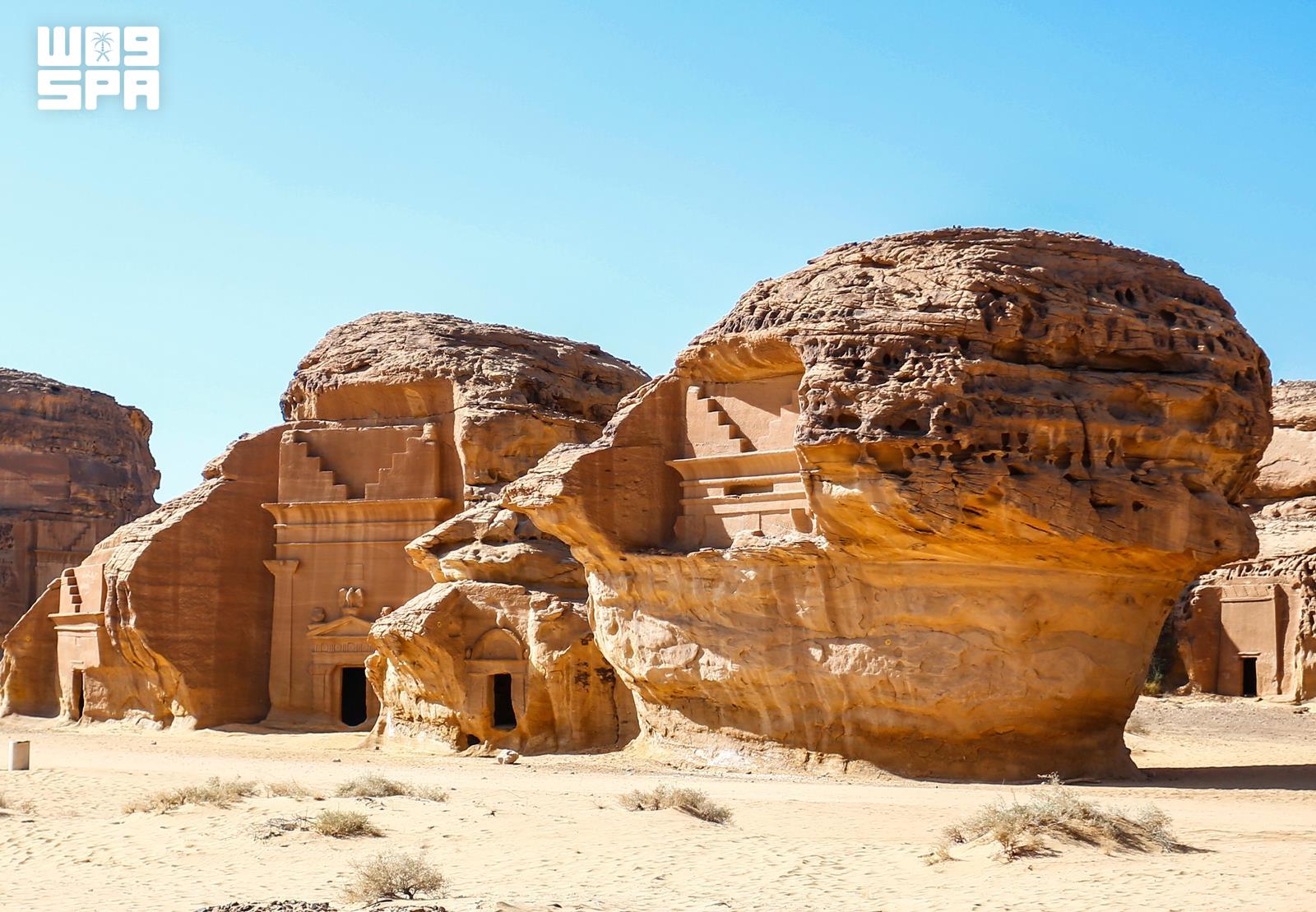
The historic Hejaz Railway Station within the Al-Hijr site offers another model for repurposing historic buildings. Its original structures were preserved and reused as part of a hotel facility, demonstrating the potential to invest in historic sites while maintaining their archaeological value and architectural elements.
Rehabilitation work included the adjacent historic oasis, whose agricultural character was preserved, and its pathways and mud walls were restored using traditional materials, reflecting the historical relationship between the oasis and urban development, as both were pillars that shaped human settlement in Al-Ula over the centuries.
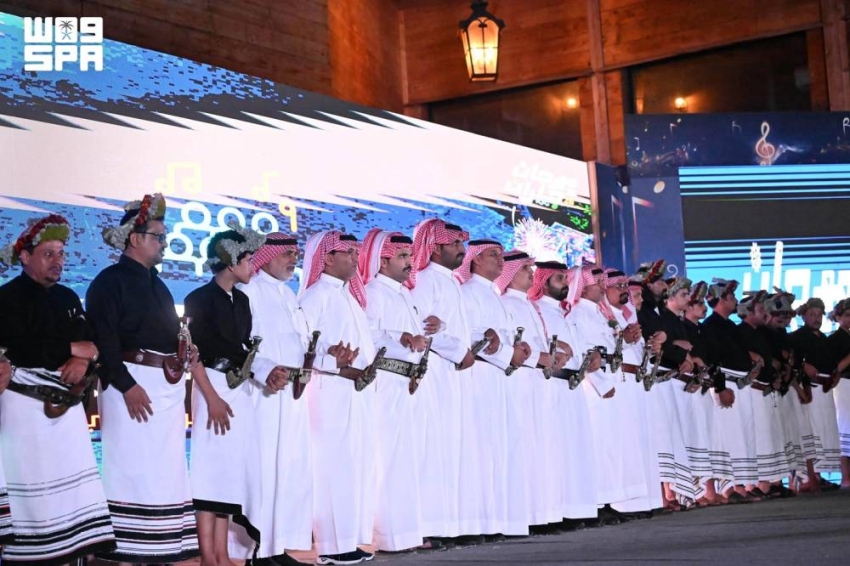
Throughout the year, the old town hosts cultural programs and diverse experiences that reintroduce the place as a space for arts, knowledge, and traditional crafts, offering visitors the opportunity to experience history in its authentic environment, turning a visit to the site into an experience that combines exploring heritage and engaging with its human details.
Through its ongoing programs in heritage preservation and repurposing, the Royal Commission for Al-Ula Governorate affirms its commitment to making historic sites a vital pillar in cultural and economic development, ensuring Al-Ula remains a cultural icon reflecting the art of balancing the preservation of historical legacy with envisioning a future proud of its identity. // End // 19:14 T M 0149
Original source: SPA


Comments (0)
Be the first to comment.