Developing an Indicator to Measure Readiness of Early Childhood Children for Transition to Primary School: 11 Decisions by the Shura Council
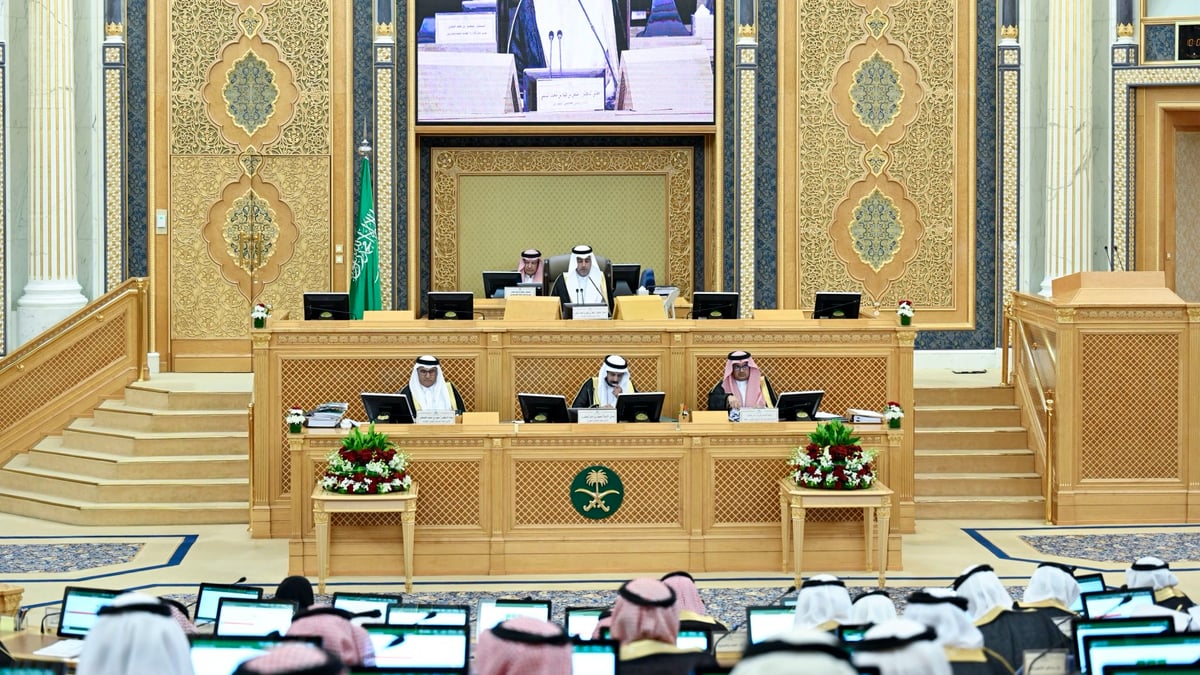
The Shura Council held its 43rd regular session of the second year of the ninth term today, chaired by the Deputy Speaker of the Council, Dr. Mishal bin Fahm Al-Sulami.
At the outset of the session, the Council reviewed the agenda of its 43rd regular session and the items therein, taking the necessary decisions regarding them.
The Shura Council issued a decision requesting the Ministry of Education to develop an indicator to measure the readiness of children in early childhood (pre-school age) for transition to primary school; to support continuity of learning and reduce gaps, and contribute to improving learning outcomes in subsequent stages.
The Council took its decision after hearing the viewpoint of the Education and Scientific Research Committee, presented by the committee chairman, Council member Dr. Nasser Tairan, regarding members' observations and opinions expressed in a previous session on the annual report of the Ministry of Education for the fiscal year 1446/1447 AH.
In its decision, the Council called on the ministry to study mechanisms and policies to benefit from the expertise of retired male and female teachers, making them a sustainable resource for the educational system.
The Council affirmed in its decision that the ministry should develop mechanisms to regulate the attendance of educational staff in schools; taking into account the nature of the educational process, and contributing to improving the quality of the school environment and educational outcomes.
The Council also requested the Ministry of Education to enhance the efficiency of the "Madrasati" platform by expanding the use of emerging technologies; to support the "smart schools" model, and enhance the readiness of the educational system to handle exceptional cases and emergency crises.
The Council emphasized that the ministry should evaluate the "Qabool" platform in its first year, and develop enablers to reduce cases of withdrawal and academic failure.
The Council also issued another decision during the session requesting the National Health Insurance Center to develop mechanisms for the hierarchy of health coverage between the center and other insurance entities; and to govern the claims of government health facilities; to ensure that those facilities or the center do not bear costs resulting from delays or non-payment of due claims.
The Council took its decision after hearing the viewpoint of the Health Committee, presented by the committee chairman, Council member Dr. Hassan Al Masloum, regarding members' observations and opinions expressed in a previous session on the annual report of the National Health Insurance Center for the fiscal year 1446/1447 AH.
In its decision, the Council called on the center to develop procedures to ensure continuity of care and treatment—without interruption—for patients with advanced and complex chronic diseases with ongoing health needs.
The Council also called on the center to govern referral pathways for treatment in private health facilities within the Kingdom and treatment abroad; ensuring that the center's decisions align with patients' needs; and ensuring parity in the level of care between treatment alternatives.
In the same context, the Council issued a decision requesting the Saudi Food and Drug Authority to complete the connection of all pharmacies to the electronic tracking system for pharmaceutical products "Rasd".
The Council took its decision after hearing the viewpoint of the Health Committee regarding members' observations and opinions expressed in a previous session on the annual report of the Saudi Food and Drug Authority for the fiscal year 1446/1447 AH.
In its decision, the Council called on the authority to develop regulatory and awareness mechanisms to reduce the circulation and promotion of unregistered herbal products in herbal shops.
The Council also called on the Saudi Food and Drug Authority to study expanding the training and qualification programs offered by its affiliated academy; including accrediting and providing them to all clients of the authority in the sectors under its supervision.
The Council affirmed in its decision that the authority should address regulatory challenges related to the circulation and sale of milk and dairy products from farms and producing families; achieving a balance between supporting producers and ensuring food safety.
The Council called on the authority to study expanding the involvement of the private sector in providing some of the authority's services, taking into account its competencies and regulatory role.
In another health context, the Council issued a decision requesting the Saudi Red Crescent Authority to educate the community about cases requiring urgent ambulance services, and to increase its preventive awareness efforts.
The Council took its decision after hearing a response from the chairman of the Health Committee, Council member Dr. Hassan Al Masloum, regarding members' observations and opinions expressed on the annual report of the Saudi Red Crescent Authority for the fiscal year 1446/1447 AH, after it was opened for discussion during this session.
In its decision, the Council called on the authority to study establishing a national framework to measure the impact of its ambulance services on patients' final outcomes after completing all stages of healthcare.
Among the decisions on the agenda of this session, the Council issued a decision calling on the Ministry of Investment to study the integration of institutional roles with the Investment Marketing Authority, and to measure the impact of the current model on spending efficiency and achieving investment targets.
The Council took its decision after hearing the viewpoint of the Commerce and Investment Committee, presented by the committee chairwoman, Council member Hanan Al-Samari, regarding members' observations and opinions expressed in a previous session on the annual report of the Ministry of Investment for the fiscal year 1446/1447 AH.
The Council affirmed in its decision that the ministry should measure the economic impact of the National Initiative for Global Supply Chains (Jisr) through clear performance indicators and time-bound targets, and link its results to the targets of the National Investment Strategy.
In its decision, the Council called on the ministry to develop follow-up mechanisms with investors in the final negotiation stages, and to activate electronic linkage of essential data with relevant entities.
The Council also requested the ministry to develop performance indicators to measure the volume of contracts awarded to local small and medium enterprises by attracted foreign companies; to ensure added value to the local economy.
In the same context, the Council issued another decision regarding the annual report of the Saudi Investment Marketing Authority for the fiscal year 1446/1447 AH, calling for building measurement indicators to evaluate and classify investment opportunities in regions before offering them to investors; including measuring regulatory readiness, infrastructure, and potential challenges.
The Council took its decision after hearing a response from the chairwoman of the Commerce and Investment Committee regarding the observations and opinions expressed by Council members on the annual report of the authority after it was opened for discussion during this session.
In its decision, the Council called on the authority to develop a methodology to measure the contribution of its programs and initiatives in attracting foreign direct investment, and link it to the targets of the National Investment Strategy.
The Council affirmed in its decision that the Saudi Investment Marketing Authority should govern the roles and responsibilities among relevant entities in attracting foreign direct investment.
In another decision issued during this session, the Shura Council requested the Ministry of Sports to study allocating seats at Saudi universities to attract distinguished athletes.
Original source: Ajel.sa




Comments (0)
Be the first to comment.