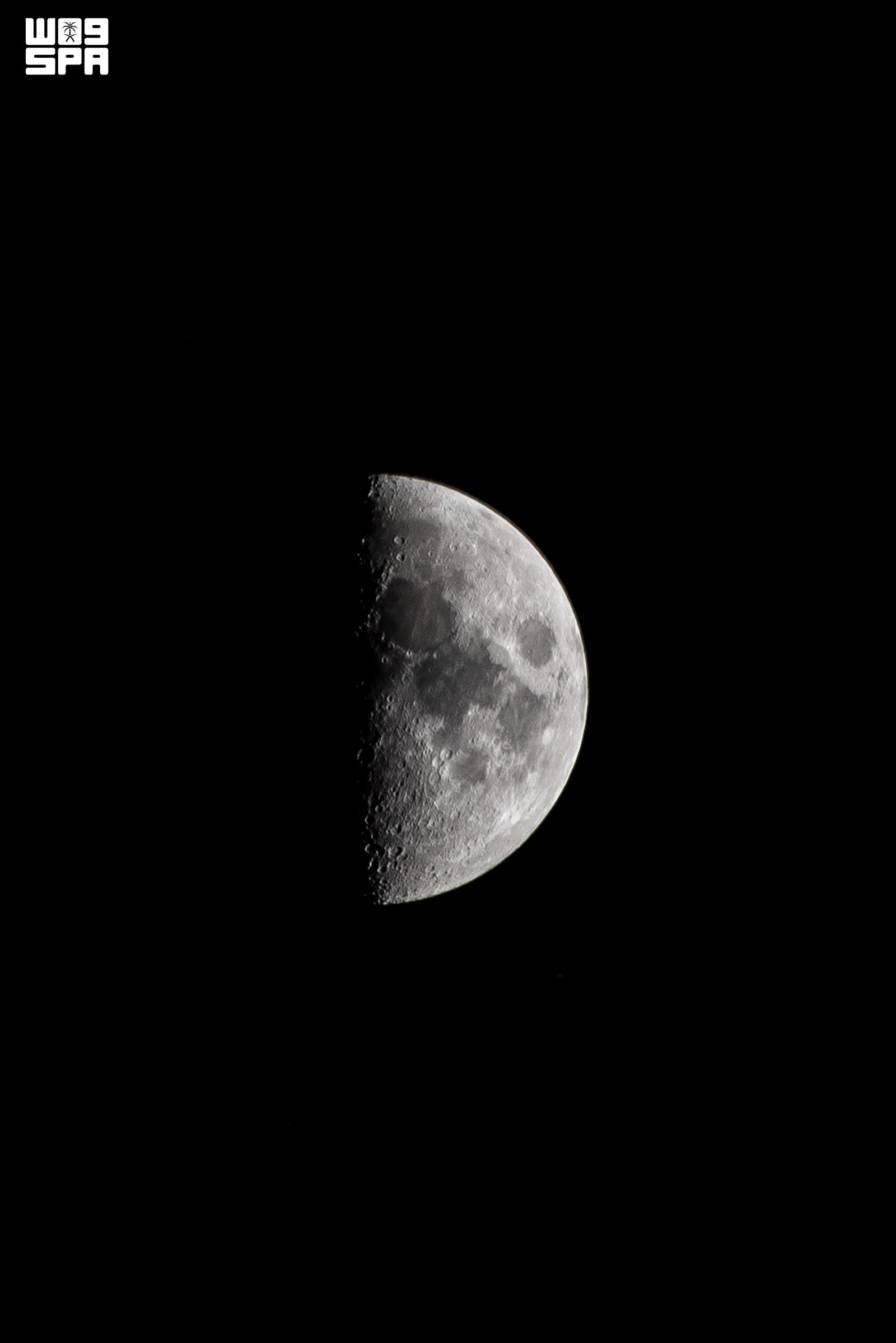
First quarter moon of Safar adorns the sky of the Northern Borders
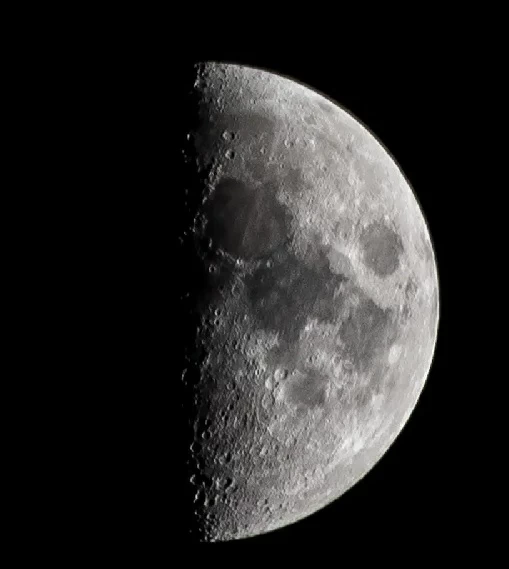
قمر التربيع الأول لشهر صفر يزيّن سماء الحدود الشمالية
نشر هذا التقرير في 21 يوليو 2026، الساعة 21:51، وتم آخر تحديث في التاريخ ذاته وبالتوقيت نفسه.
وتُعد مراقبة أطوار القمر من الظواهر الفلكية المنتظمة التي يتابعها الهواة والمتخصصون على حد سواء، لما تقدمه من فرص للرصد والتصوير الفلكي.
--:--
«عكاظ» (عرعر)
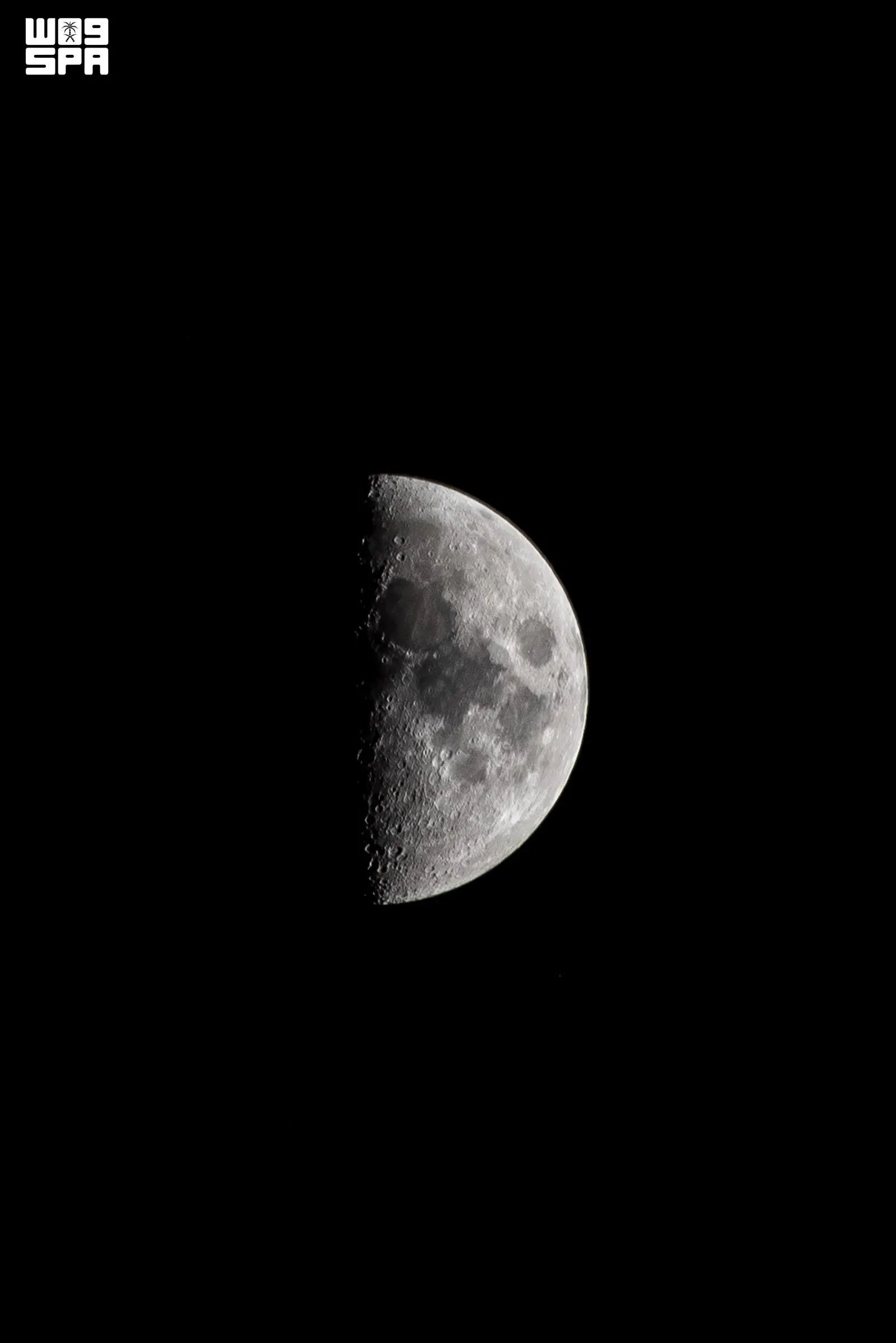
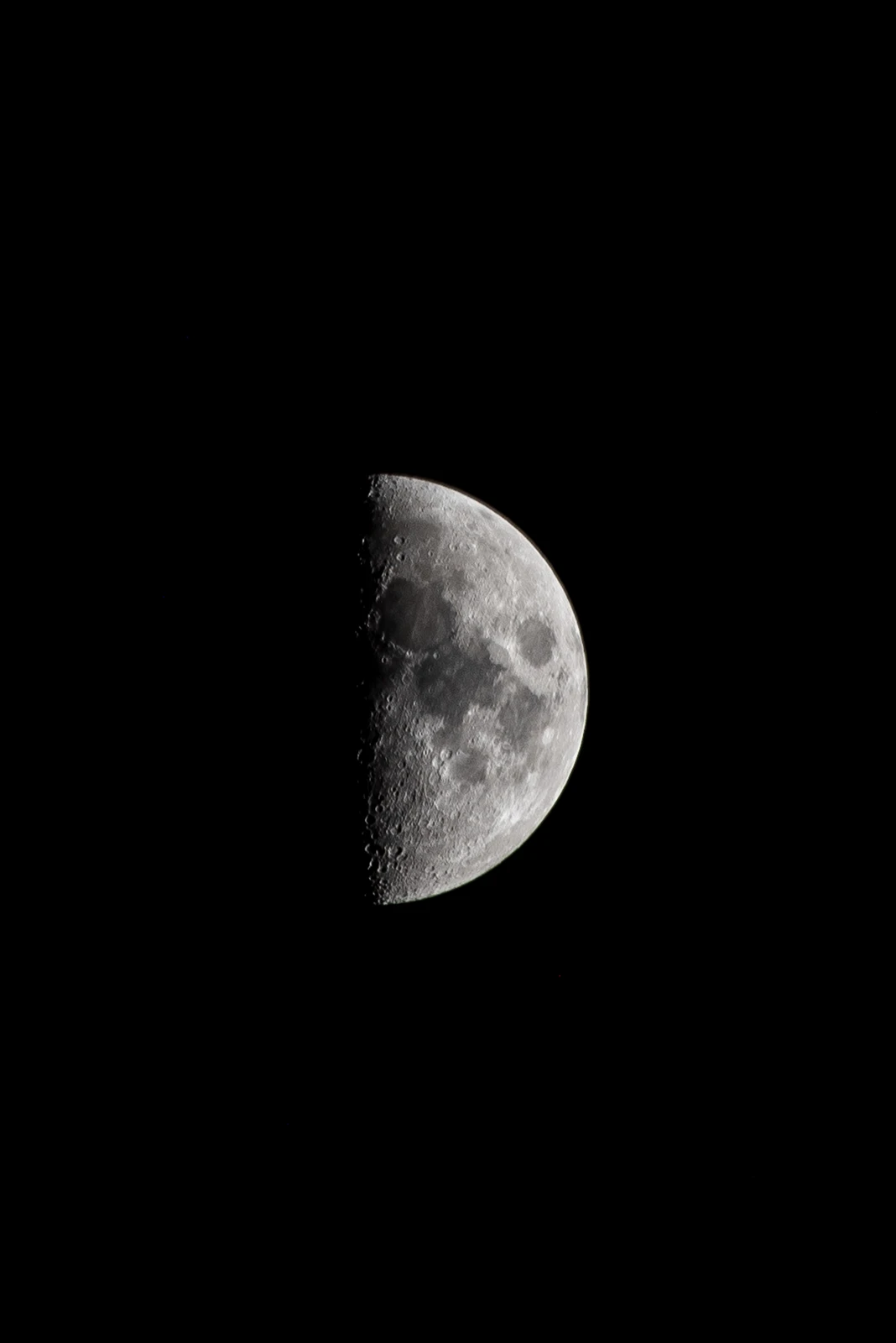
شهدت سماء منطقة الحدود الشمالية مساء اليوم ظهور قمر التربيع الأول لشهر صفر 1448هـ، وهو مشهد فلكي يمكن رؤيته بالعين المجردة بعد غروب الشمس، حيث بدا نصف قرص القمر مضاءً، دلالةً على مرور قرابة أسبوع على انطلاق الشهر القمري، في واحدة من أبرز مراحل دورة القمر الشهرية.
أفاد رئيس جمعية الفلك والفضاء بالحدود الشمالية، زاهي الخليوي، بأن طور التربيع الأول يتحقق عندما يشكل القمر زاوية تقارب 90 درجة مع الأرض والشمس، فتكون الجهة المقابلة للأرض مضاءة بنسبة تقترب من 50%، مشيراً إلى أن هذه المرحلة تُعد من أفضل الأوقات لاستكشاف تضاريس سطح القمر، إذ تُظهر الفواصل بين مناطق الضوء والظل تفاصيل الفوهات والجبال والسهول القمرية بصورة أكثر وضوحاً من الأطوار الأخرى.
وأفاد أن هذه الظاهرة الفلكية مثّلت فرصة مناسبة لهواة الرصد والتصوير الفلكي، خصوصاً في المواقع البرية بمنطقة الحدود الشمالية التي تتميز بصفاء الأجواء وانخفاض مستويات التلوث الضوئي، ما أسهم في الحصول على مشاهد أكثر وضوحاً ودقة.
وبيّن أن القمر سيواصل ازدياد الجزء المضاء من قرصه خلال الأيام القادمة حتى يكتمل بدراً في منتصف الشهر القمري، ضمن الدورة الطبيعية لمنازل القمر وأطواره التي تتكرر شهرياً، مؤكداً أن هذه الظواهر لا تمثل أحداثاً استثنائية، وإنما تُسهم في تعزيز الوعي الفلكي وتشجيع المجتمع على متابعة الظواهر السماوية والاستفادة منها في الرصد والتصوير العلمي.
The first quarter moon of the month of Safar 1448 AH adorned the sky of the Northern Borders region this evening, in a celestial scene that can be observed with the naked eye after sunset, where half of the moon's disk appeared illuminated, marking about a week since the beginning of the lunar month, in one of the most prominent phases of the moon's monthly cycle.
The head of the Astronomy and Space Association in the Northern Borders, Zahi Al-Khalawi, explained that the first quarter phase occurs when the moon forms an angle of about 90 degrees with the Earth and the sun, making the side facing the Earth illuminated by about 50%. He pointed out that this phase is considered one of the best times to observe the moon's surface features, as the contrasts between light and shadow areas highlight the details of craters, mountains, and lunar plains more clearly than in other phases.
He noted that this astronomical phenomenon represented a suitable opportunity for astronomy enthusiasts and photographers, especially in the rural areas of the Northern Borders region, which are characterized by clear skies and low levels of light pollution, contributing to obtaining clearer and more accurate views.
He indicated that the moon will continue to increase the illuminated portion of its disk over the coming days until it reaches full moon in the middle of the lunar month, as part of the natural cycle of the moon's phases that repeat monthly, emphasizing that these phenomena do not represent exceptional events, but rather contribute to enhancing astronomical awareness and encouraging the community to follow celestial phenomena and benefit from them in scientific observation and photography.
وتسهم متابعة هذه الظواهر في تعزيز الوعي الفلكي لدى المجتمع، خاصة في المناطق ذات الأجواء الصافية والتلوث الضوئي المنخفض مثل الحدود الشمالية. كما أن توثيق هذه الأطوار يساعد في تدريب هواة التصوير الفلكي على التقاط صور دقيقة لسطح القمر. وتعد هذه المشاهد فرصة لتوعية الجمهور بأهمية العلوم الفلكية ودورها في فهم الكون.
Original source: Okaz

Comments (0)
Be the first to comment.